木玉明
Projects
Social Practice·2008 —·Ongoing

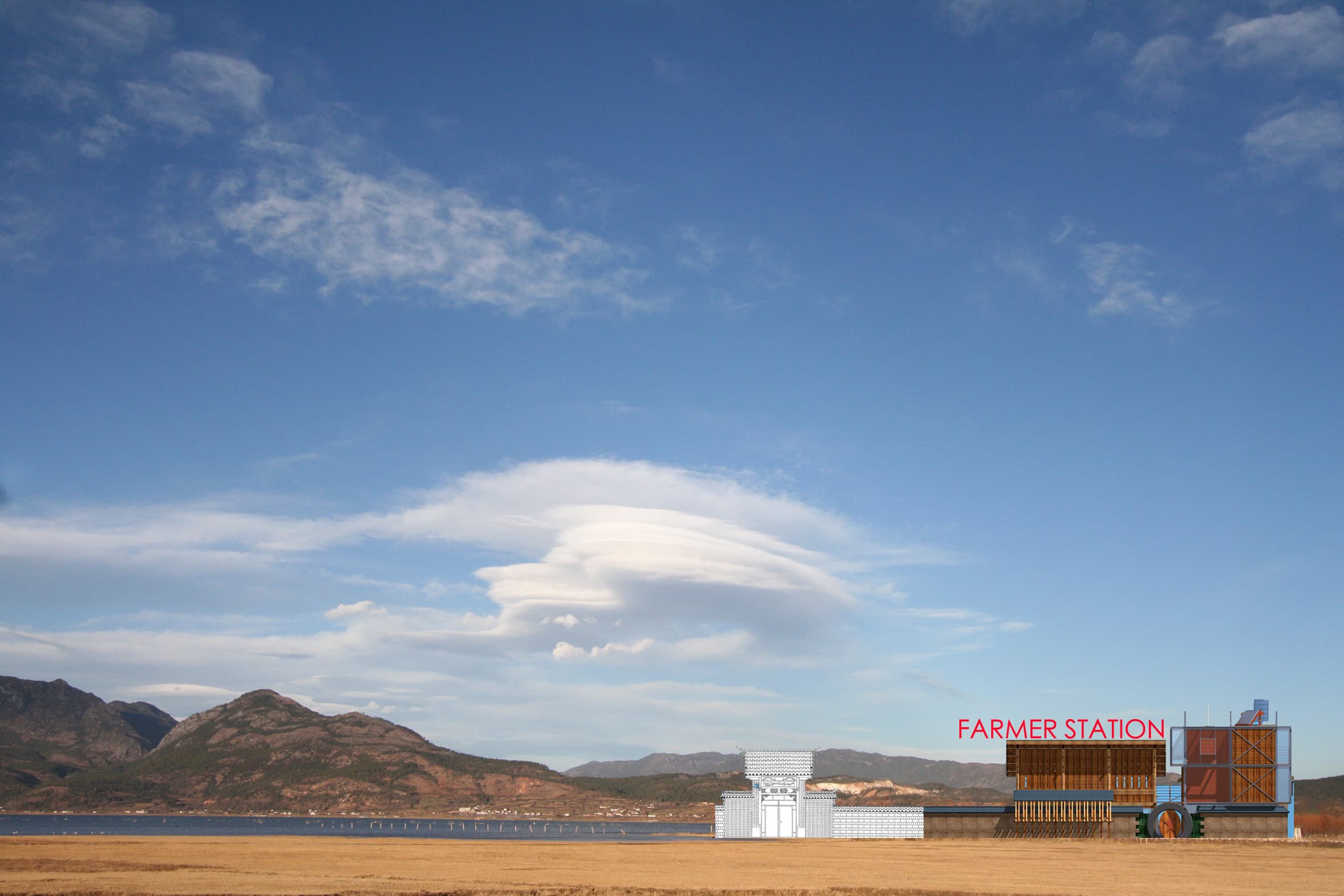
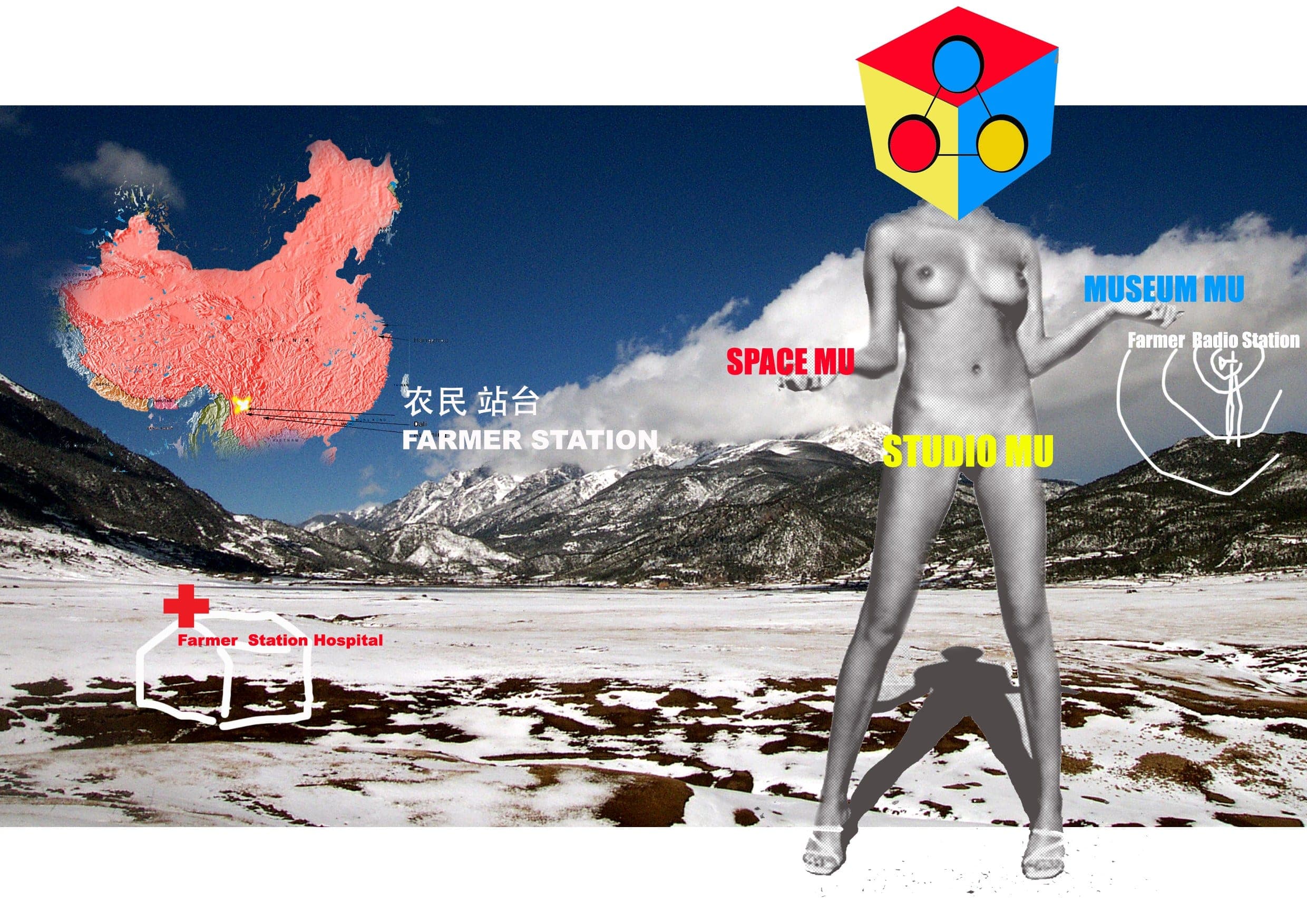
Farmer Station

《农民站台》 · Rural Yunnan, China

The village already knows what the academy is still trying to learn.

01

Experimental Rural Bauhaus

In 2008, Mu Yuming launched 《农民站台》 — Farmer Station — a rural experimental art project built around a precise and ambitious conceptual proposition: the Experimental Rural Bauhaus.

The Bauhaus — founded in Weimar, Germany, in 1919 — proposed that art, craft, and industrial design could be unified through a single educational philosophy: learning by making, integrating technical skill with conceptual thought, abolishing the hierarchy between fine art and applied art. The Bauhaus was an urban project, shaped by European modernity and the industrial city.

Mu Yuming's proposition inverted and relocated it. Rural China — specifically rural Yunnan — already possessed an enormous repository of knowledge, skill, craft tradition, and community organisation that the modern urban world had lost or was losing. The village was not a site of cultural deficit to be corrected by art. It was a site of existing cultural richness that art could enter into relationship with — learning as much as teaching, transforming by being transformed.

02

Becoming Farmer Mu

The Farmer Station project prompted one of Mu Yuming's most significant acts of self-redefinition: the adoption of the art name 丽江农民 — Farmer Mu.

In Chinese contemporary art — which by 2008 had developed a substantial international market, a sophisticated institutional infrastructure, and a class character that distinctly excluded the rural working poor — calling oneself a farmer was a deliberate act of erasure.

Not self-erasure in the sense of disappearance, but the erasure of a particular kind of identity: the art-world professional, the internationally exhibited artist, the residency-holding institution insider. Farmer Mu was a name that made the institutional identity uncomfortable — that insisted on the rural, the folk, the non-institutional as the actual location of creative life.

03

The Practice

Rooted in rural Yunnan, Farmer Station did what its name suggested: it operated at ground level, in the actual conditions of village life, building an art education system that was designed for and with the people who lived there.

The project transformed rural spaces with art — not by importing urban aesthetics into the countryside, but by working with existing materials, existing community structures, and existing cultural knowledge to produce something new. Art education in this context was not the transmission of a set of techniques from an academy to its students. It was a conversation, happening in places where the participants had not asked to become students, about what creativity meant in their own terms.

Farmer Station is an ongoing project. It did not end with the initial intervention of 2008. It continued, evolved, and fed into subsequent work — particularly the ChuangTzu Project (2017–2019), which took many of the same premises and built a more complex institutional structure around them.