The Full Essay
Full Essay
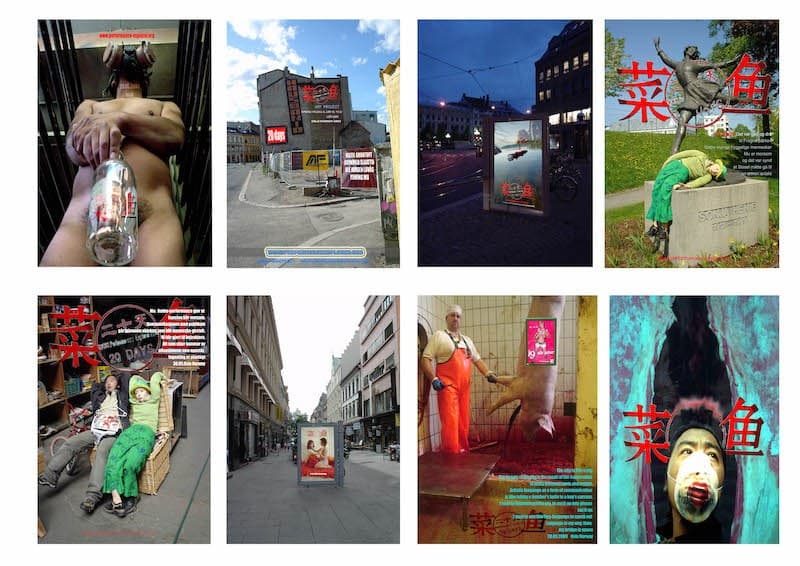
Introduction to the “20 Days · Oslo” Project (2004).
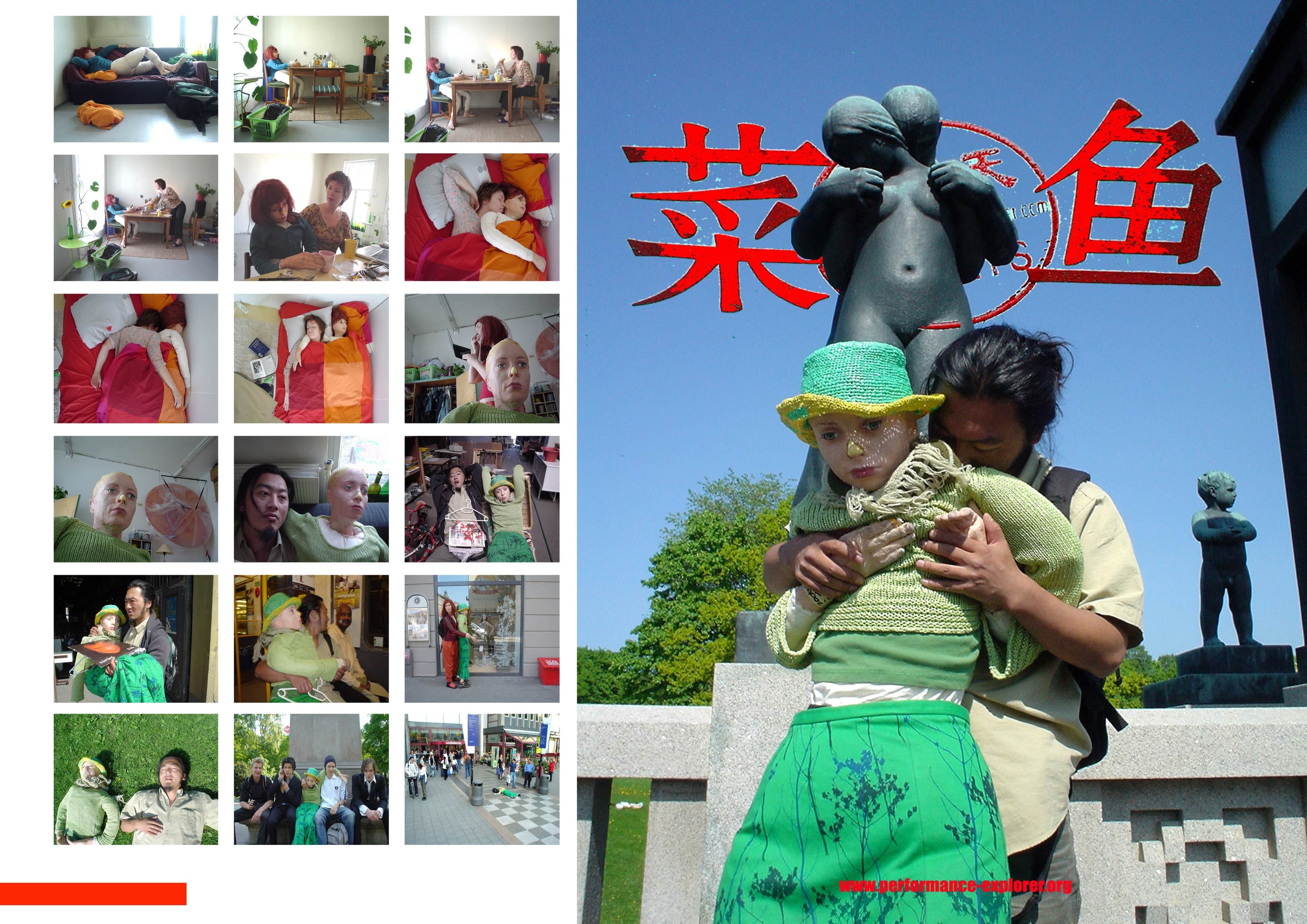
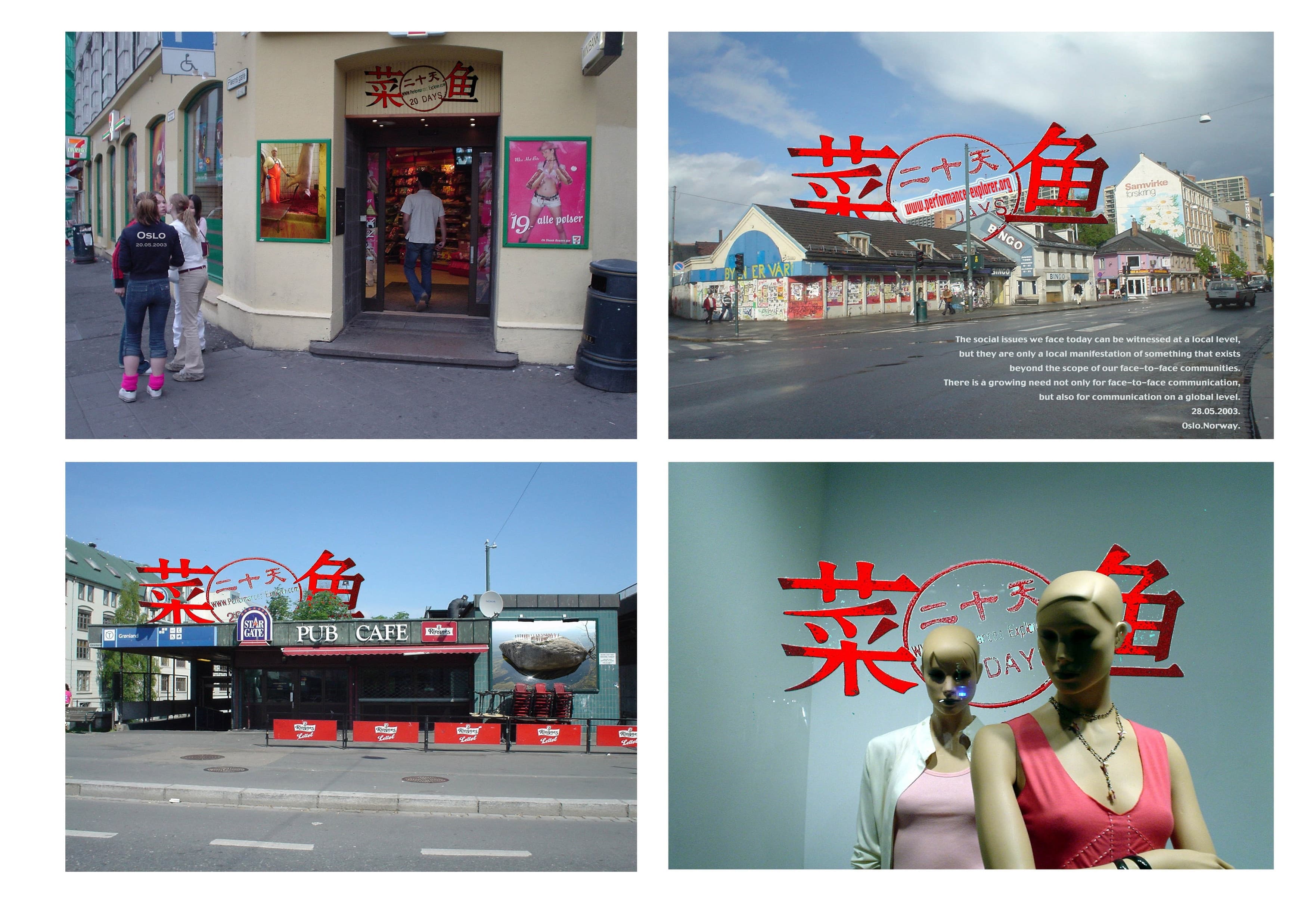
In 2004, “20 Days” moved to Oslo, Norway — the “second hometown” of the artist Mu Yuming. This city had once given him a systematic experimental-art education; to bring the project back here was at once a return and a test.
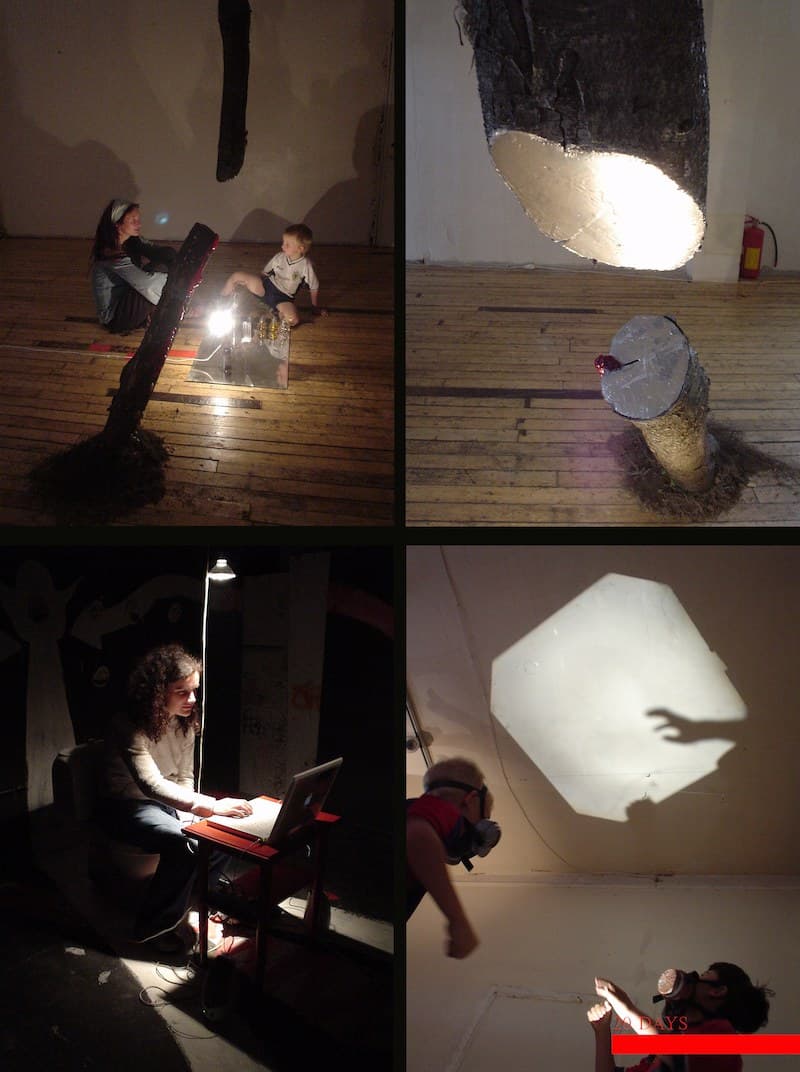
Unlike the street rejection of the Kunming station or the institutional infiltration of the Amsterdam station, the core space of the Oslo station was an abandoned building occupied by anarchists — not a museum, gallery, or government space, but a marginal zone where the institution had completely failed. This building was jointly occupied by anarchists, artists, vagrants, and drug users; it was the “exterior” of the city's official space, an “exceptional state” where law was suspended.
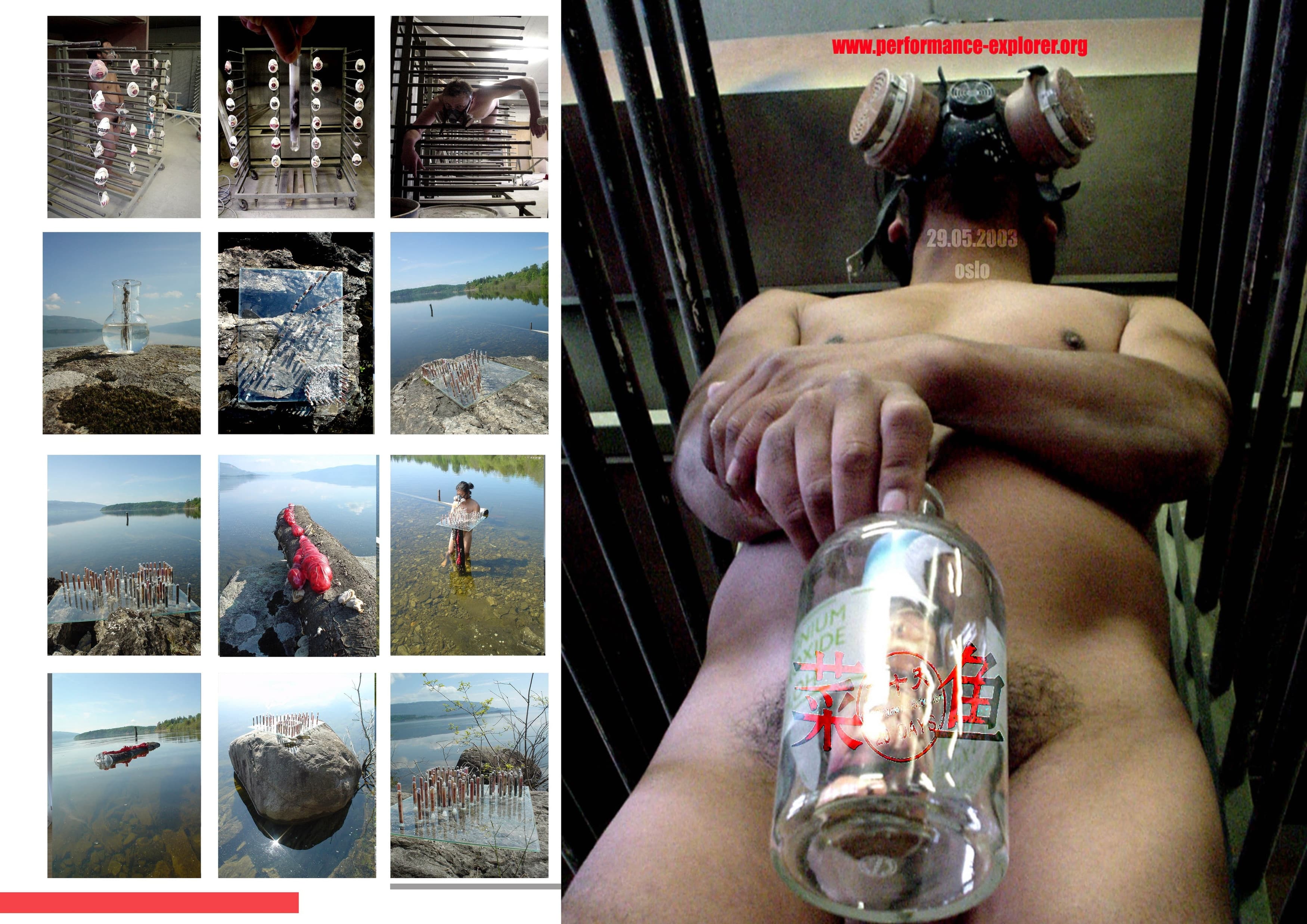
Lao Mu's cooperation was not a contract with an “art space” but living and creating together with the occupiers. Installing works in abandoned rooms, discussing with vagrants in the corridor, planning with anarchists on the roof, witnessing the daily life of drug users in the basement. This “cooperation” was not a preset “community participation” but a shared occupation at the level of survival.
In the middle of the project, the artist built trust through continuous interaction and persuaded the occupiers to provide one floor as an exhibition hall. This was not a “negotiated lease” but a ceding of resources within the marginal group — the occupiers shifted from “co-occupiers” to “space providers.” The acquisition of the hall is a key verification of the “20 Days” methodology: when art is sincerely presented, even the marginal community most rejecting of the institution will spontaneously provide it with a soil for survival. What the occupiers provided was not only physical space but a kind of recognition — inside a building that rejected all institutional logic, “art” was temporarily accepted as “part of us.”
Examined from a philosophical dimension, Giorgio Agamben, in “Homo Sacer,” reveals: sovereign power defines “political life” by excluding “bare life” (homo sacer). The abandoned building is precisely the “camp” of the contemporary city — not a concentration camp but an everyday space where law is suspended, where vagrants and drug users are the homo sacer “who may be excluded without constituting a crime.” Lao Mu's artistic practice is not to “care for” these homo sacer but to become homo sacer together with them — by actively rejecting the institution, funding, and legal space, the artist places himself in the same structural position as the vagrants and drug users. This is not the ethical posture of “sympathy” but the ontological posture of “being excluded together.”
The philosophical significance of ceding the hall is thereby highlighted: the occupiers' provision of the hall is a mutual recognition among homo sacer — not the institution's recognition of art but a temporary contract among the excluded. This “recognition” is more radical than the certification of any museum or gallery, because it occurs in a zone where law has completely failed.
Zero-budget operation here was not only a principle but a reality. The anarchists rejected the logic of capital, the vagrants had no money, the drug users' economy was underground exchange. Yet this marginal community, inspired, participated spontaneously, providing an abandoned corner as a “studio,” sharing food, protecting the artist's safety, and finally ceding one floor as an exhibition hall. This phenomenon of “spending no money yet obtaining everything” verified the hypothesis of “creativity as the driving force of social self-organization” in Beuys's idea of “social sculpture” — but not within the warm framework of a “community,” rather in the violent reality of an abandoned building.
The Oslo station provided “20 Days” with the framework of “the margin as method”: not “entering the community” but occupying the margin together with the marginal group; not “caring for the vulnerable” but acknowledging one's own vulnerability; not “art intervening in society” but society intervening in art — the real violence of the abandoned building forced art to abandon its aesthetic presuppositions. What mattered most was not “finding space” but persuading the excluded to cede space — the acquisition of the hall was the result of relationship-building, not its premise.