The Full Essay
Full Essay
On Christmas Eve 1995, a Naxi youth from Lijiang landed in Oslo. He had just undergone the most dramatic turn of his life: from the Yunnan plateau to Scandinavia, from a descendant of Dongba priests to a stranger in a foreign land, from the youth who had decided on suicide to an art pilgrim — and at this moment, Norway was sinking into its darkest winter.
In December in Northern Europe, daylight is compressed to less than six hours, and after a long “blue hour” it plunges swiftly into pitch dark. This darkness is full of weight — oppressive yet gestating, isolating yet focusing.
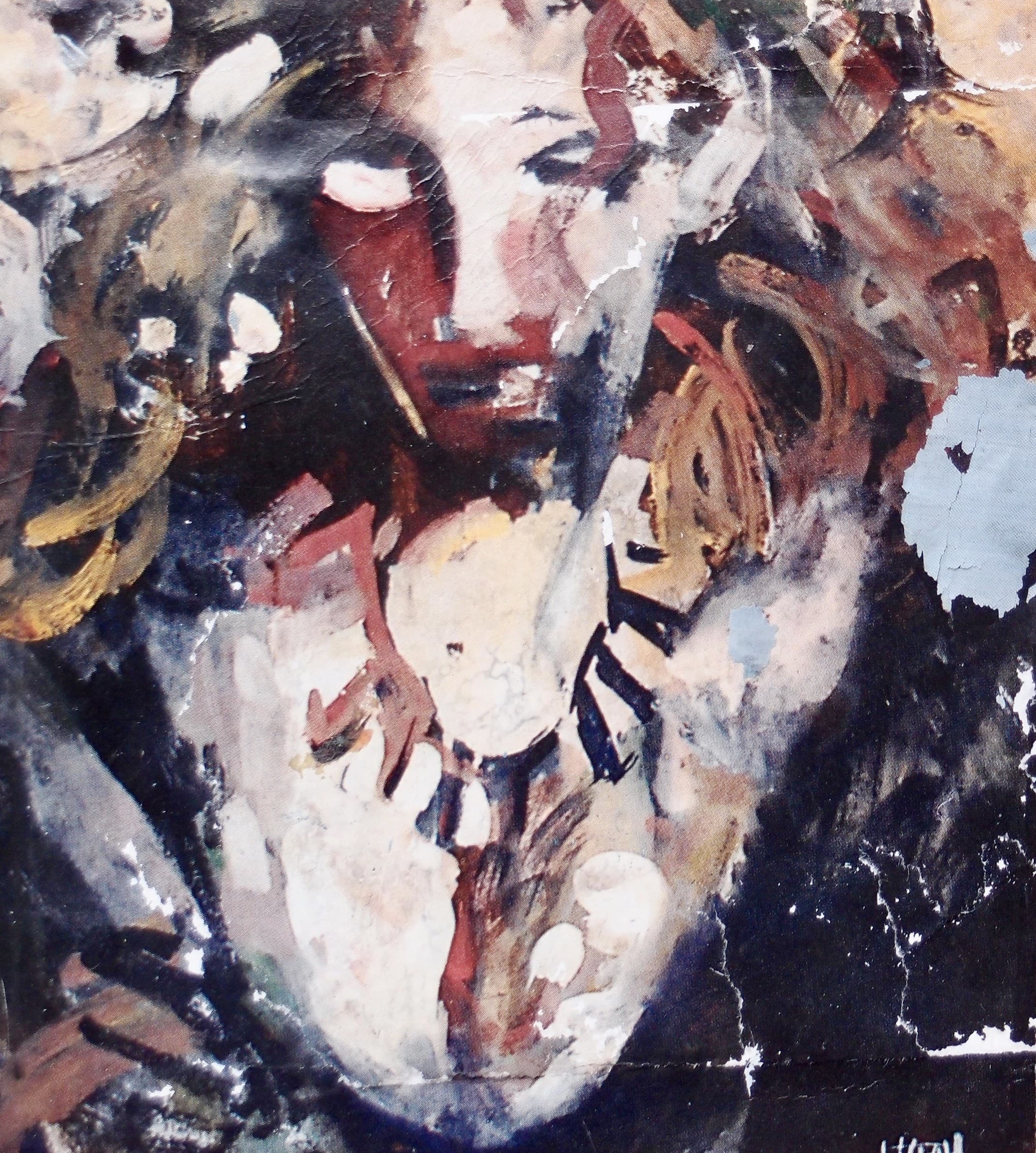
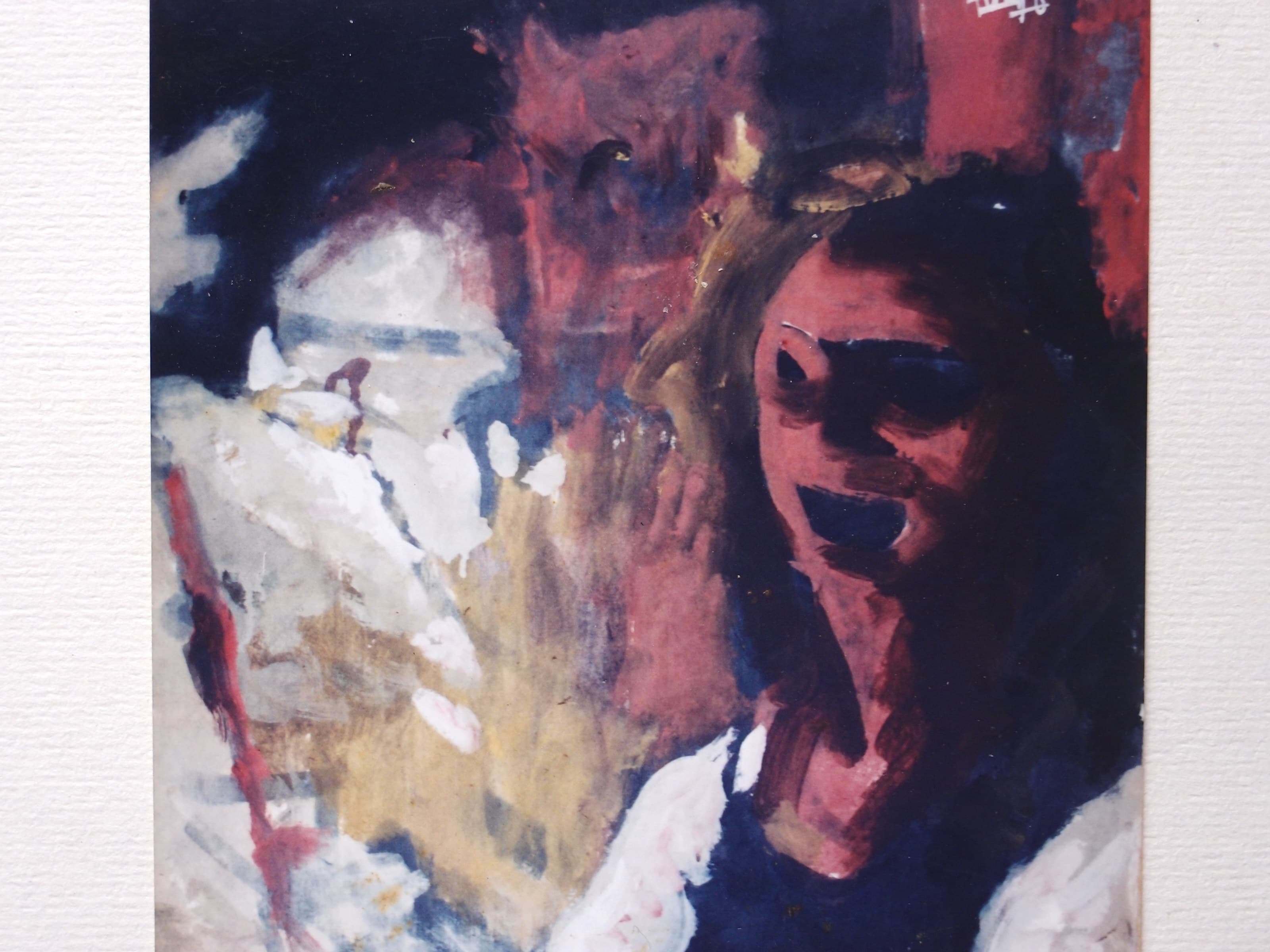
The work is grounded on Goryeo paper, dense in texture and extremely absorbent. The artist takes ink as his language yet breaks through traditional lightness and elegance. In the picture, deep blue and dark red strongly clash; black is the subject, not the background — it devours, envelops, and at the same time gestates faces emerging from the darkness. The brushwork is coarse and hurried, carrying expressionist tension — this is Munch's spiritual homeland, and also the direct externalization of inner turbulence.
That year, the artist met and united with Ida. Ida is the concrete embodiment of the Western world, and also the first anchor of his turn from “solitary pilgrimage” to “the practice of relation.” In the Naxi creation epic “Chongbantu,” Chongren-Li'en passes through ninety-nine ordeals and, under the guidance of the heavenly gods, unites with a celestial maiden and propagates humankind. The artist's migration is not a replica of the myth, but the spiritual structure is astonishingly similar: leaving the homeland, passing through darkness, uniting with another people, beginning a new race — here it is not biological propagation but a hybrid creation at the level of civilization.
From this year on, the artist entered the Oslo National Academy of Fine Arts, studying performance art, video art, and installation art, exploring Western culture in every dimension. These two ink works are the starting point of it all. The blurred faces in the pictures resemble both Ida and himself — under the oppression of the polar night, identity dissolves and boundaries grow chaotic. The fibers of the Goryeo paper absorb too much water and pigment, forming uncontrollable bleeding — precisely the true state of two civilizations meeting: not a clear splicing but a seeping fusion.
The Norwegian winter is cold, yet also warm. Two bodies confirm each other in the darkness; two civilizations illuminate each other in collision. This is the contemporary continuation of the Chongren-Li'en spirit: with openness and courage, creating new possibilities within the heterogeneous.