The Full Essay
Project Essay
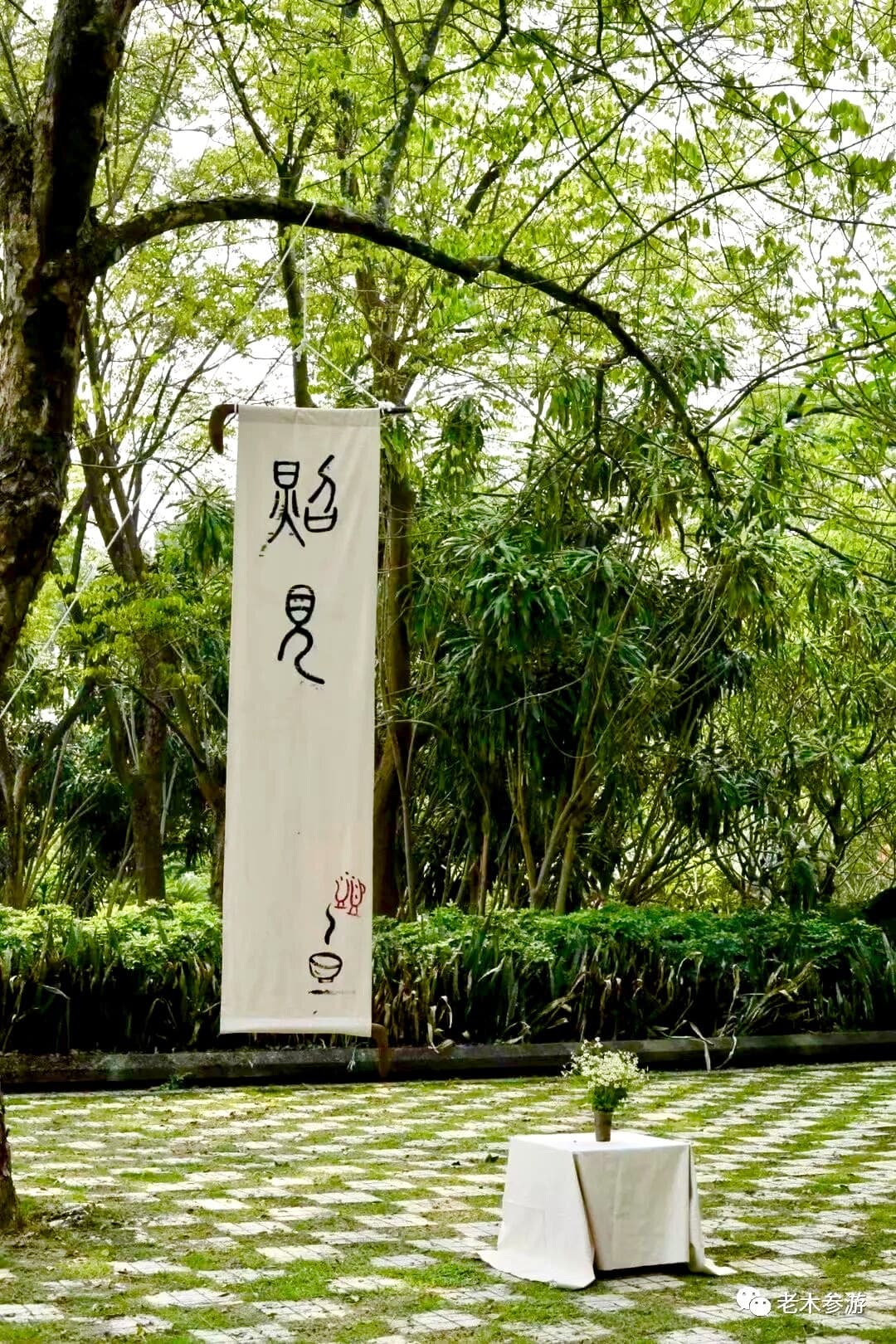
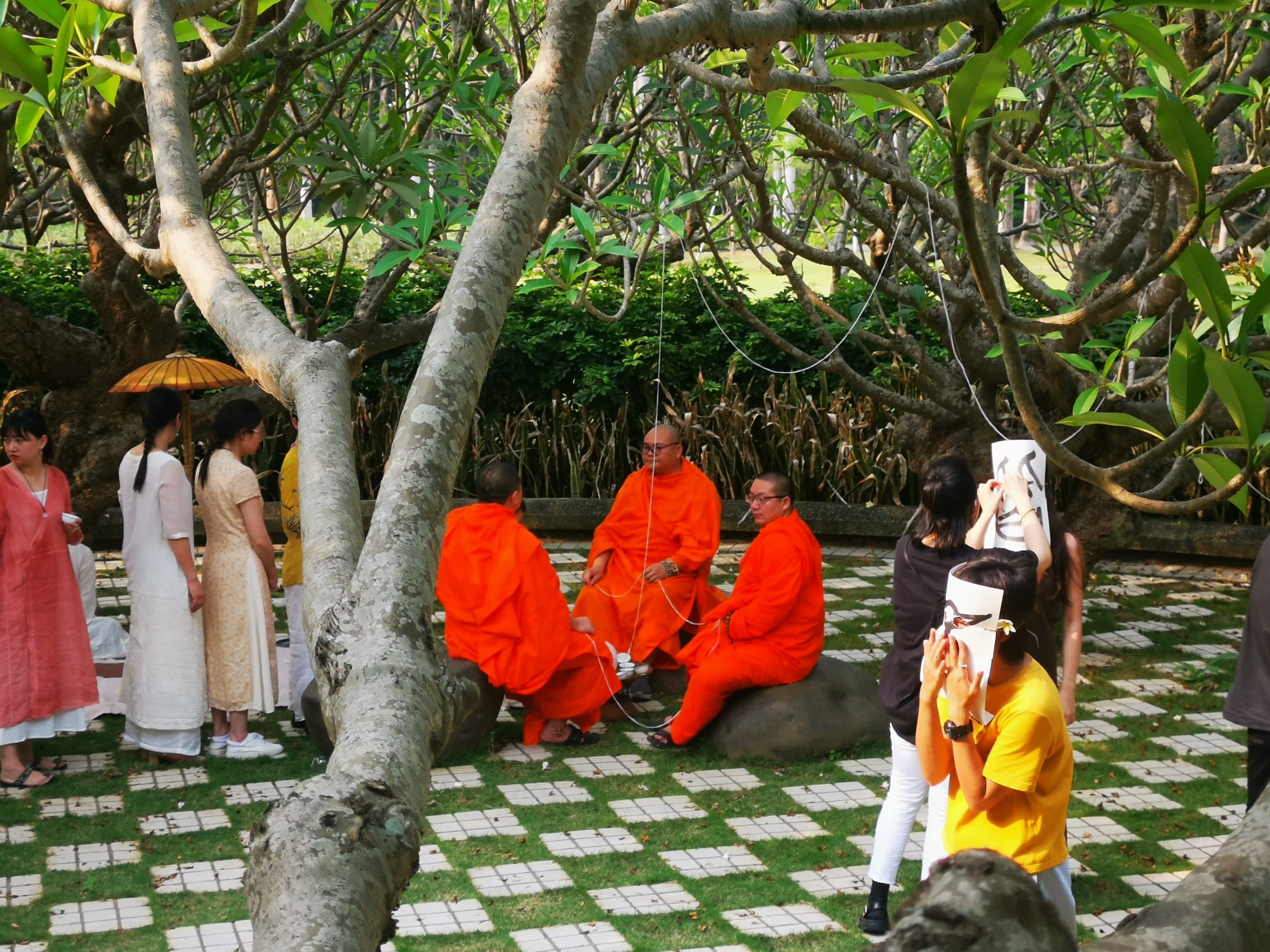
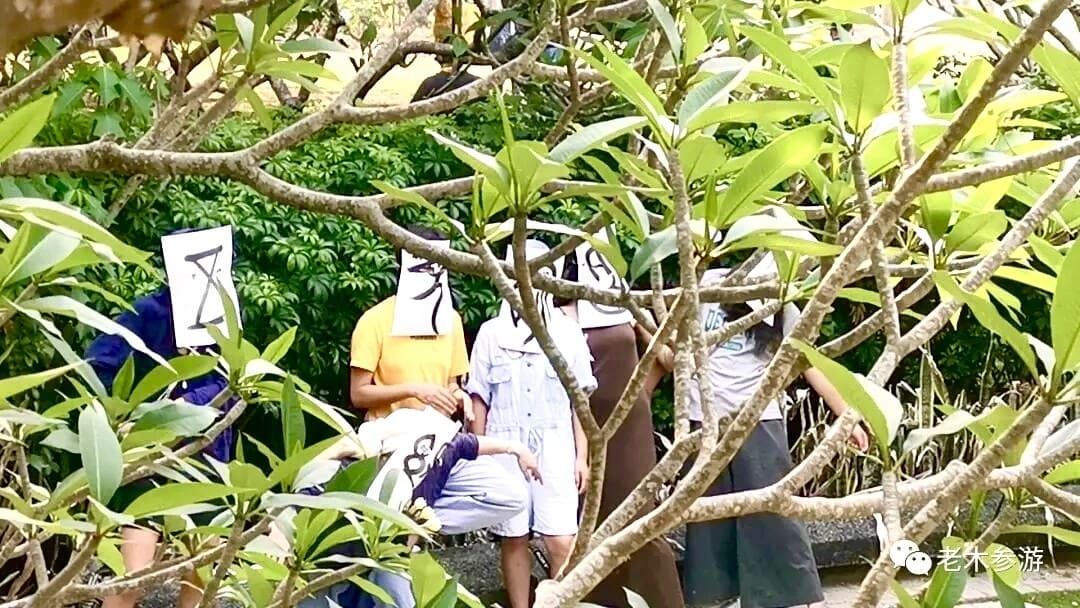
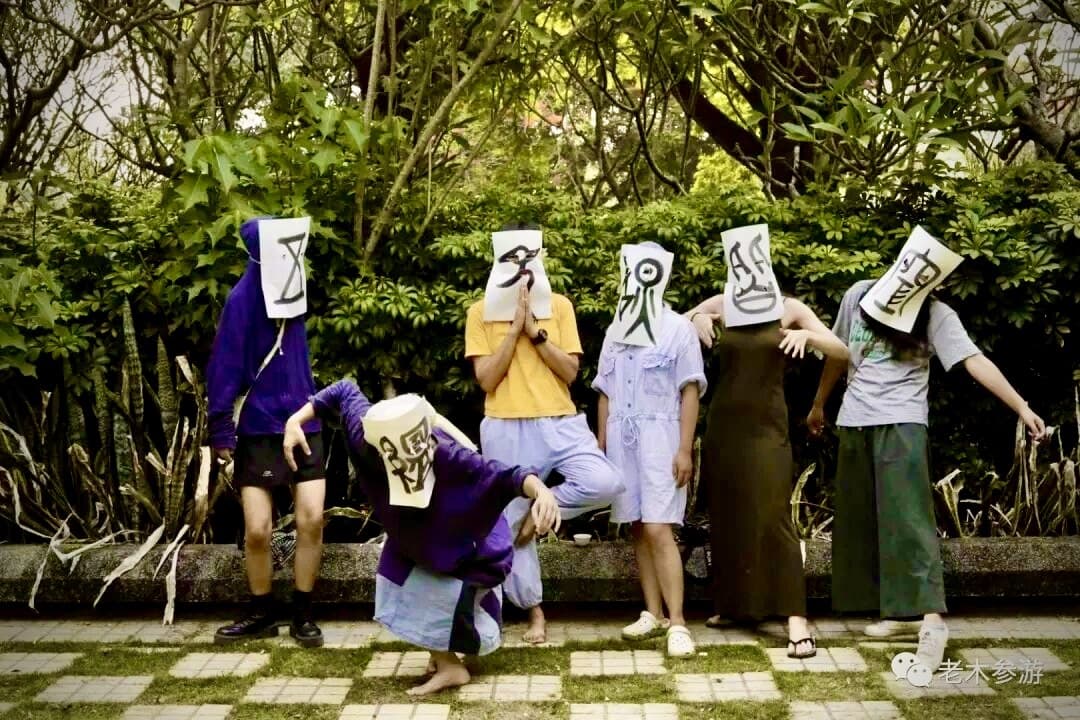
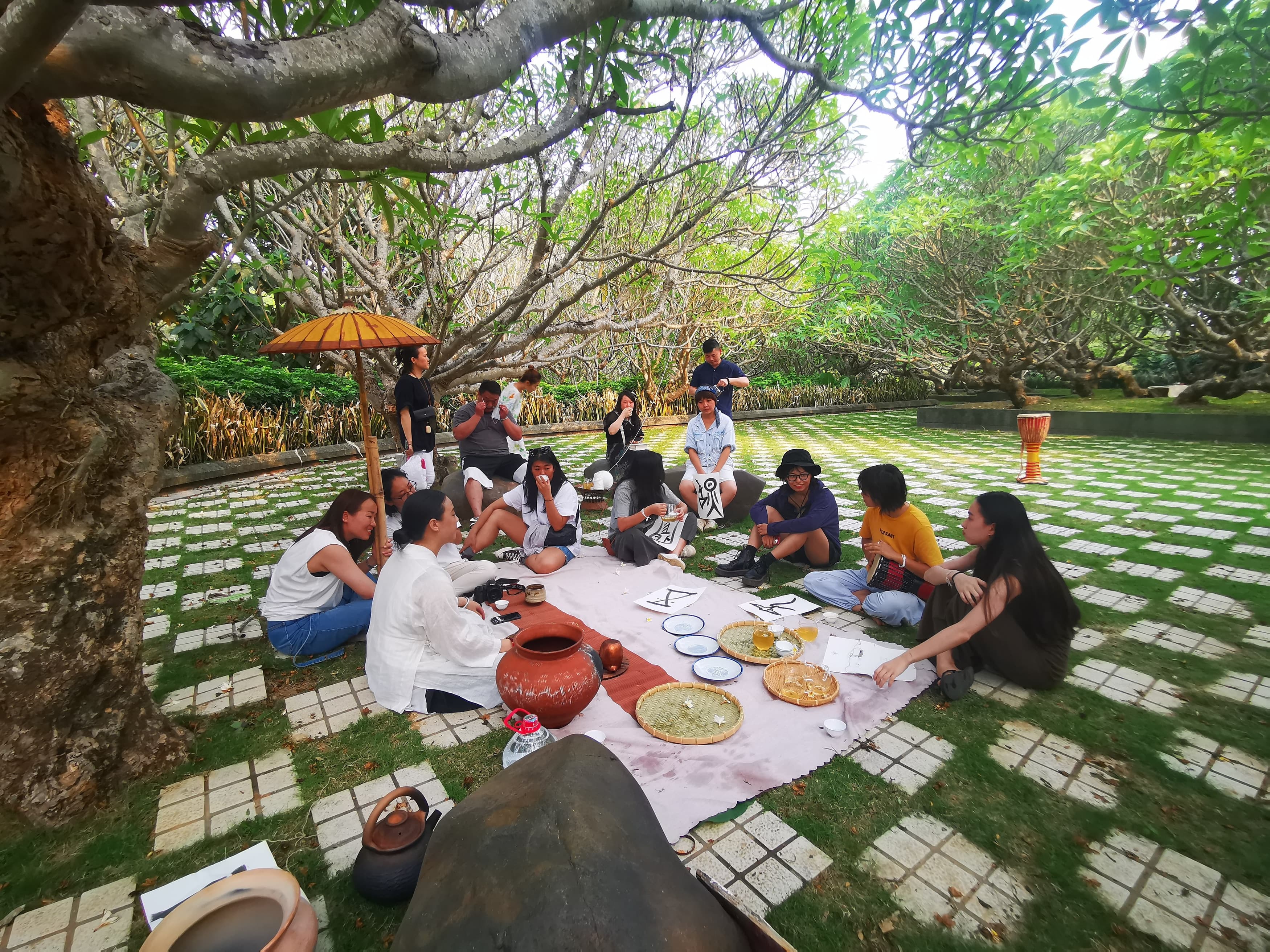
In January 2021, the artist Mu Yuming initiated “Zhaojian · Gathering” in Jinghong, Xishuangbanna. Using pu'er tea as medium, masks as method, and ink as language, he engaged in deep interaction with the public. Participants wore masks bearing seal-script characters written on site by the artist, and “beheld” themselves between the fragrance of tea and the colour of ink.
The word “beholding” (照见) comes from the Heart Sutra's line “beholding the emptiness of the five aggregates”. This is not “seeing” in the visual sense, but the direct penetration of prajñā wisdom — bypassing conceptual mediation to reach the essence of being. The artist names the work after this, suggesting that the gaze beneath the mask turns not outward but inward. The mask is at once concealment and revelation; at once a suspension of identity and the developing-out of truth. Here lies an Eastern variant of Lacan's “mirror stage”: the infant sees a complete self in the mirror and produces a misrecognition; the adult sees incomplete seal-script symbols in the mask and produces a true recognition — because the mask never promises completeness, only the fragmented truth.
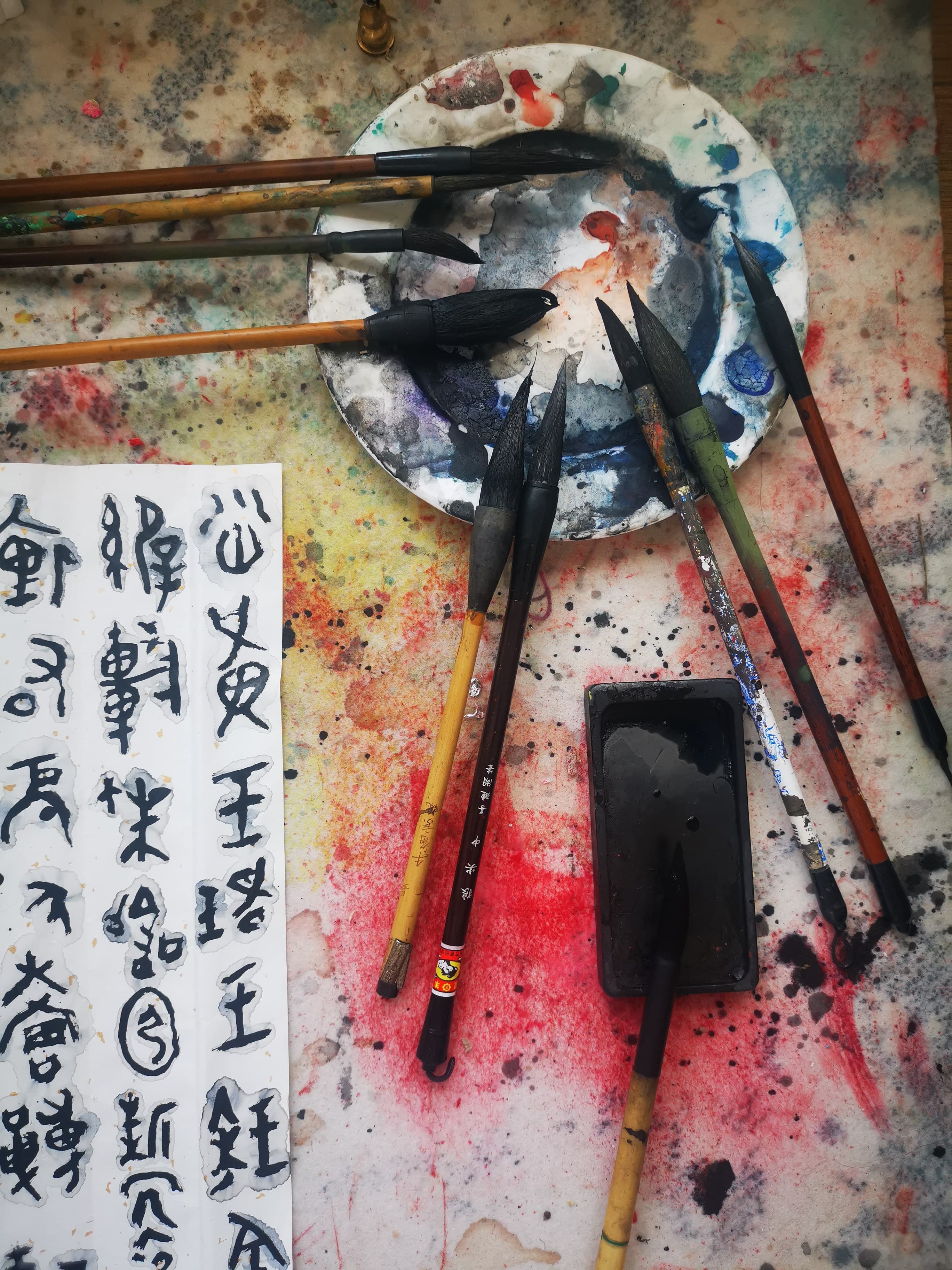
Seal script (篆书), an ancient form predating the Qin unification of writing, has a defamiliarising effect that dissolves the inertia of daily cognition. When Heidegger said “language is the house of being”, seal script — as a “forgotten language” — banishes the participant from “the house of daily language”, forcing them to encounter themselves again amid unfamiliar symbols. The seal script on the mask is not a text to be read but a thing-in-itself to be gazed upon — the less recognisable the character, the more it beholds the “I” behind the character.
The post-fermentation of pu'er makes it “the tea of time”. Unlike the “kiln-fixed” character of rock tea, pu'er continues to transform in storage: the older, the mellower. When Walter Benjamin spoke of “aura”, he pointed out that the value of a traditional artwork lies in the irreplicable “here and now”. Pu'er's fermentation process is the materialisation of “aura” — every leaf carries irreplicable information about a particular time and place. “Zhaojian · Gathering” uses pu'er as medium, suggesting that the self is also like pu'er: not fixed in an instant, but slowly developing in time. Xishuangbanna's pu'er travelled the Tea-Horse Road to the frontier and never provoked war — only peace. It is “the non-war tea”, and forms a Benjaminian “dialectical image” with the “war genes” of Xiamen rock tea — history flashes up in the juxtaposition of the two teas.
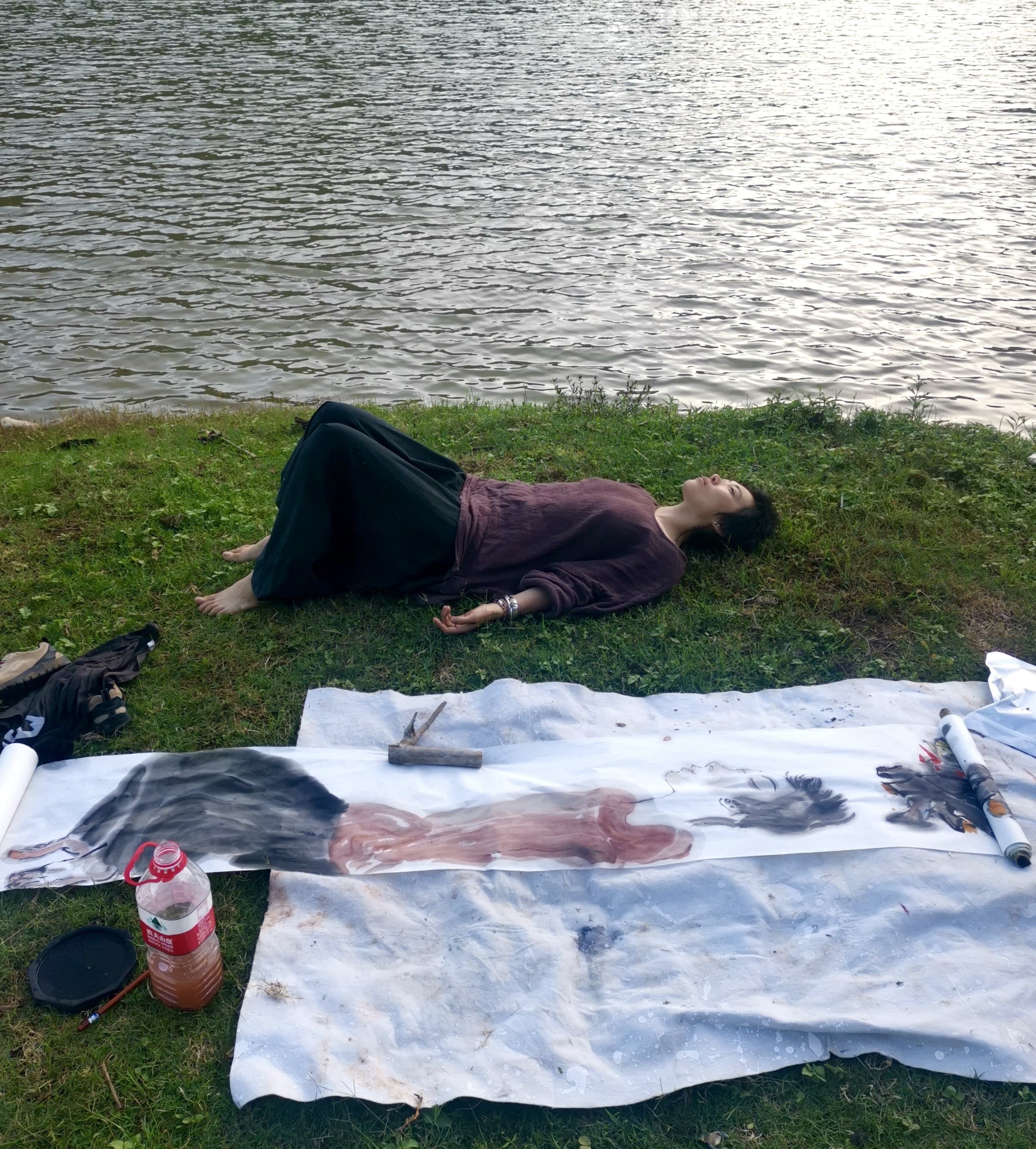
The unalterable nature of ink (once the brush touches, it is set) and the irreversible nature of pu'er (once fermented, it is set) form a homology. “Beholding” is a one-off — it cannot be repeated, cannot be corrected. When Adorno said “art is negation”, he emphasised that true art refuses to be assimilated into sameness. The contingency of ink, the uncontrollability of pu'er, and the concealment of the mask together form a triple negation of “instrumental reason” — here there is no standard answer, only the private experience each person tastes.
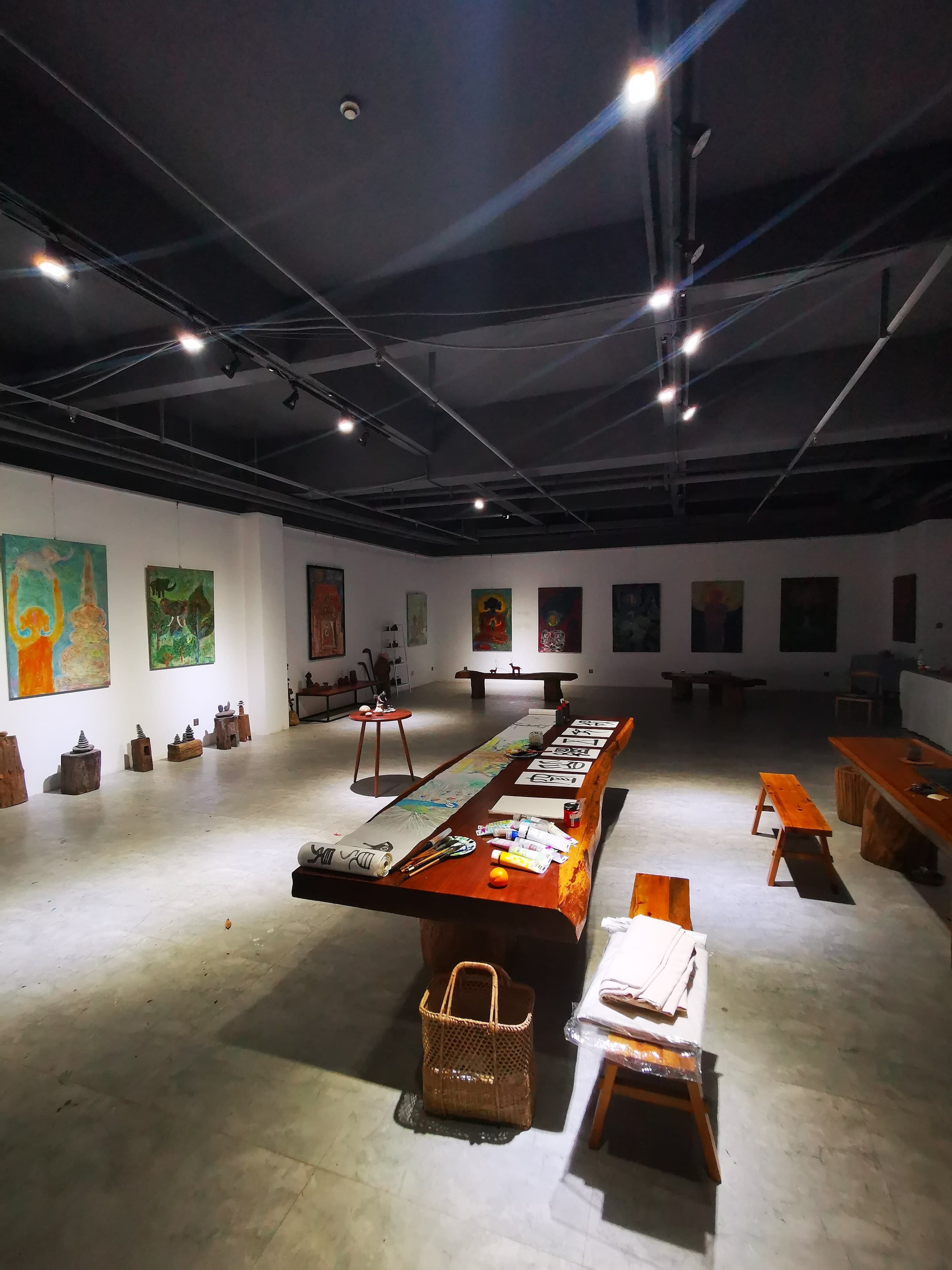
“Zhaojian · Gathering” is the inward dimension of the “Tea Dana” project, and the public practice of an “archaeology of the mask”. Participants wearing the masks are potential members of the “Five Hundred Arhats” — every “beholder” is an “ordinary person in the midst of awakening”, and their mask will be entered into a future “arhat archive”. In 2021, with the two gatherings of “beholding” (inward) and “exchange” (outward), the artist completed a full circuit from self to other, confirming the double directedness of Martin Buber's “I–Thou” relation: a person needs both the solitude of “beholding” the self, and the encounter with the other in “exchange”.