The Full Essay
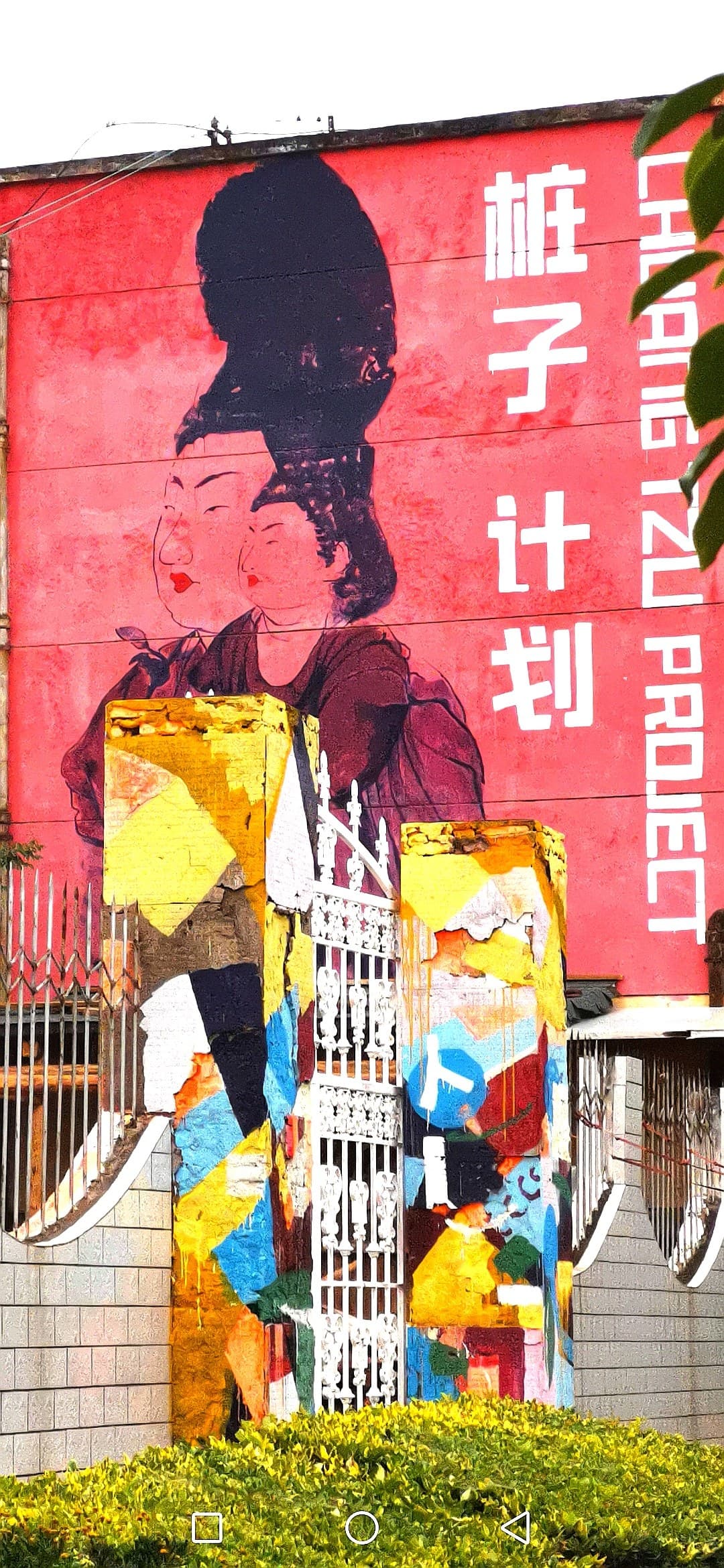
Zhuangzi Project / Chuang Tzu Project
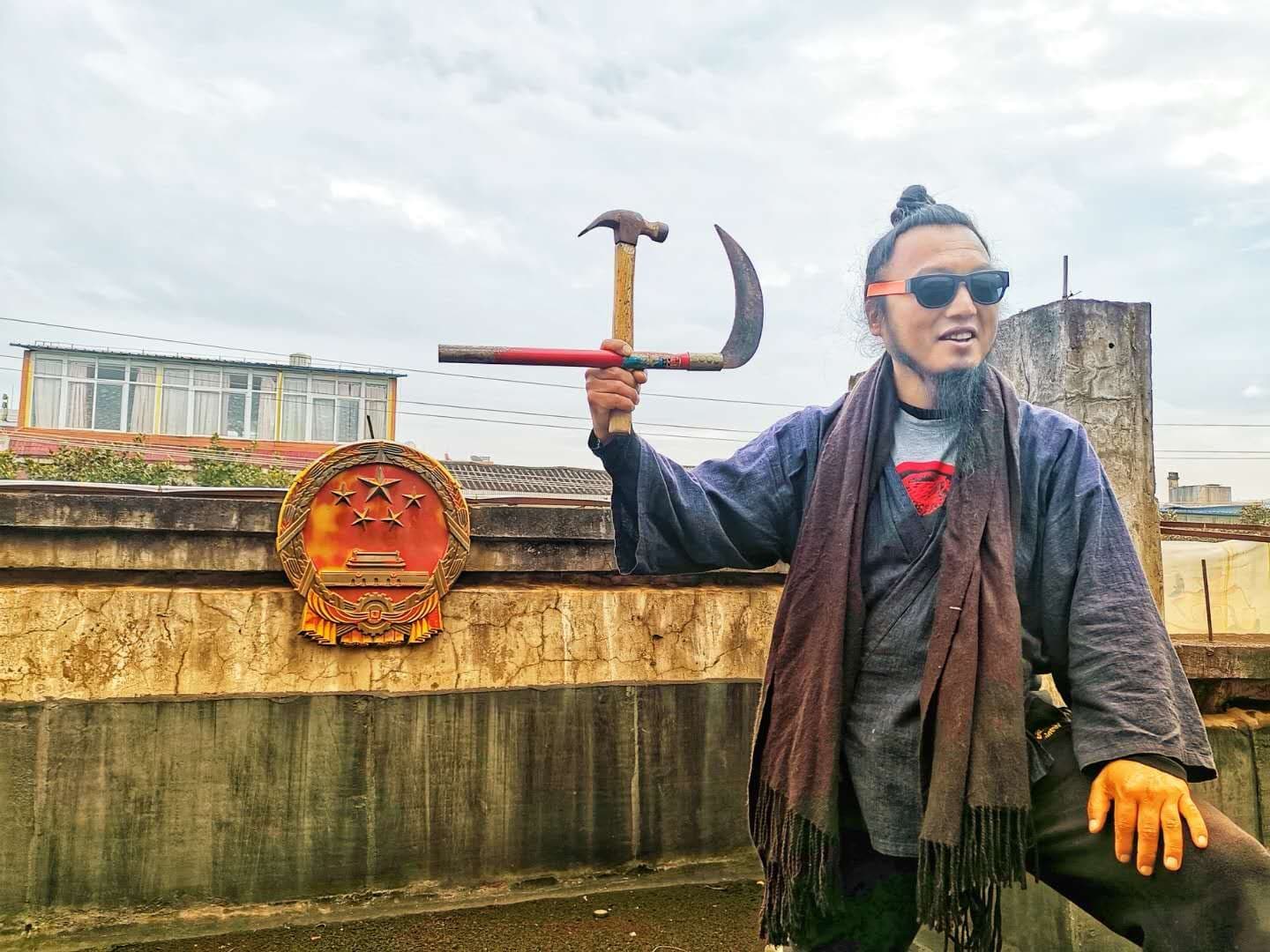
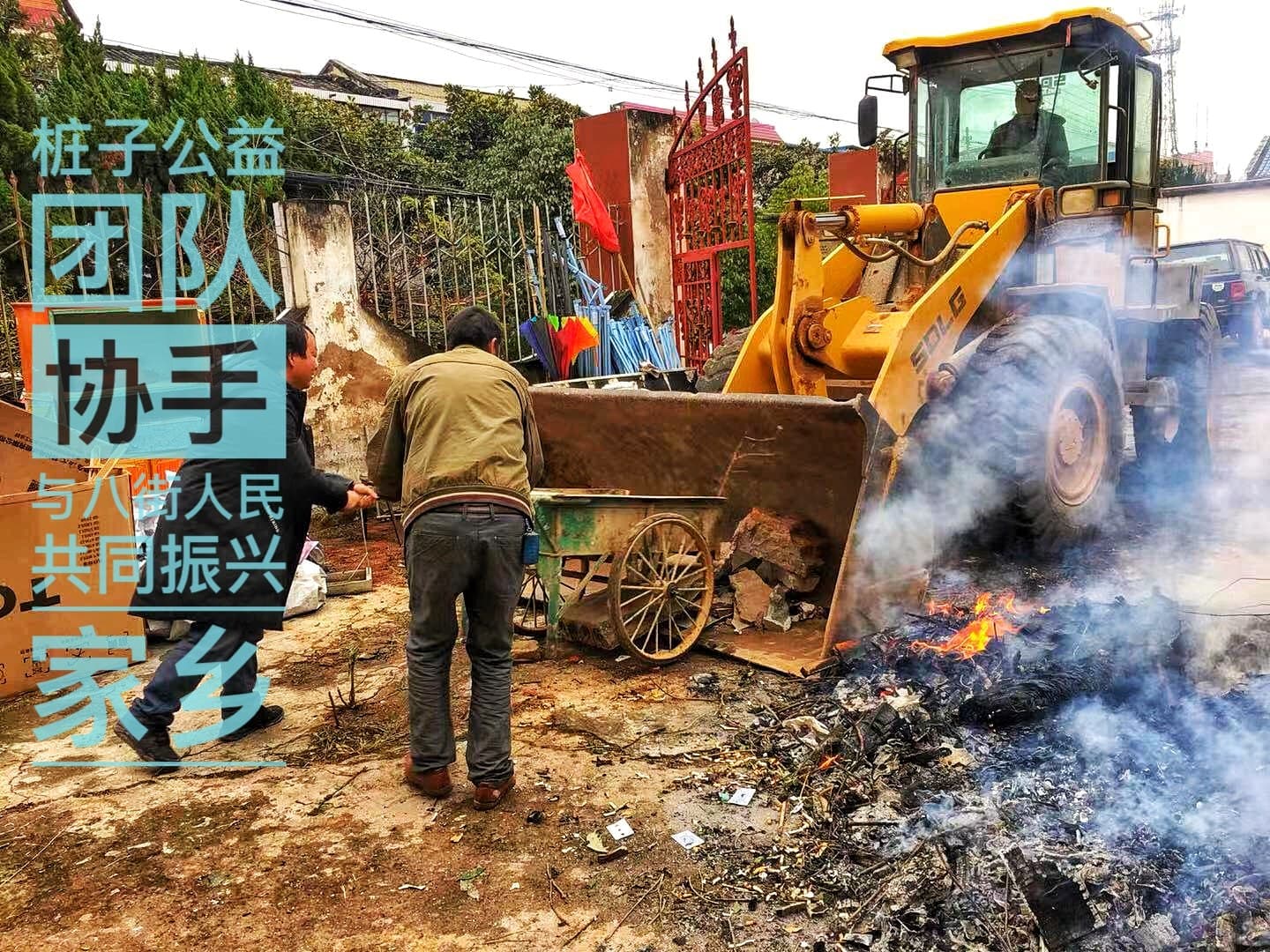
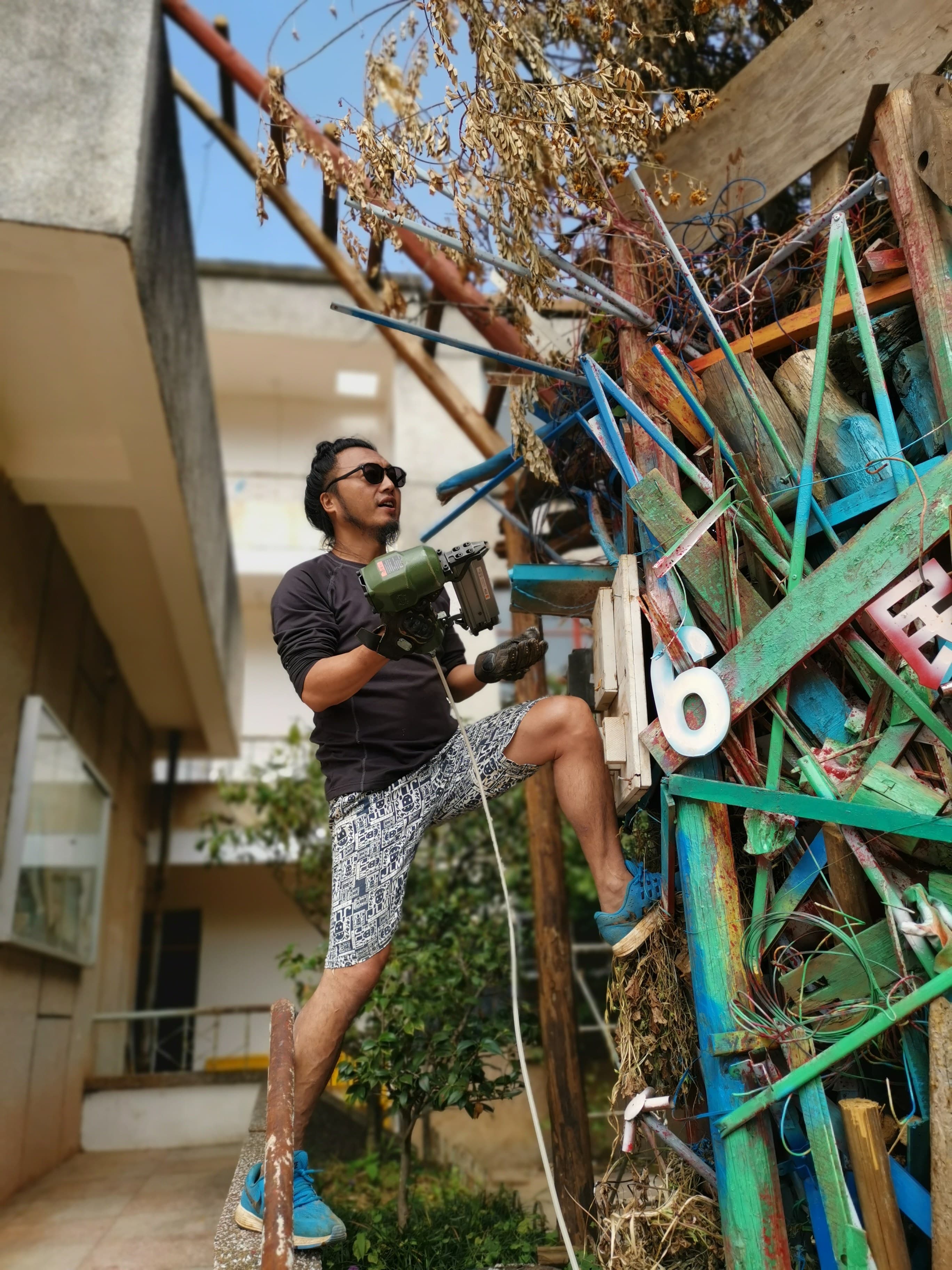
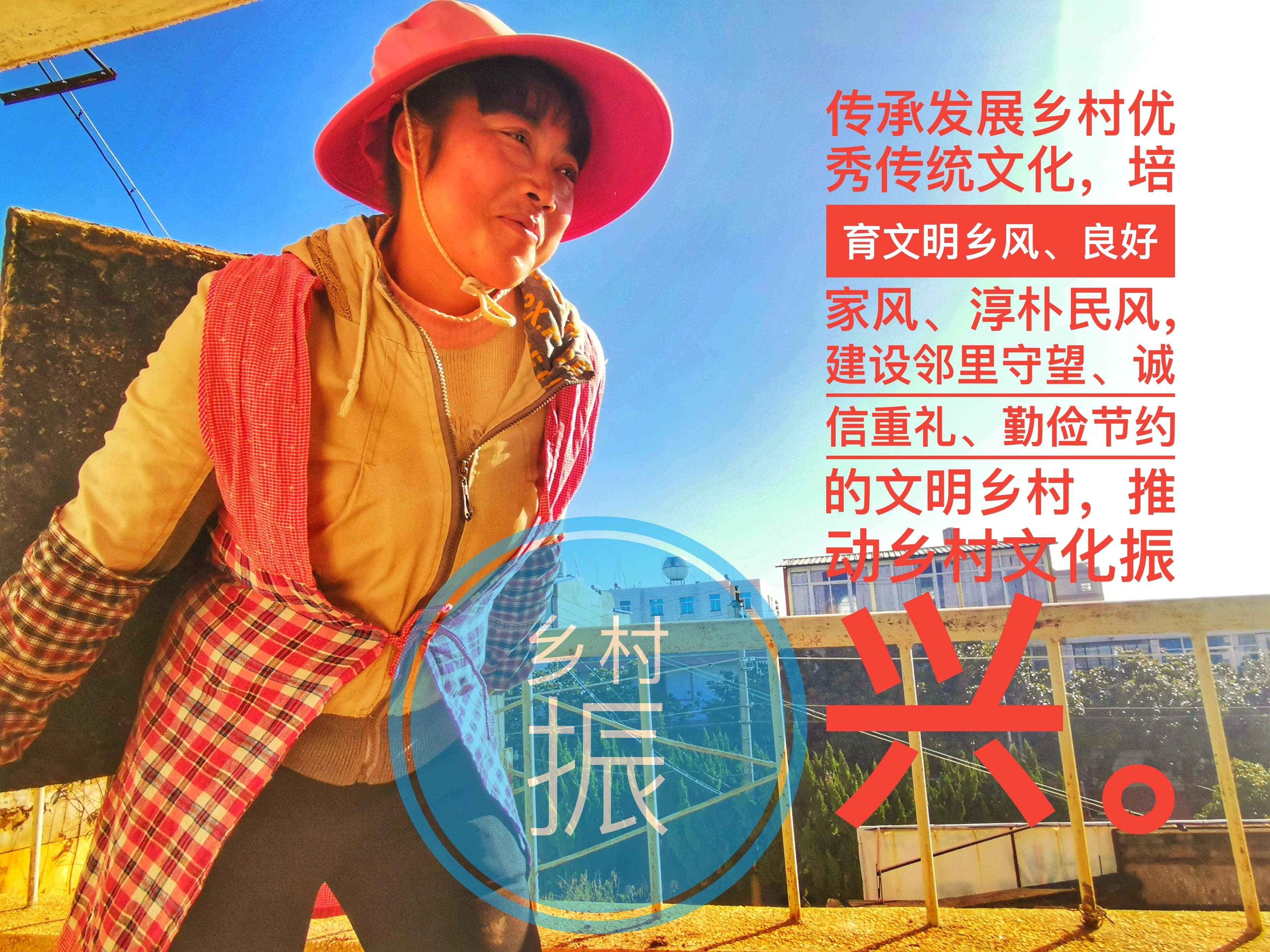
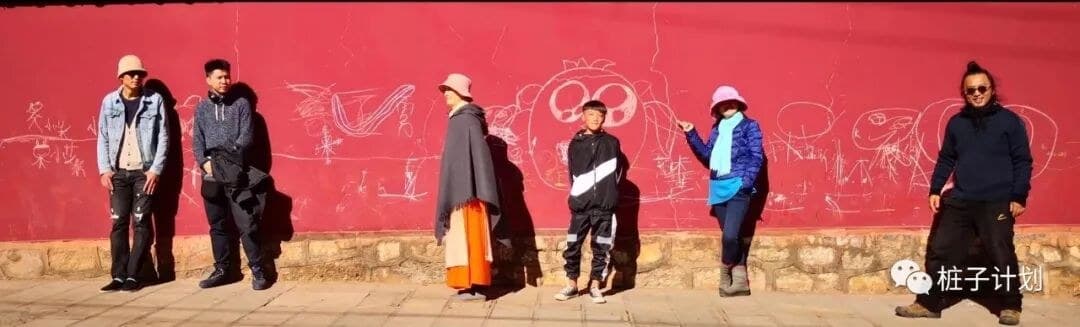
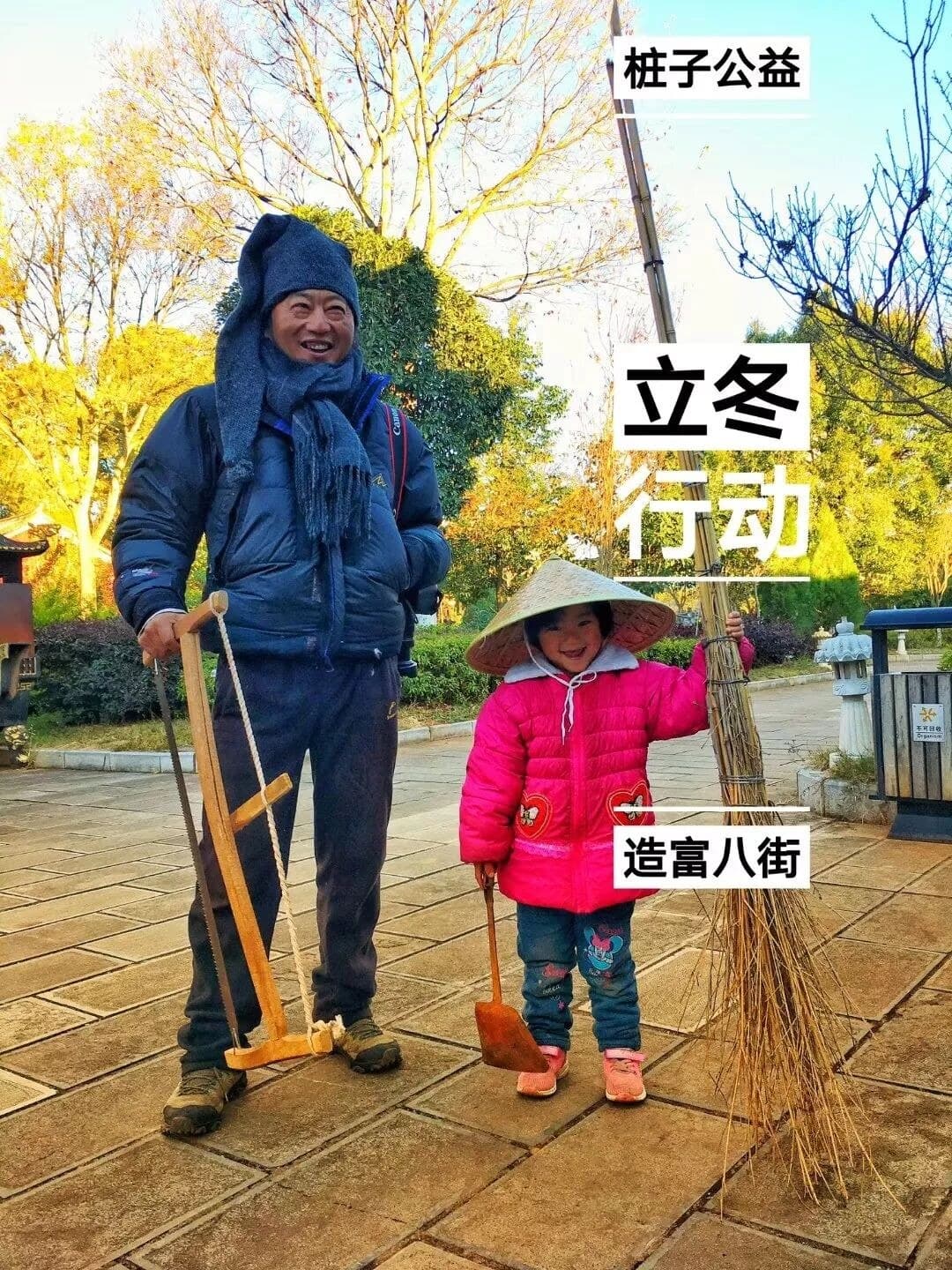
The Zhuangzi Project is a public-art experiment initiated and carried out by the conceptual artist “Zhuangzi” (Mu Yuming). The project takes art-as-public-good as its point of entry, with “serving the people” as its core. Rooted in the vast countryside of China and immersed in folk life, it actively participates in and supports the country's “Rural Revitalisation Programme”. It builds a cross-national multimedia online exchange platform, unites people of insight and experts from around the world, and forms an interdisciplinary, cross-class, cross-national, cross-ethnic team of volunteers, drawing on the wisdom and methods of ancient Chinese traditional culture and the experience of the West, so as to discuss and practise the many possibilities of humanity's future art while jointly exploring and discovering humanity's future ideal ways of life.
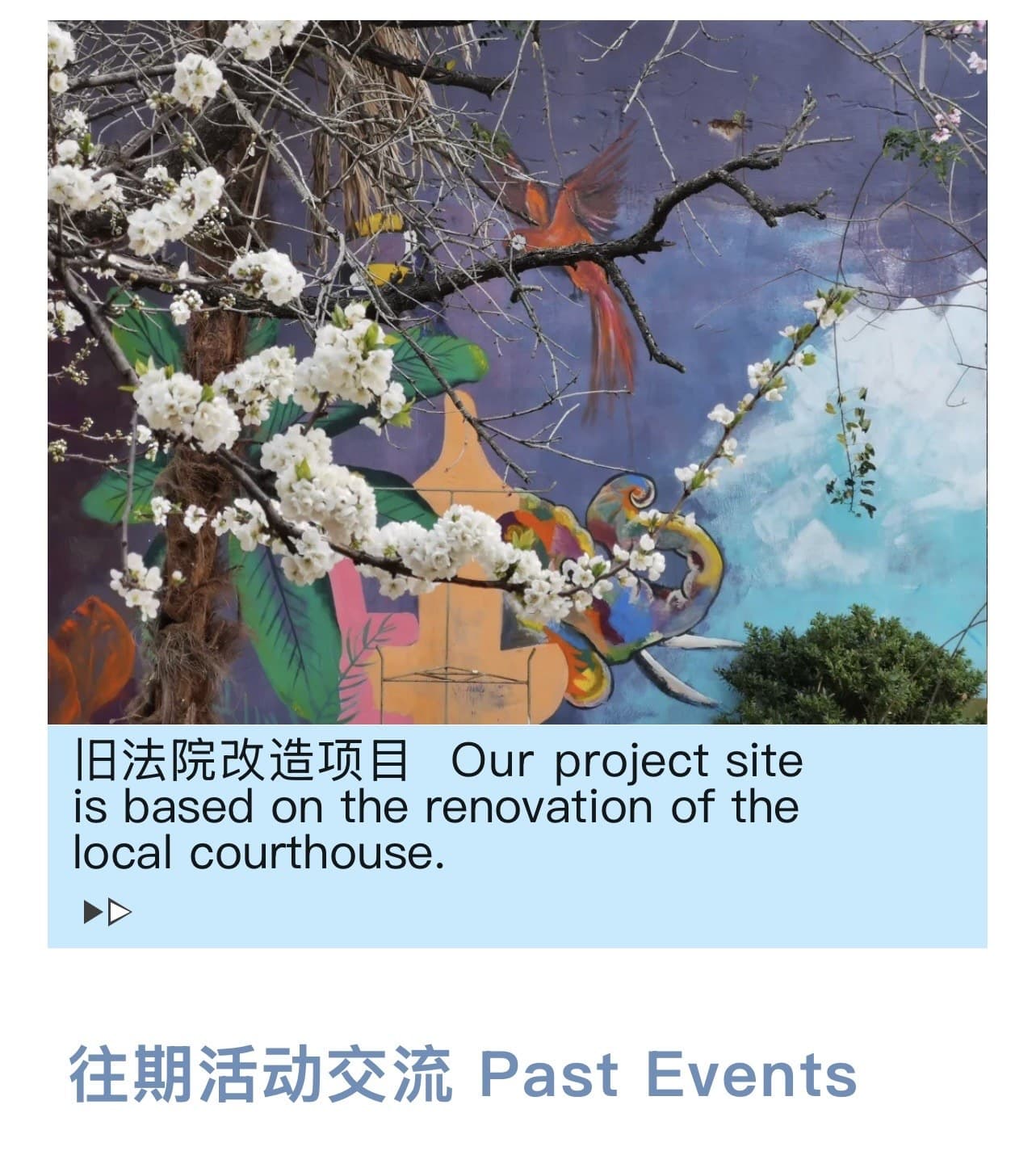
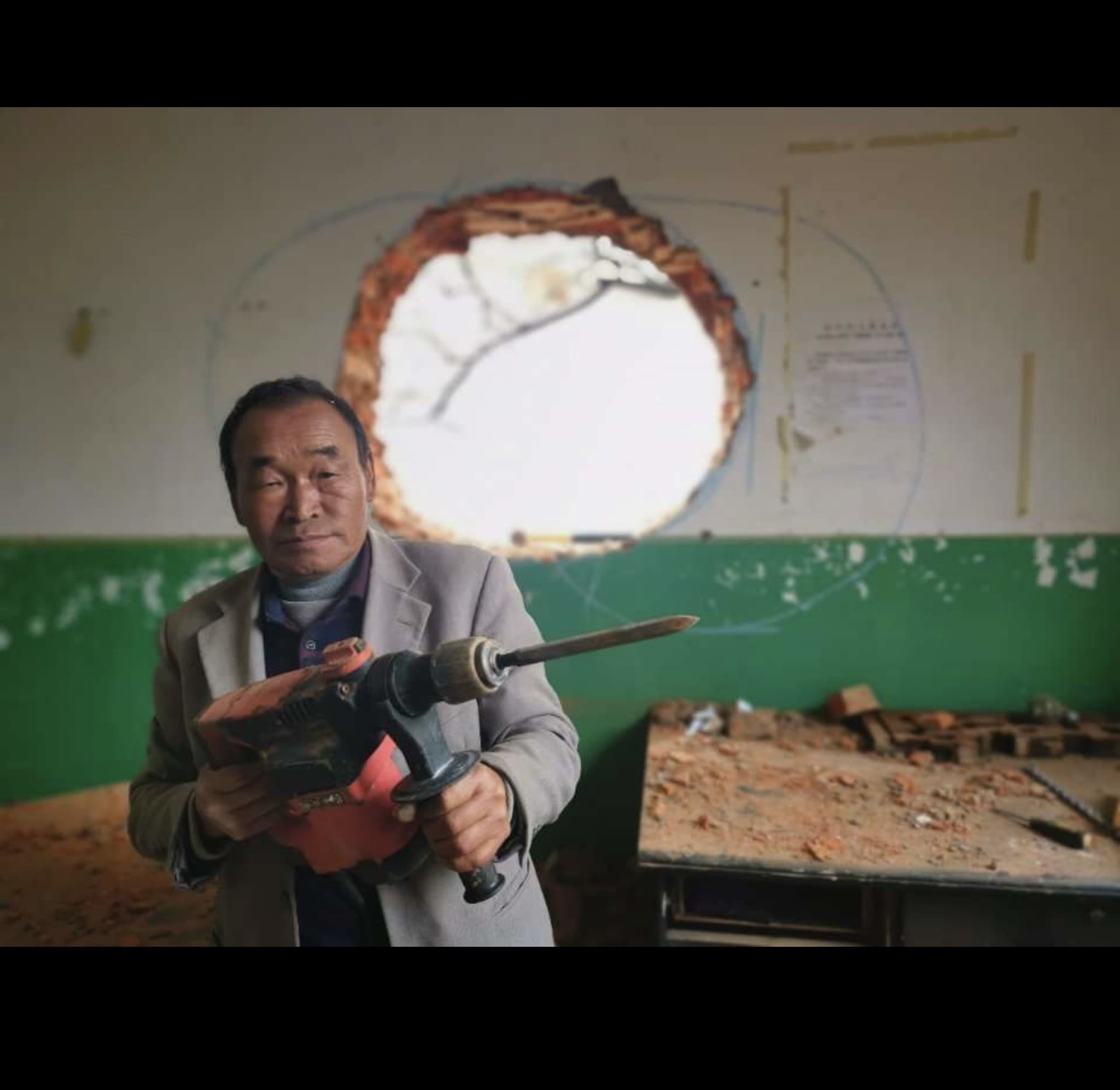
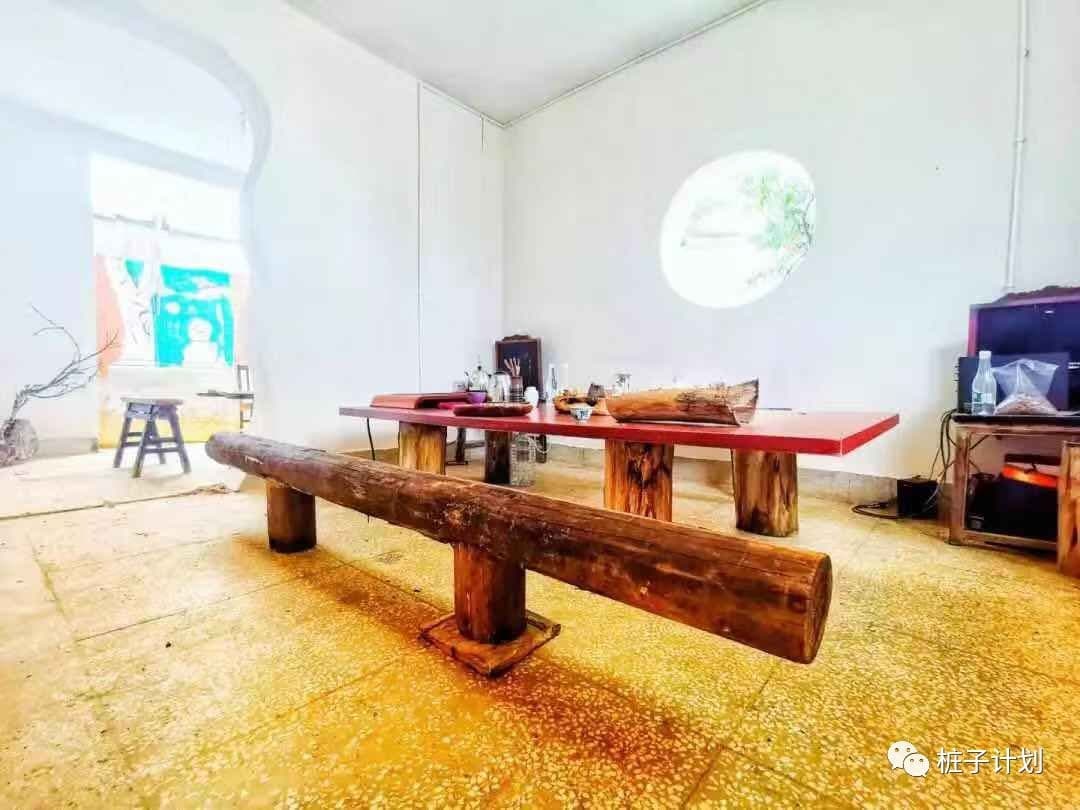
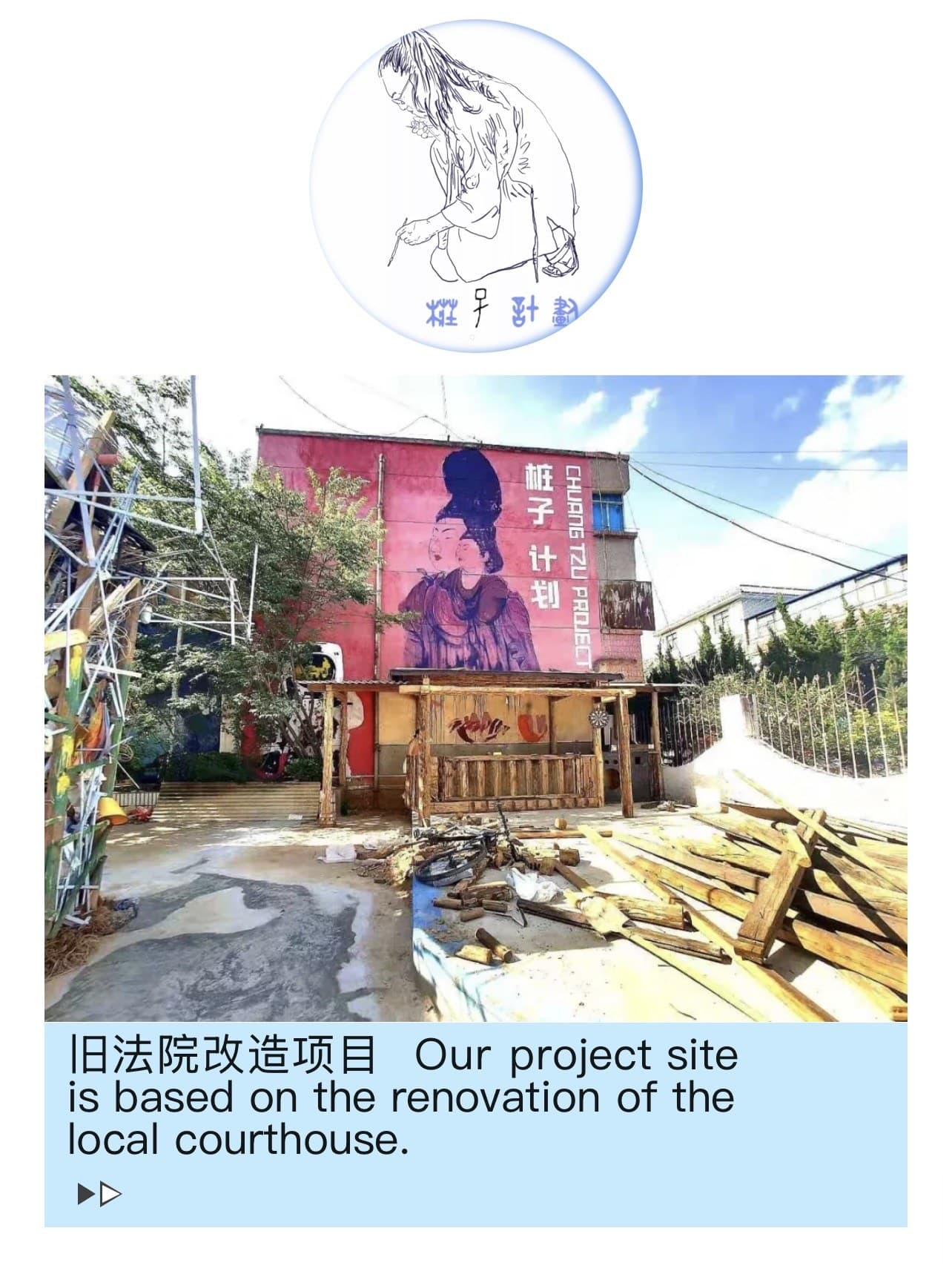
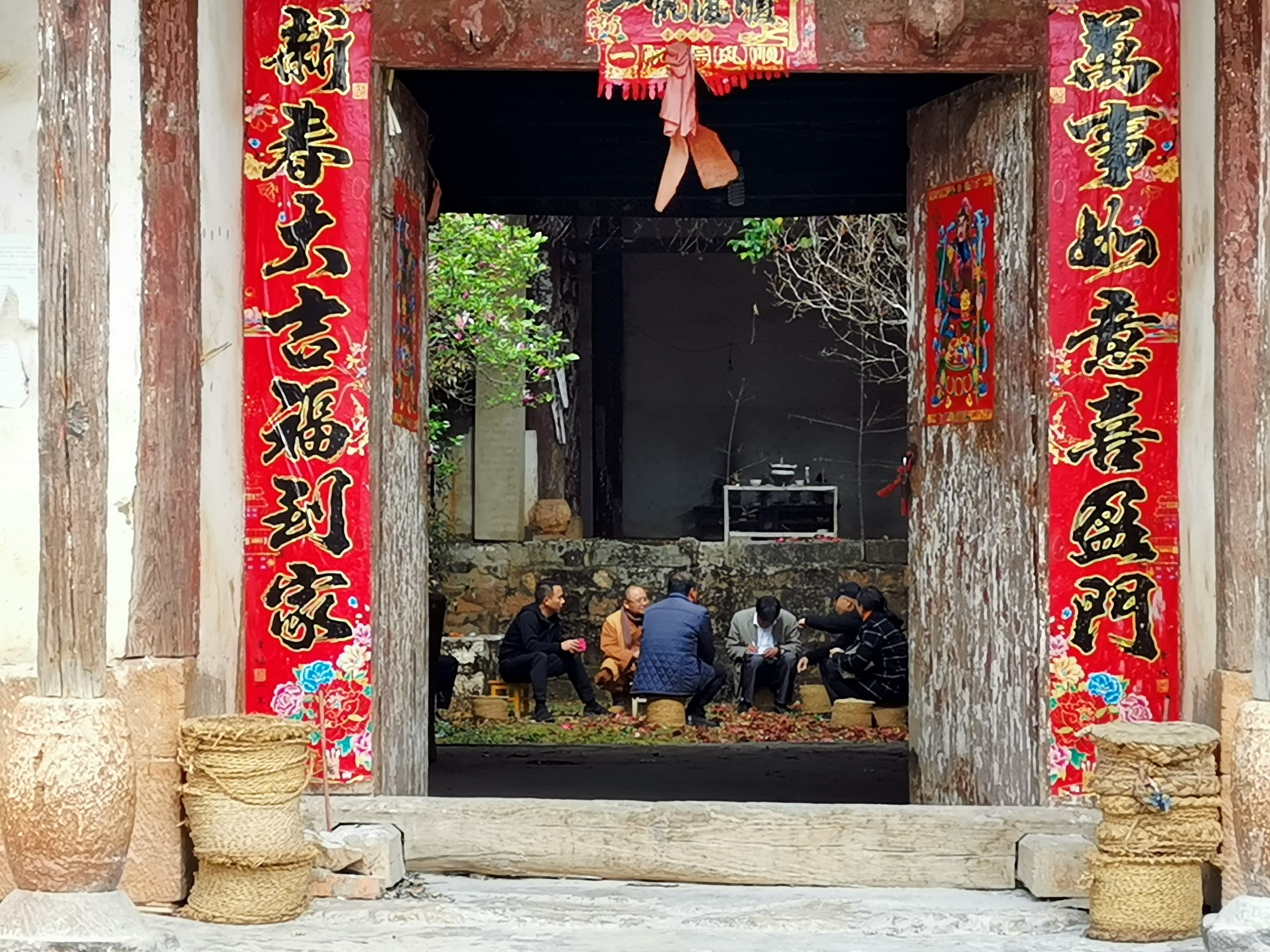
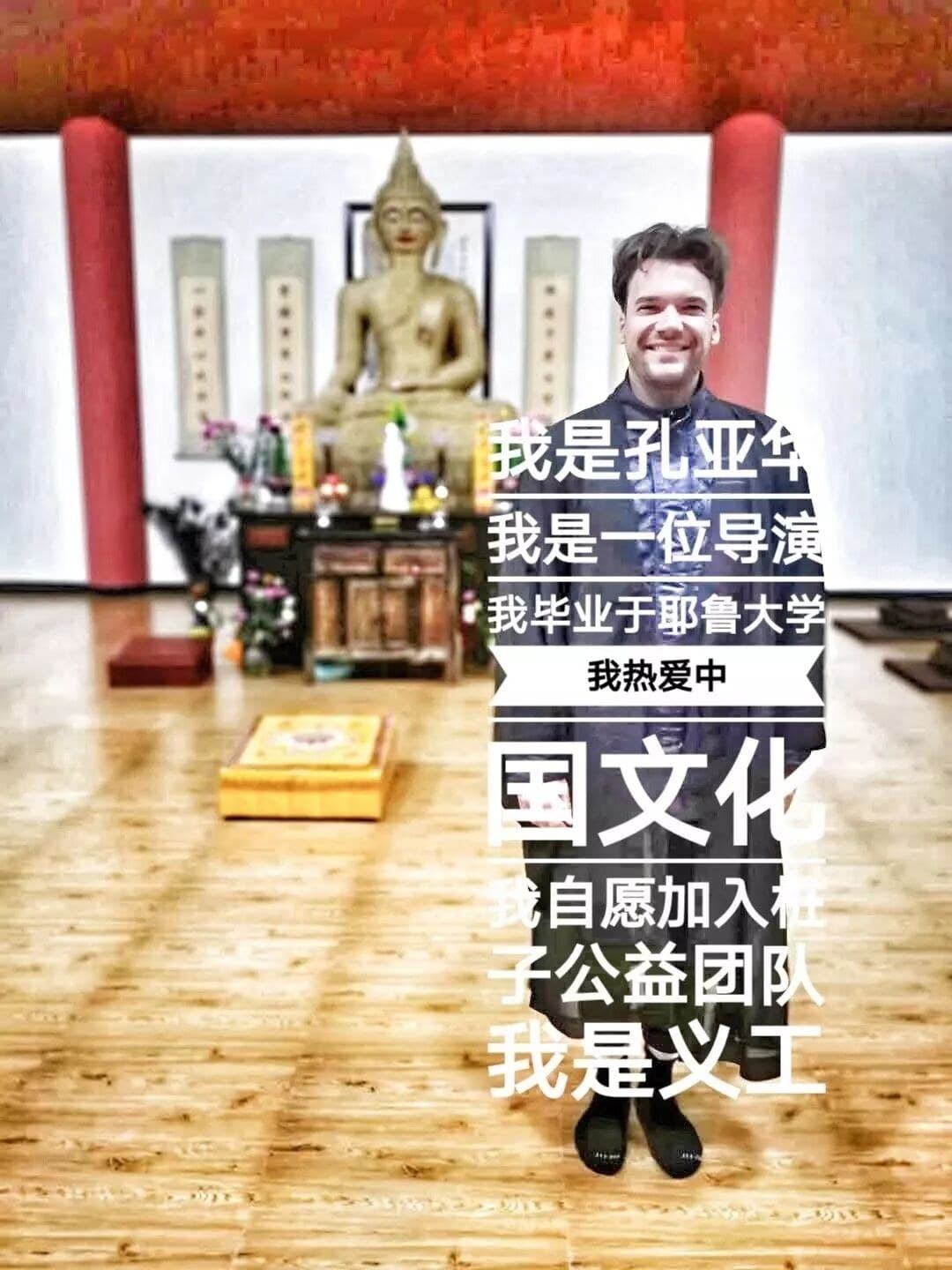
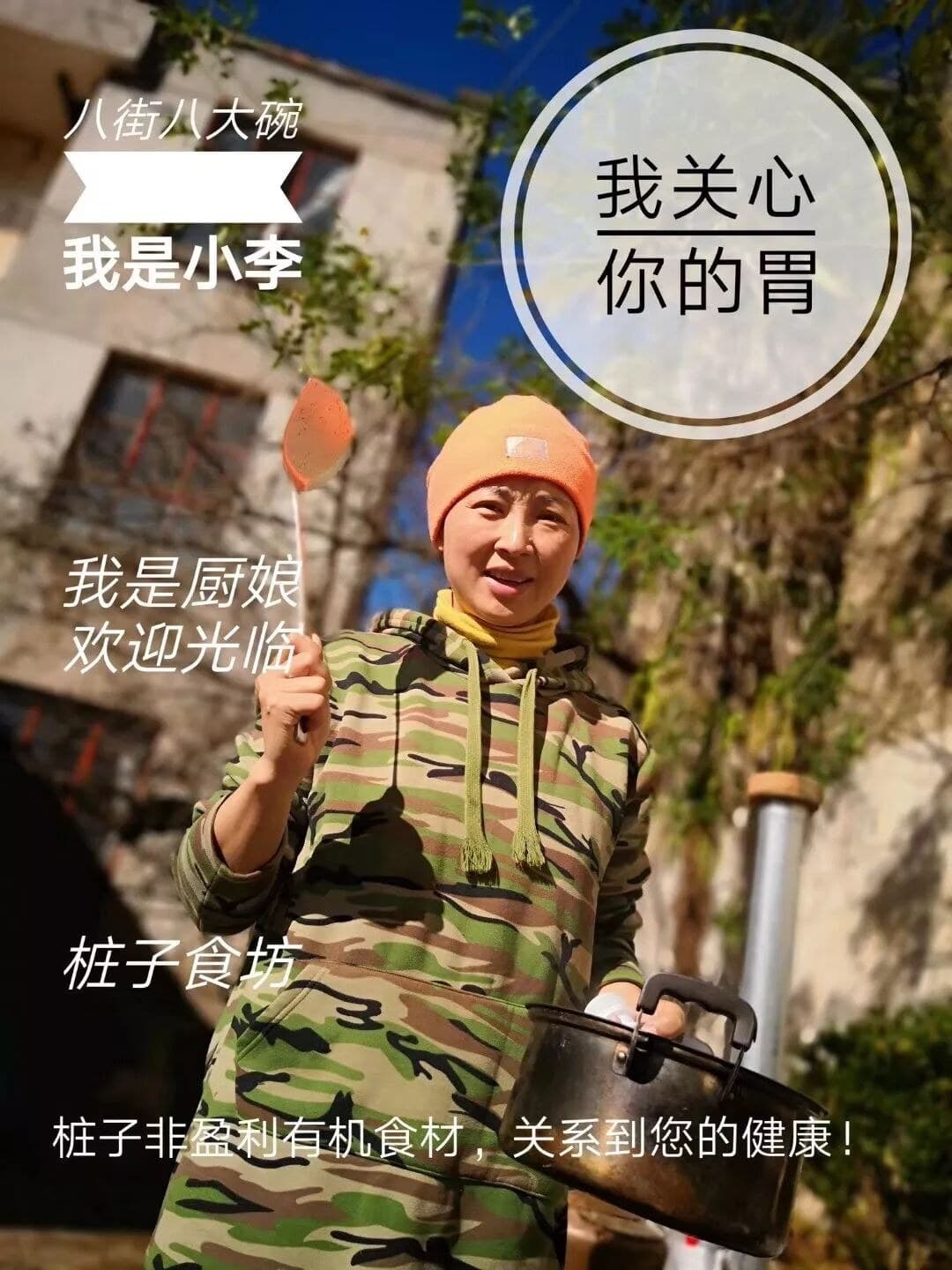
The project is located in the centre of the ancient town of Bajie in Anning, Yunnan. Its headquarters is the renovated old courthouse, which contains artist studios, a gallery, a café, a garden and self-cultivated farmland. Adjacent is Sanhe Temple — a historic monastery in which Confucianism, Buddhism and Daoism are unified — an important partner and the residence of participants in the project.
The Zhuangzi Project is an open and continuously developing cross-disciplinary public-art experiment. With our eyes on the future, we together explore, experiment and develop, seeking the diverse possibilities of the common development of human civilisation.
ChuangTzu Academic Institute
The Zhuangzi Project contains two core sections. The first is the ChuangTzu Academic Institute — an academy that reforms traditional education and experiments with progressivist educational ideals. Between teachers and students there is no identity boundary; they live together in the same community. There is no fixed compulsory curriculum, no grading system, and no set length of study; students decide for themselves when to graduate.
The curriculum integrates disciplines — painting, sculpture, ceramics, textiles, furniture, photography, architecture, music. It offers Chinese culture courses (the classics, the philosophy of Laozi and Zhuangzi, Chinese painting, calligraphy, Taiji, the way of tea, the way of incense, guqin, bronze bells, meditation), as well as art-practice courses (Chinese and Western aesthetics, life drawing, materials, handicrafts, participation in the mentor's creative work).
ChuangTzu Creative Art Center
The second core section is the ChuangTzu Creative Art Center — composed of the “ChuangTzu International Cultural and Arts Exchange Centre” and the “ChuangTzu Art Museum”. The Exchange Centre, on the principles of public benefit, professionalism and independence, establishes a Chinese-soil-rooted international operating mechanism for future art through exhibitions, academic research, exchange, education, publishing and an international artists-in-residence programme. The Art Museum, occupying 1,400 square metres, is dedicated to inheriting and developing traditional folk art and to advancing contemporary art, covering design, photography, architecture, dance, music, theatre, interdisciplinary art and multi-media art, and regularly organises high-level art exhibitions.
In addition, the project includes a rural music theatre, ChuangTzu Design, ChuangTzu Publishing House, a country market and other resident sections, as well as extended programmes such as a rural-comprehensive estate, planning for modern village construction, and packaging design.