The Full Essay
One Year Review · 2013 → 2026
The Zhuangzi Project was initiated by the conceptual artist Mu Yuming (Zhuangzi / Lao Mu), with its origin in the ethical awakening of a short Buddhist ordination in Myanmar in 2013. At the airport he chanced to meet Master Shi Changding of Sanhe Temple and learned that Sanhe Charity was donating to the orphans of the En Xin School in northern Burma. Mu Yuming went to Myanmar in person to be ordained for a month; touched by the children's eyes hungry for knowledge, he decided to paint and sell works to fund their education. The metaphor that “art is a Chinese medicinal herb” laid the ethical bedrock of the project.
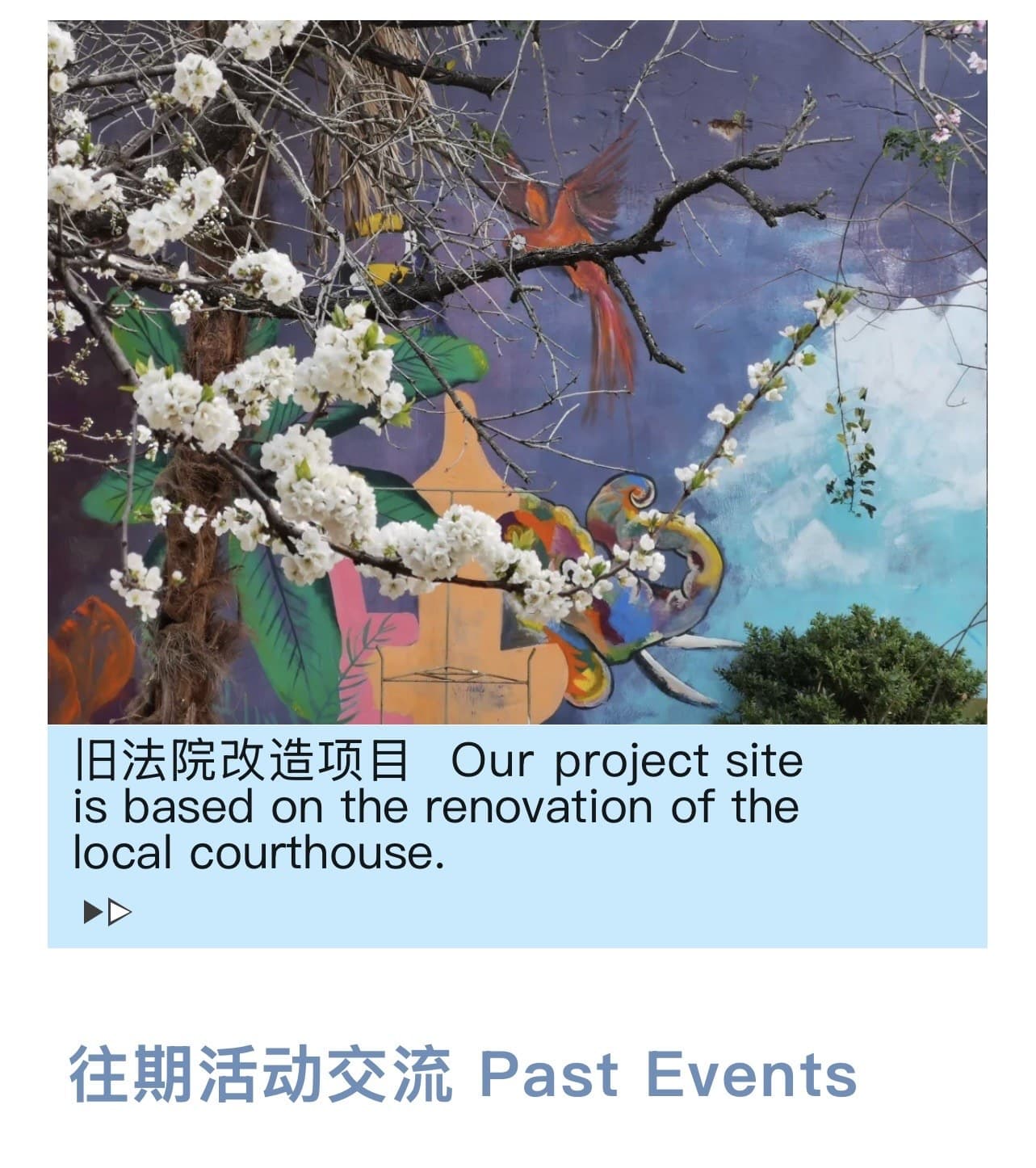
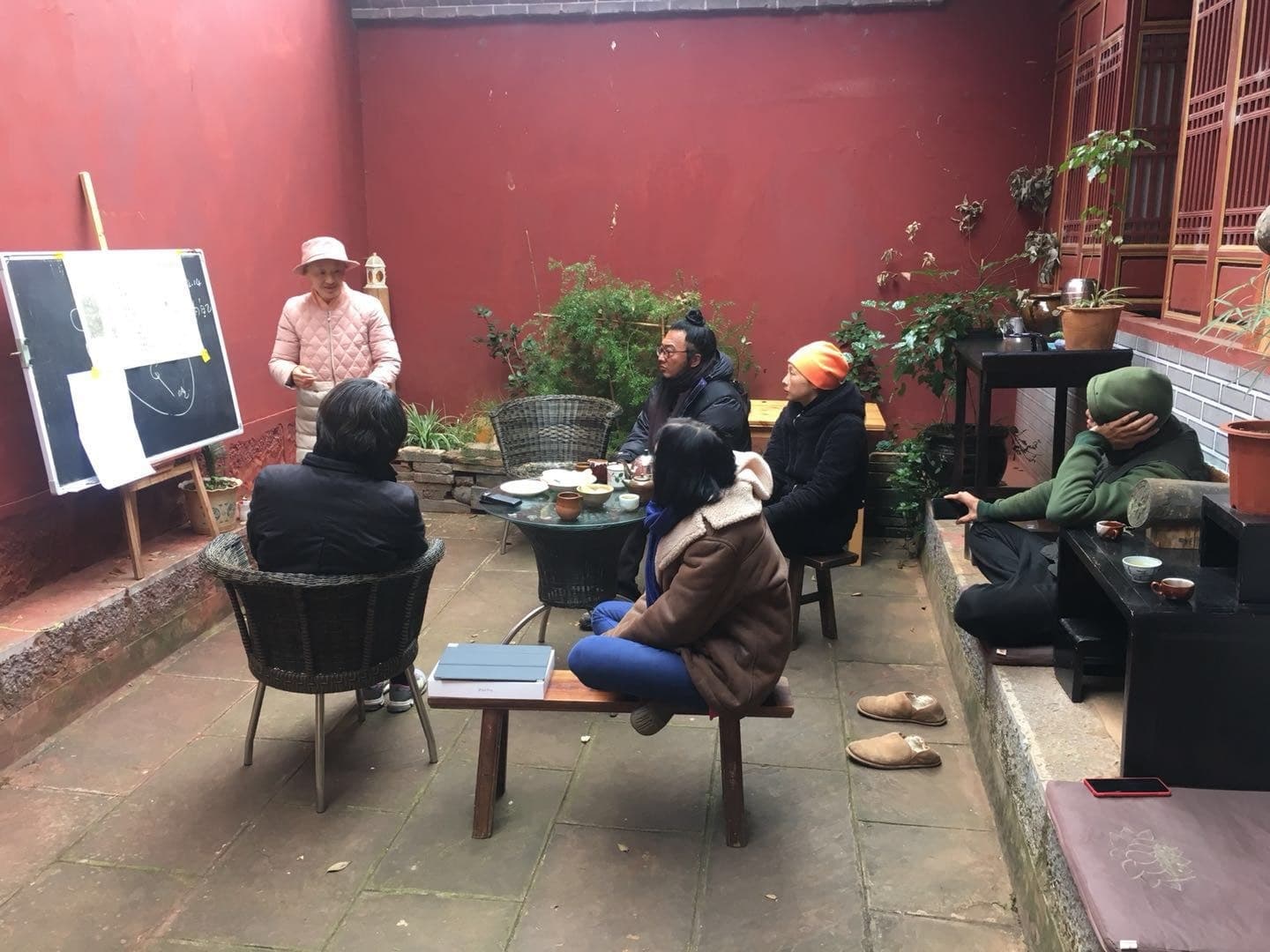
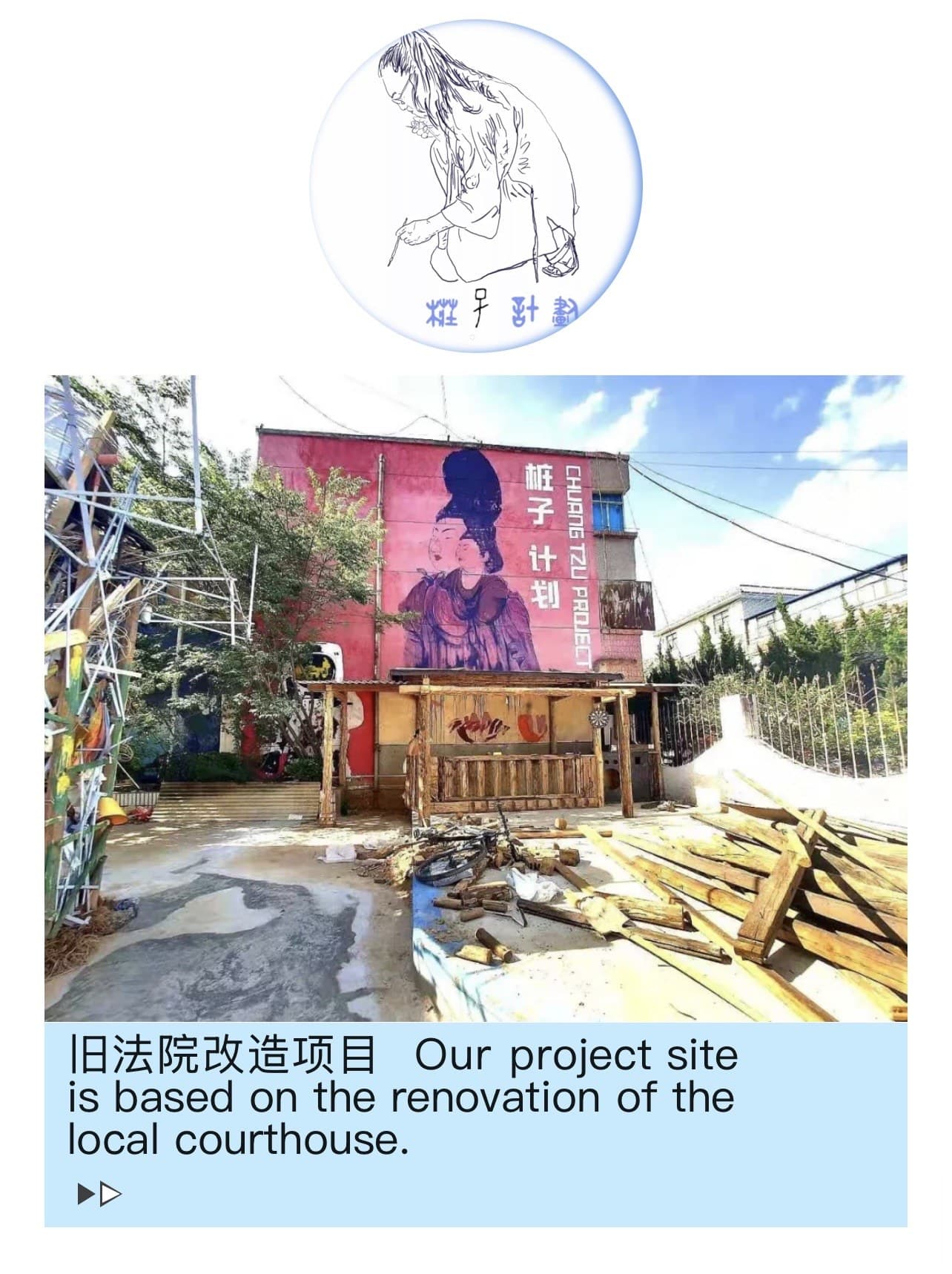
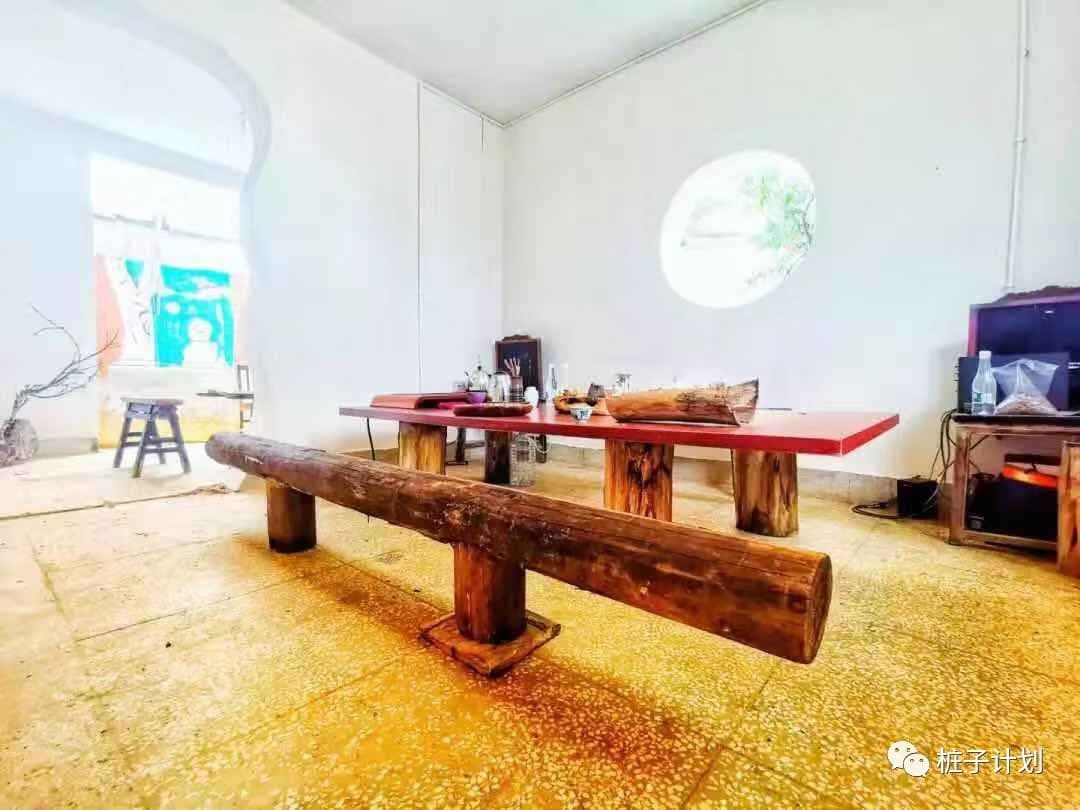
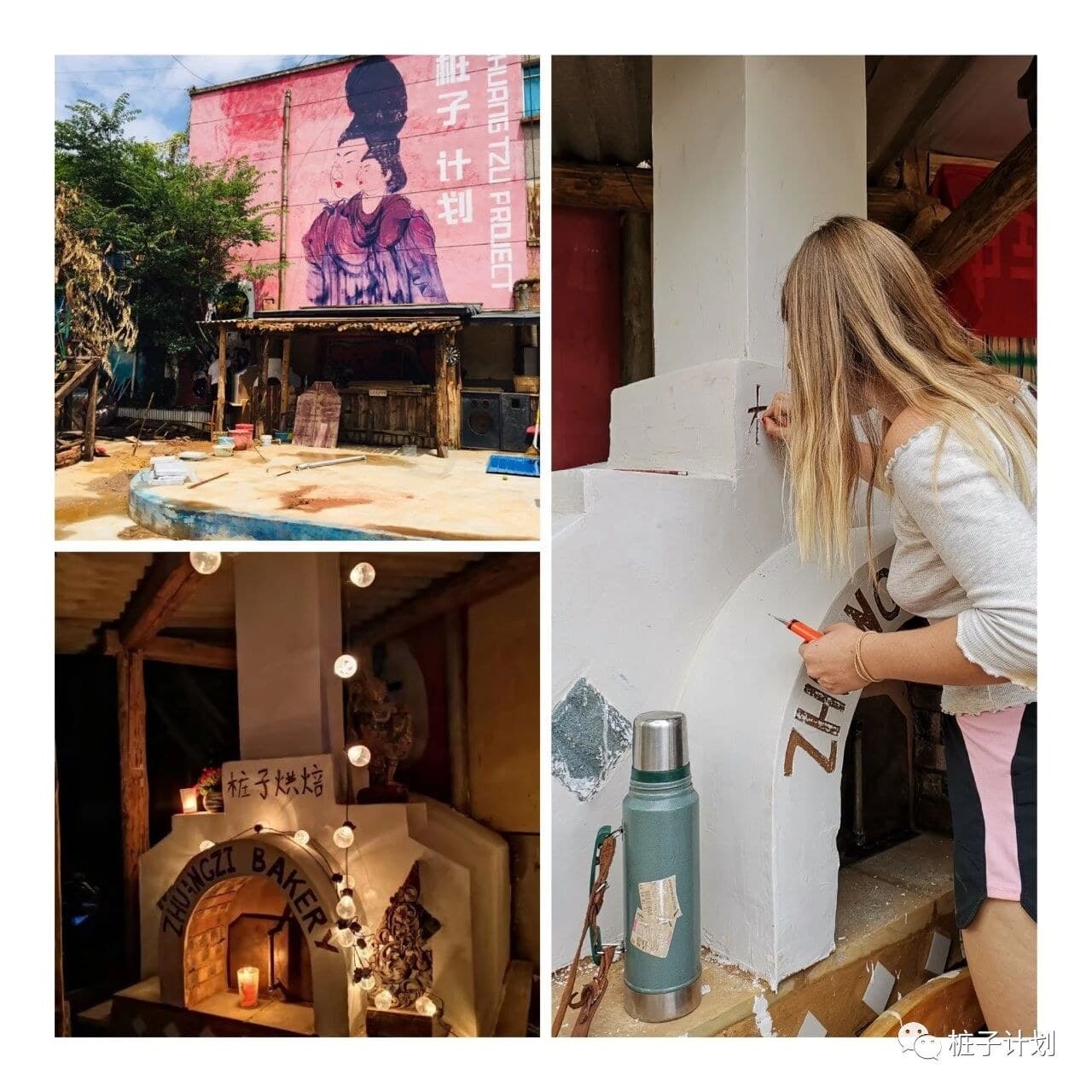
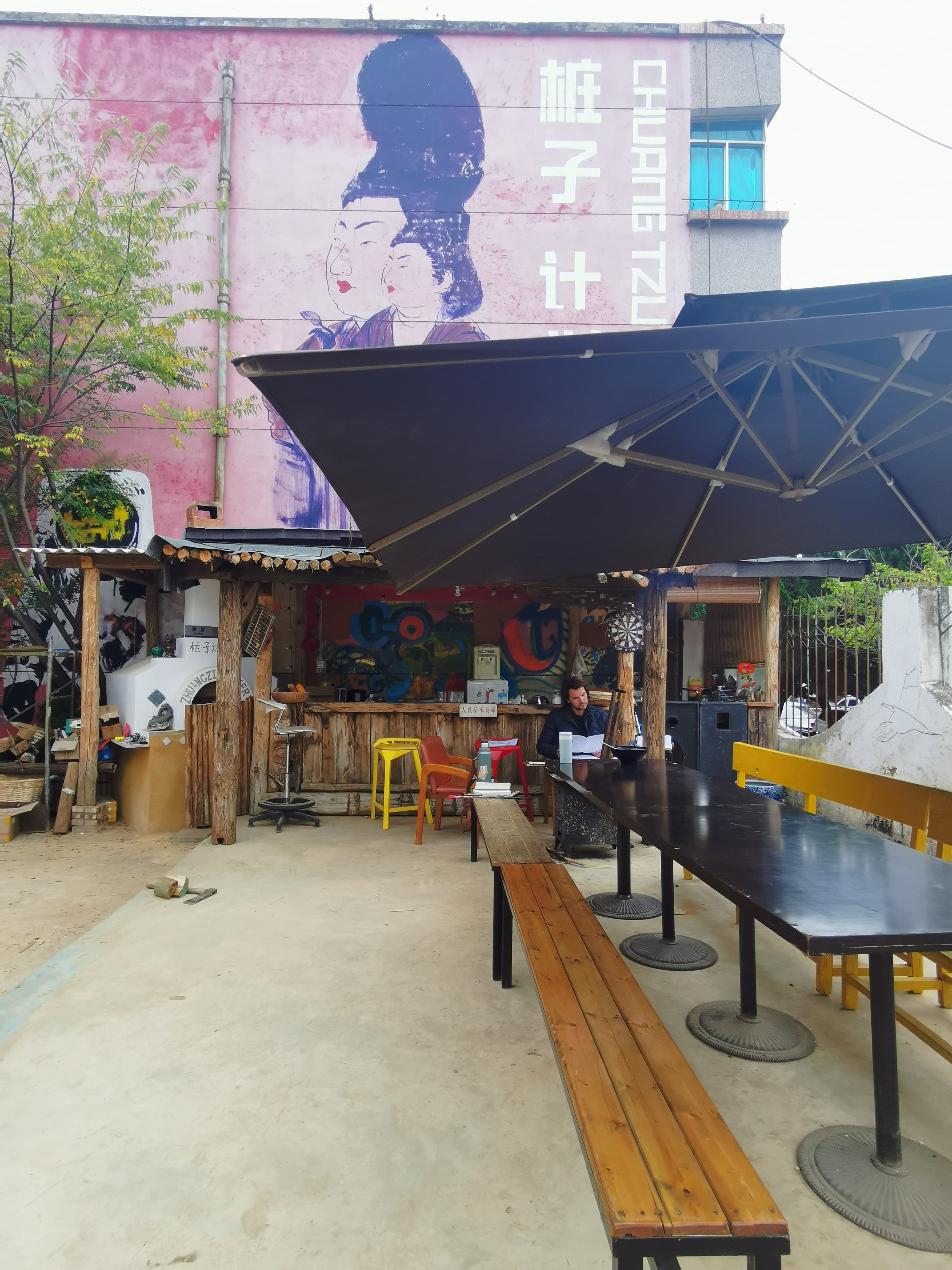
On 25 October 2018, at the special invitation of the Bajie town office in Anning, the team moved into the old courthouse — abandoned for more than ten years — and established a non-profit public-benefit organisation to assist the local government in carrying out the rural-revitalisation plan. Adjacent to Sanhe Temple — a historic monastery uniting Confucianism, Buddhism and Daoism, where the centenarian Chan master Ben Huan personally inscribed “To the Place of Brightness” at age 101 — the project constructed an art centre integrating gallery, studio, tea room, garden, farmland and café, driven by the dual cores of the “ChuangTzu International Cultural and Arts Exchange Centre” and the “ChuangTzu Art Museum”.
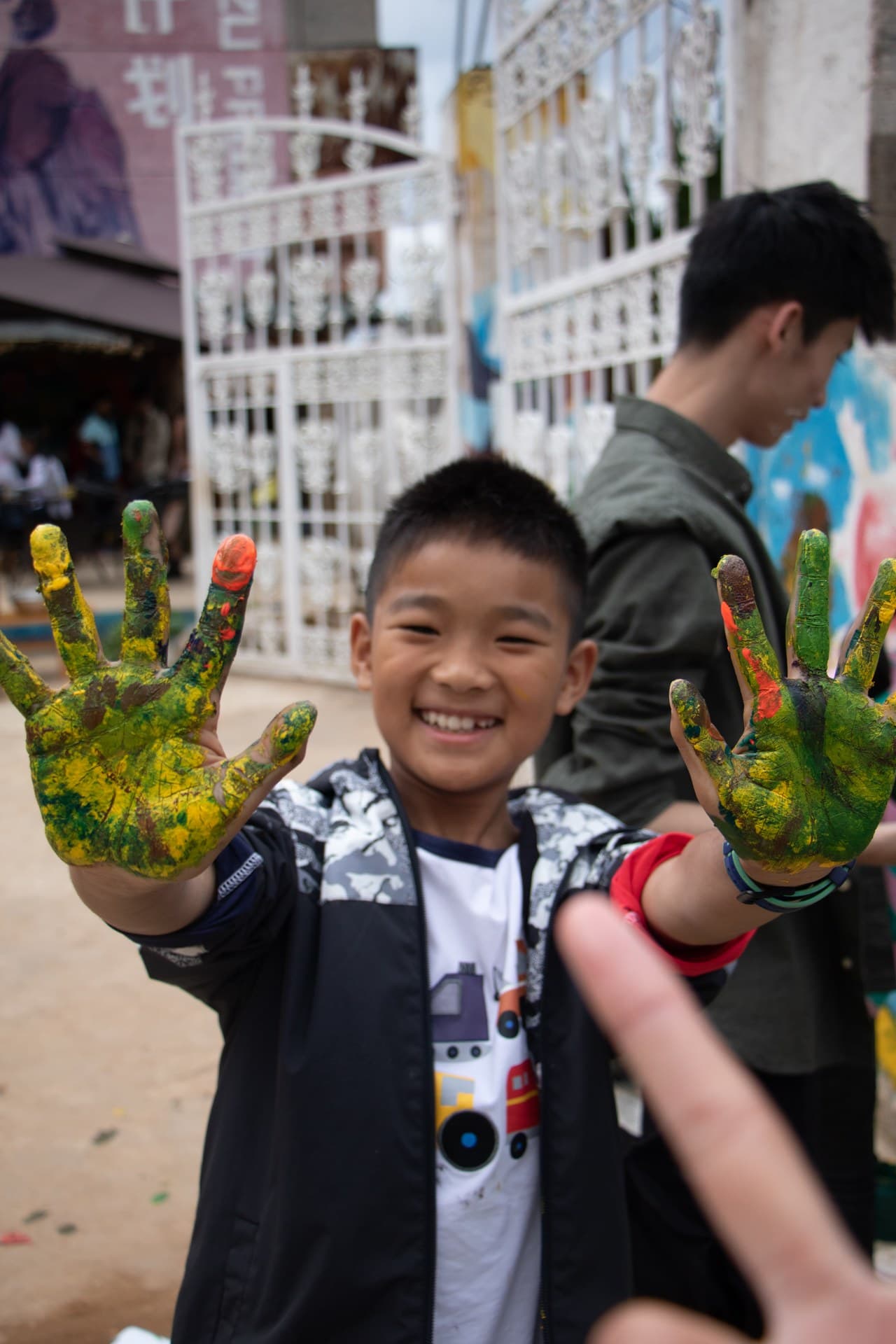
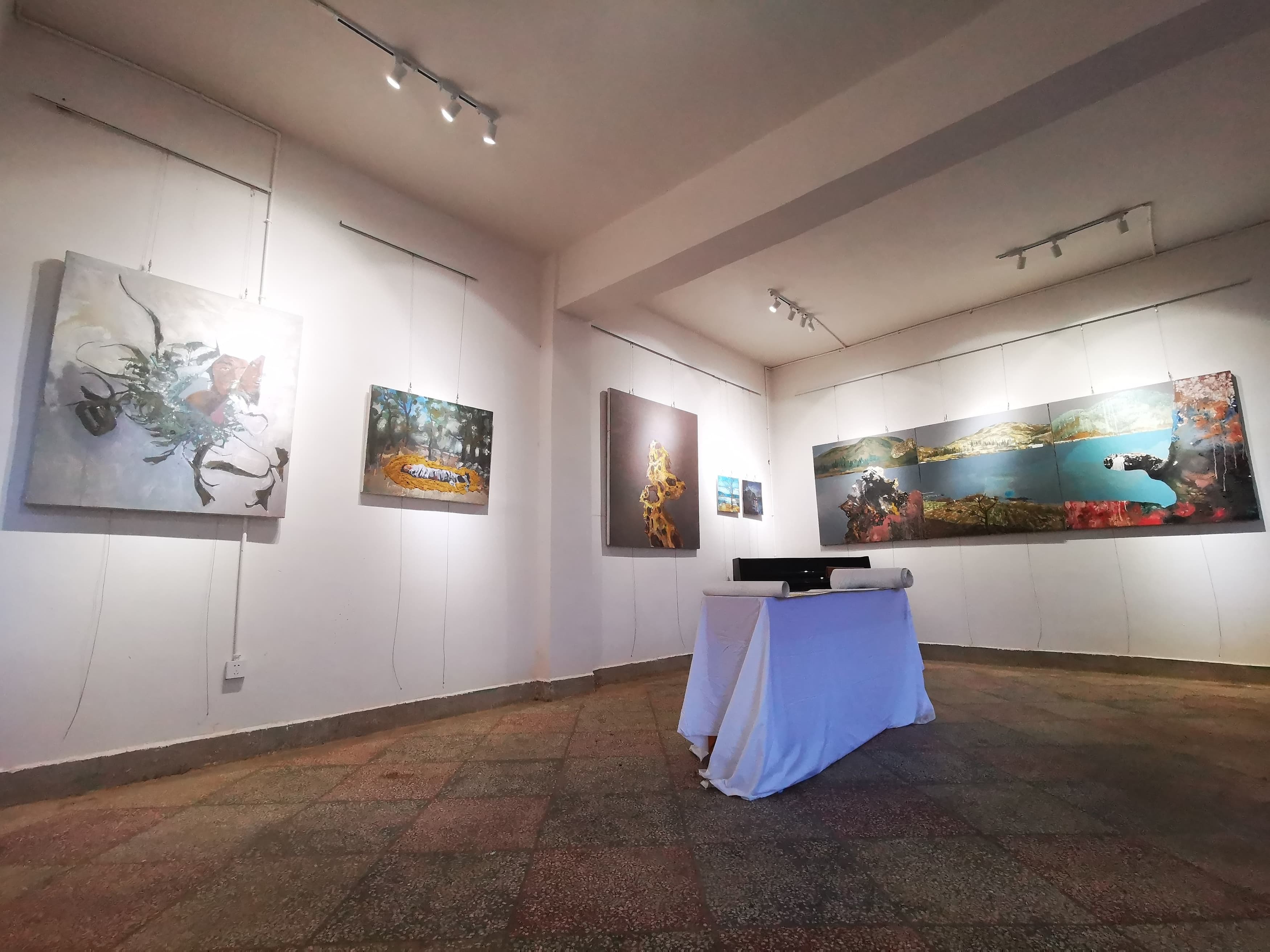
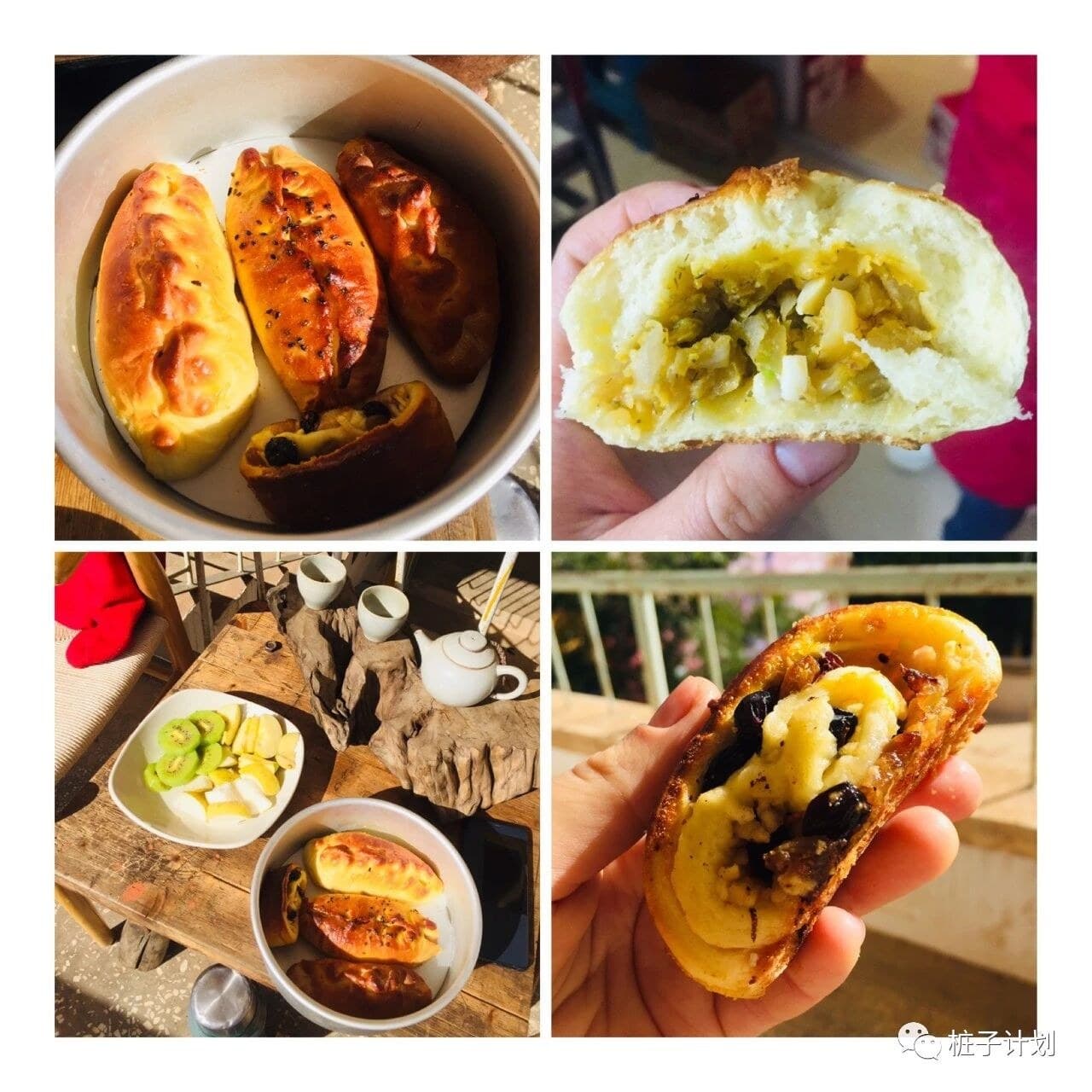
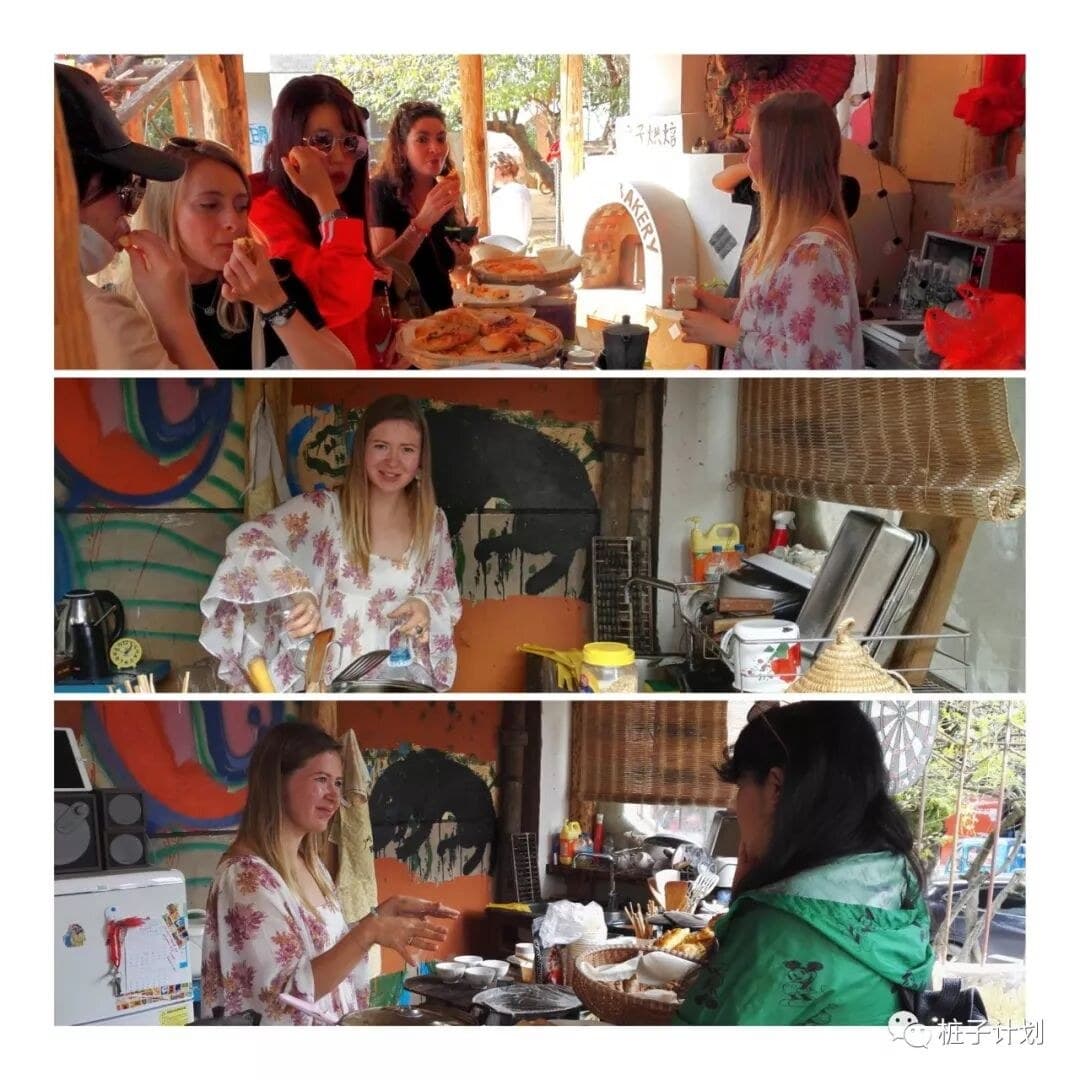
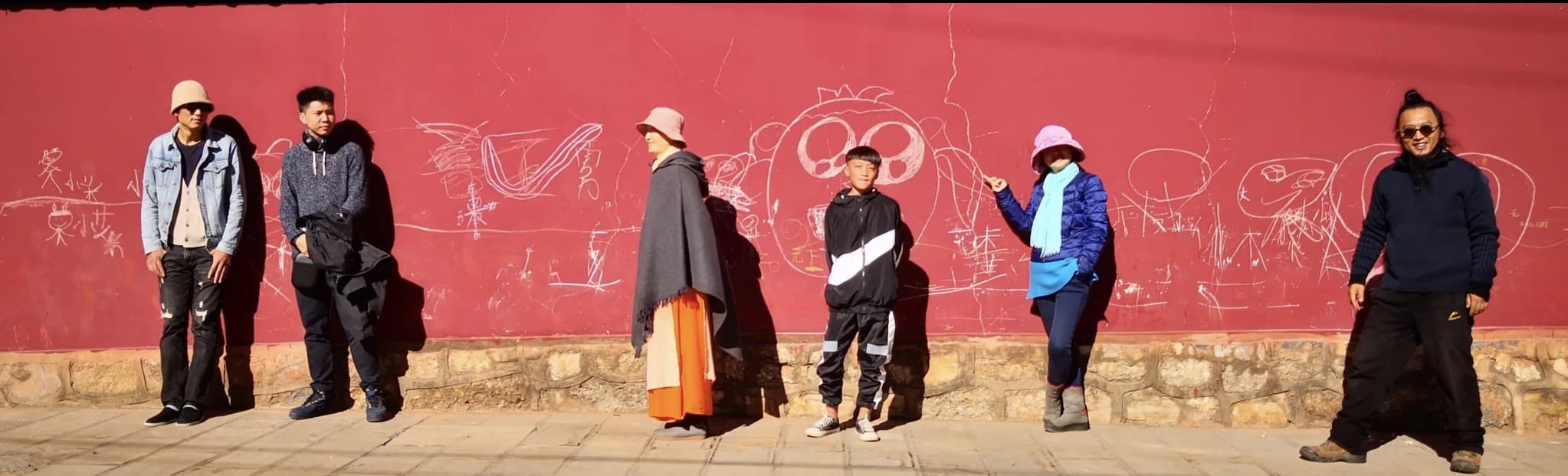
On the Opening Day in October 2019, one hundred people gathered: the painting exhibition 《Shanshui》 examined the environmental crisis; French artist Genevieve Ameyom's 12-hour motionless performance 《Human Clock》 explored time's erosion of the body with her arms imitating the hour and minute hands; American director Ke Yahua's documentary presented the Hani culture of Xishuangbanna; the Russian woman Masha's “Zhuangzi Coffee” served freshly baked bread; the nuns of Sanhe Temple provided free vegetarian food; local children learned 《Twinkle Twinkle Little Star》 within two hours; one hundred people shared in mural and graffiti and the “Evergreen” waste-sculpture. A place of punishment was transformed into a place of laughter; the Bauhaus's cross-disciplinary collaboration and the Black Mountain College's teacher-student community spirit were reborn in the East — rooted in the Daoist principle of “the use of the useless”, reusing waste, following nature.
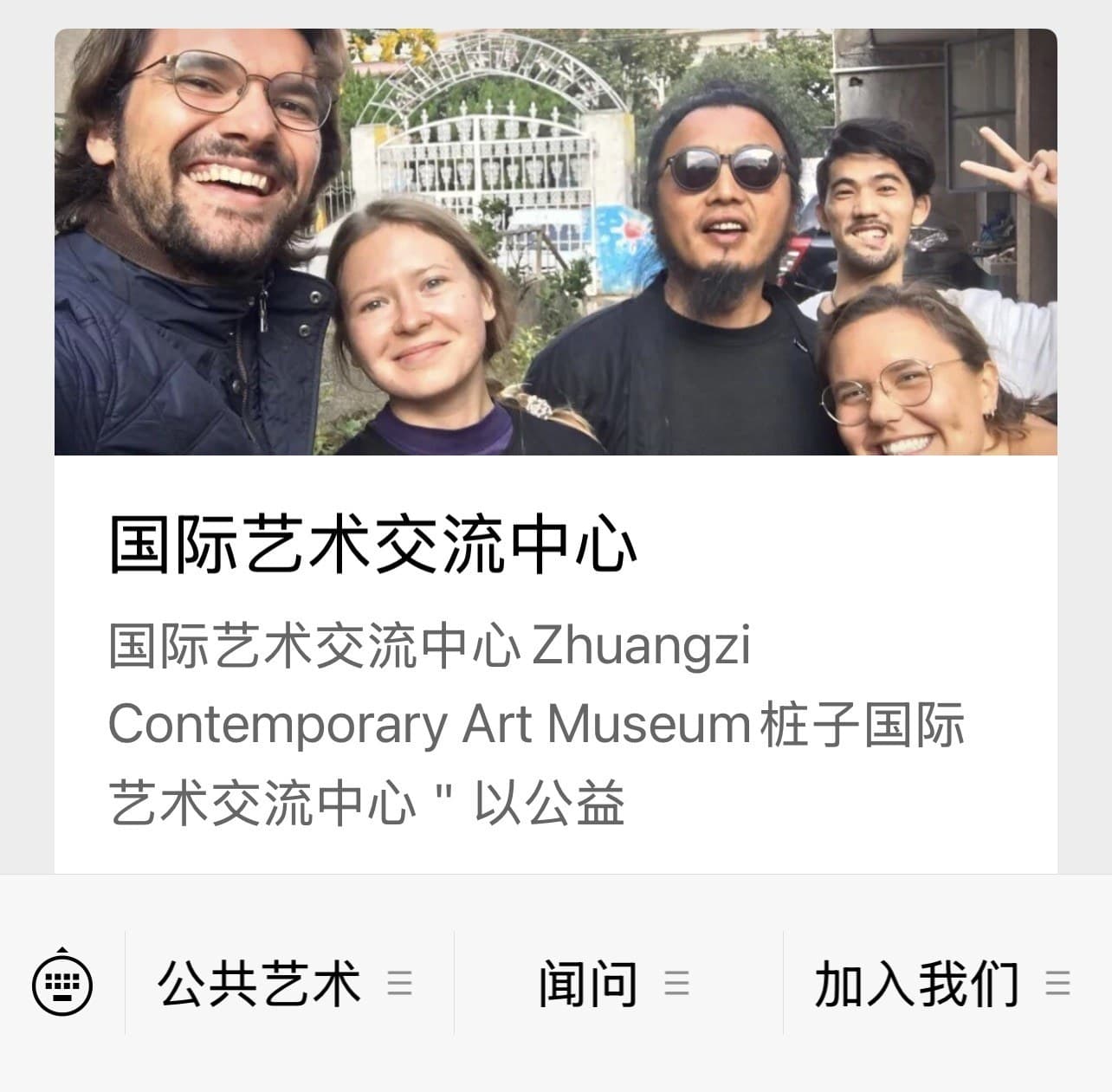
Daily life followed the rhythm of the ChuangTzu Academy: meditation at five in the morning, mind-storming at the morning meeting, going up the mountain to find earth to make pigments, sharing meetings in the evening — making life itself into art. The project inherited the “natural Bauhaus” theory of the 2013–2016 Jingdezhen survey period, attempting to verify the “mobile vehicle” concept through institutional practice — but in 2020 the COVID-19 pandemic arrived, ending the government cooperation ahead of schedule; the international team dispersed, and once again the institutional utopia confirmed its destiny.
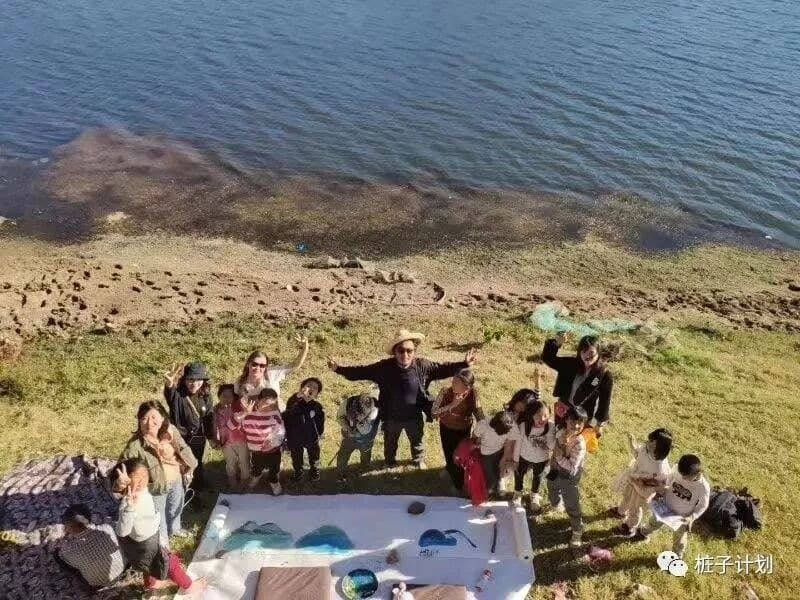
The artist took the initiative to move on to a new project method: from a fixed base toward a mobile vehicle, from social sculpture toward spiritual nomadism. From 2022 onward Thailand's Chiang Dao, Chiang Rai and Chiang Khong became his usual places; in 2023 he carried out field investigation in Cambodia; in 2024 he rode by bicycle into Houayxay in Laos; in 2025 a 41-day residency at Zongtong Temple produced a 50 cm × 50 m raw-xuan handscroll; in 2026 the mobile studio 《Cloud Wandering》 set out by bicycle from Chiang Dao, Thailand. From the rooted “stake” (zhuang) of the Zhuangzi Project, through the cross-border “wandering” (you), to the formless and traceless “cloud” (yun) — a dynamic platform always on the road, exploring and discovering humanity's future ways of life.