木玉明
Projects
Collaboration·2009

Genealogy

《家谱》 · New Zealand & China

Official collaboration with the New Zealand Government

A family is a civilisation at the smallest possible scale.

01

The Collaboration

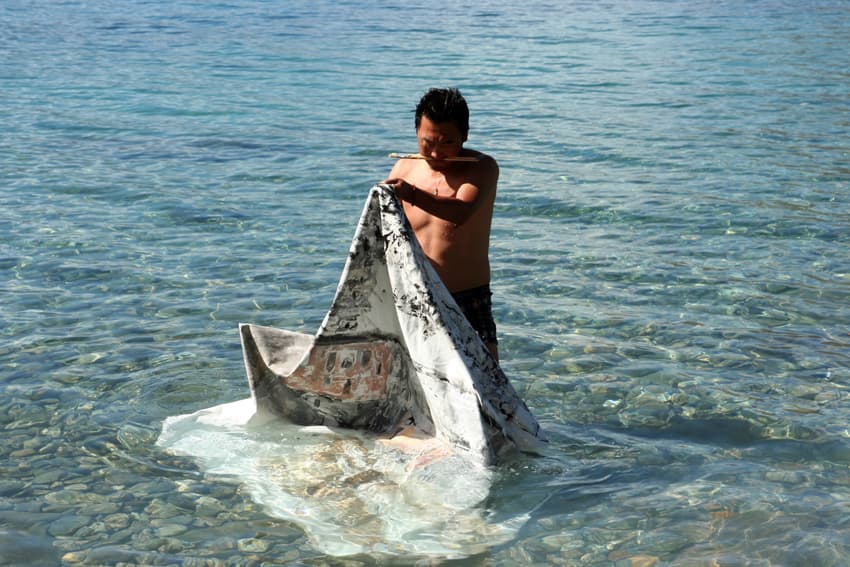
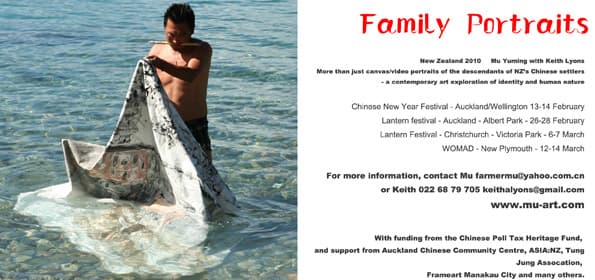
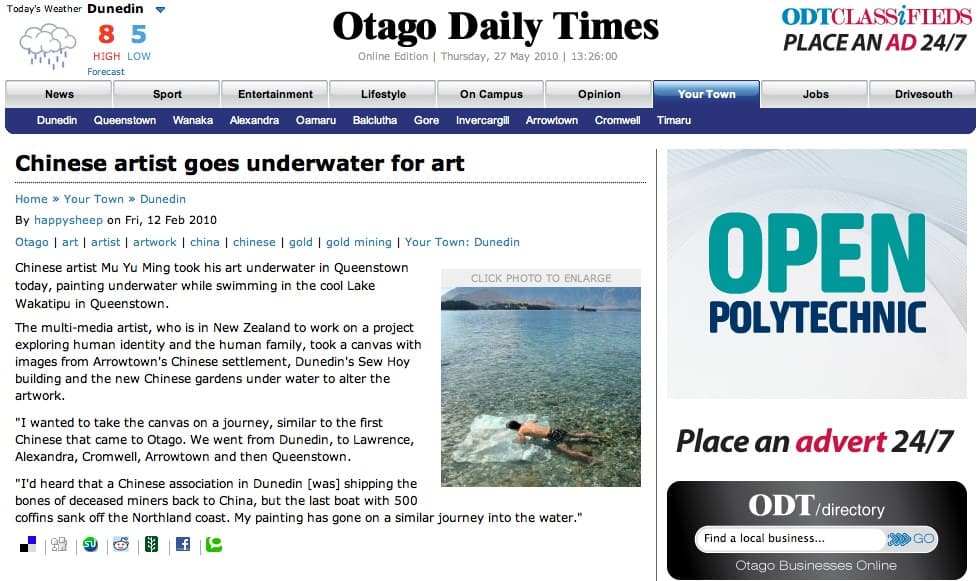
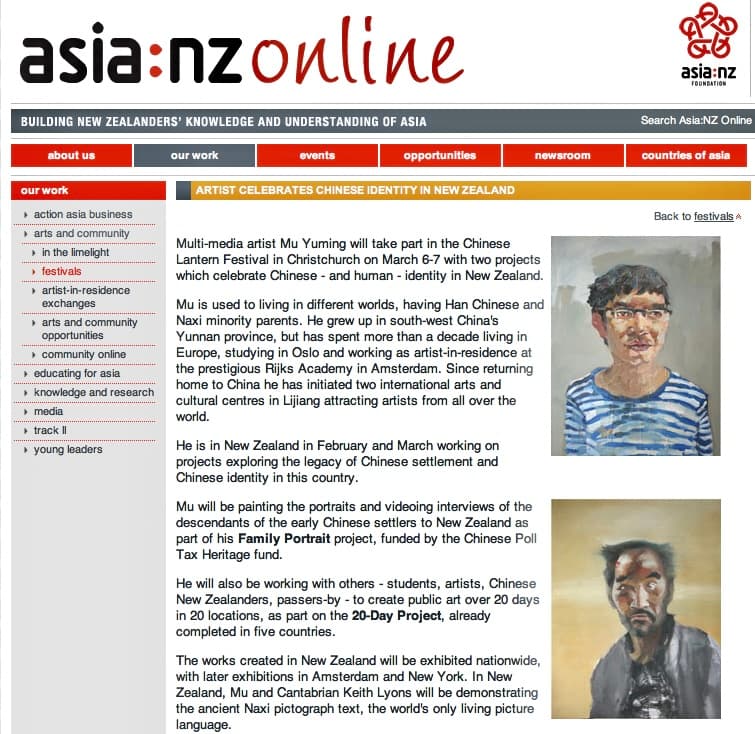
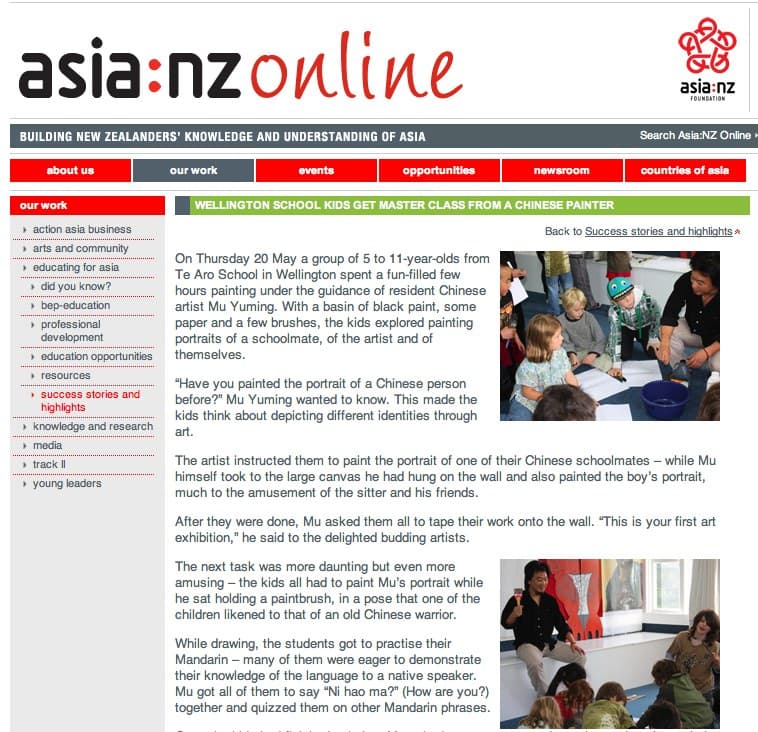
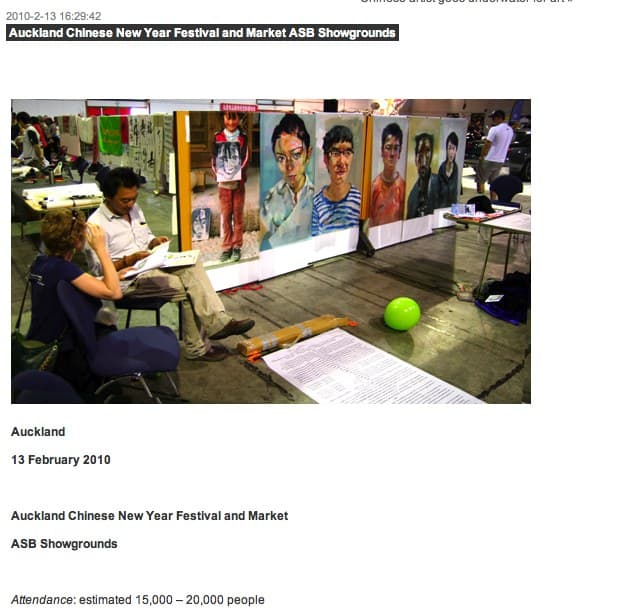
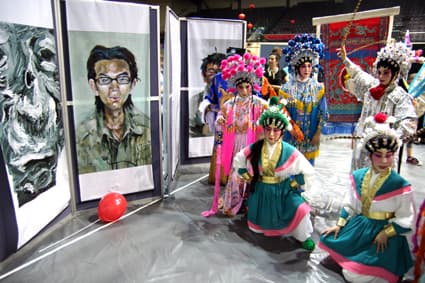
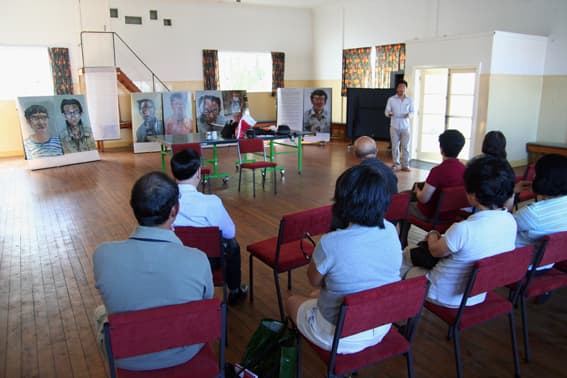
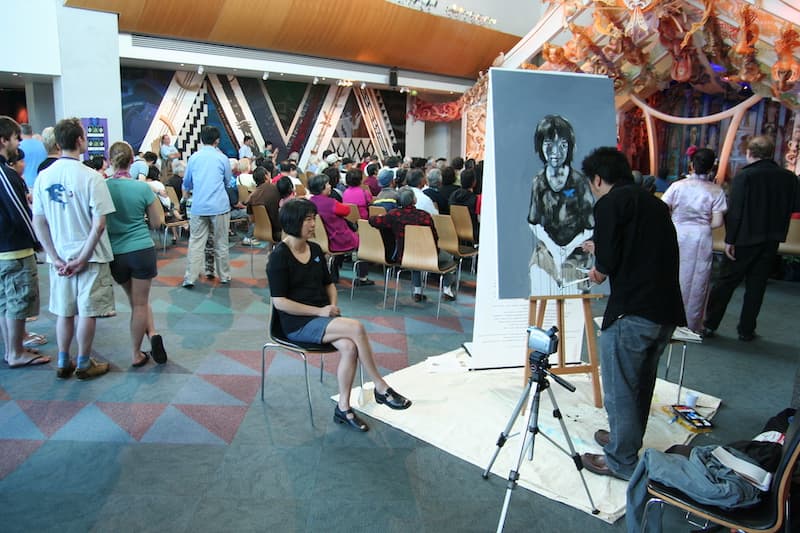
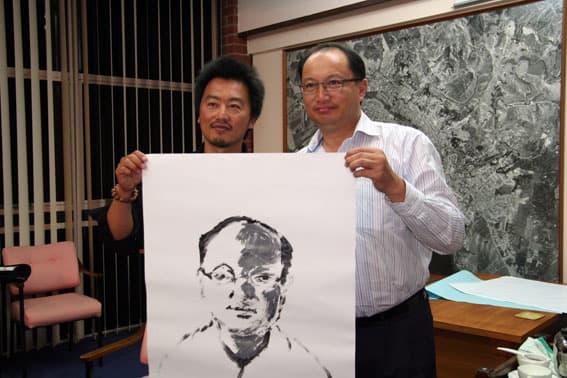
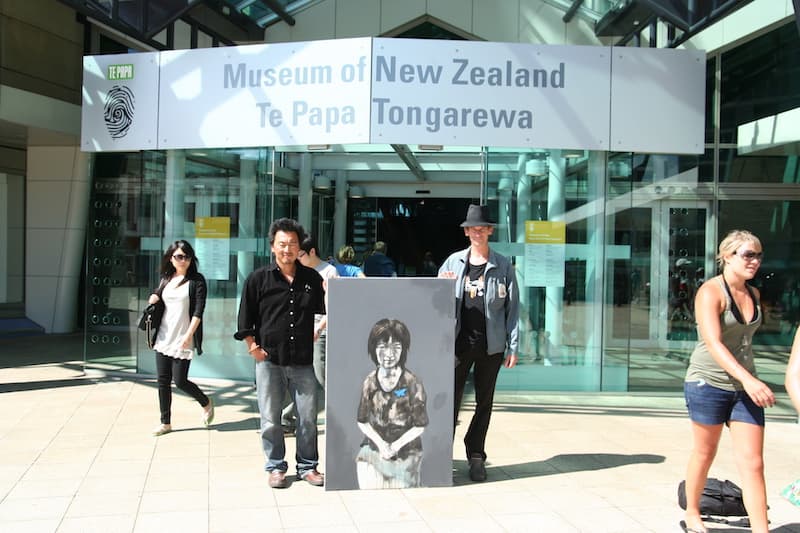
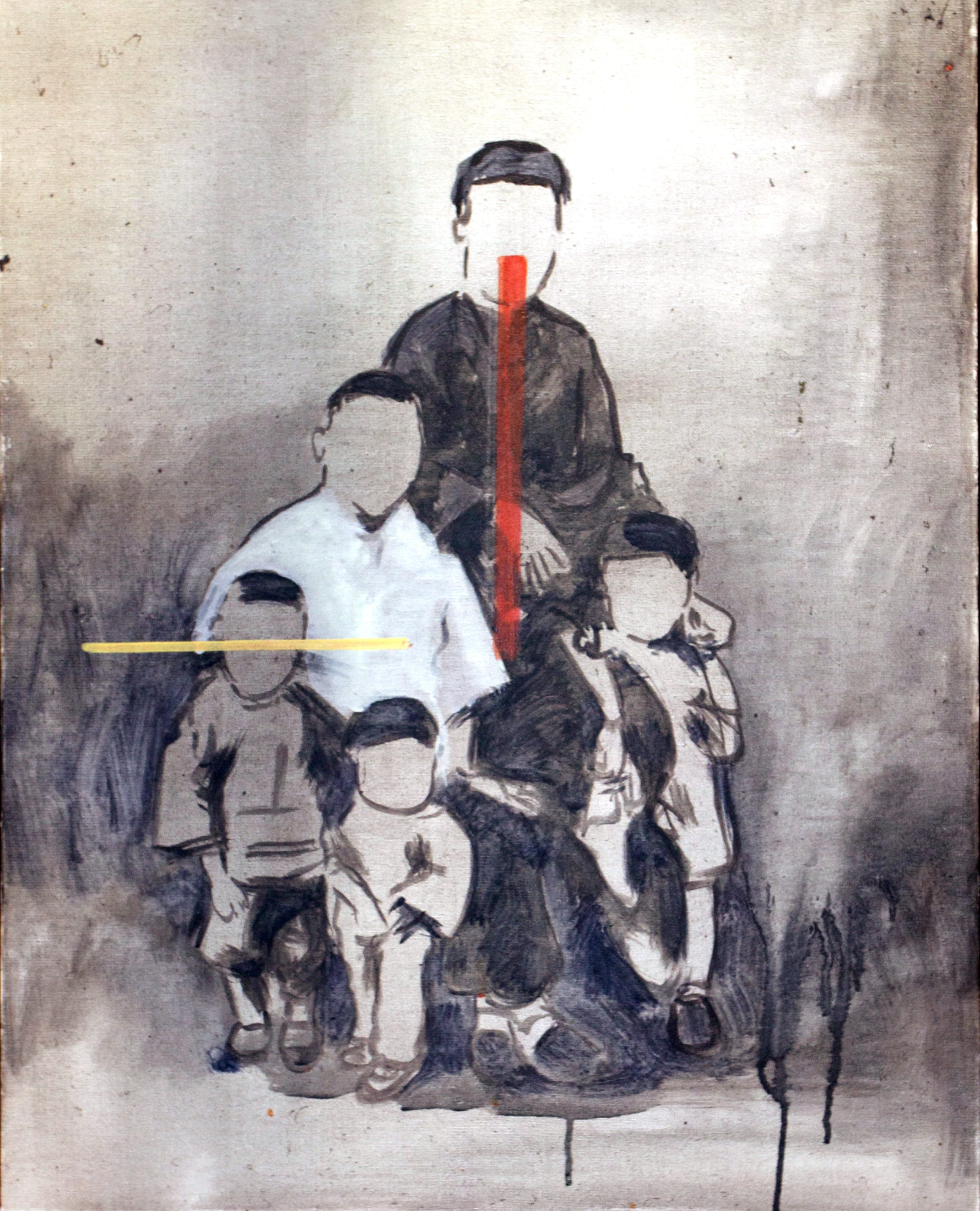
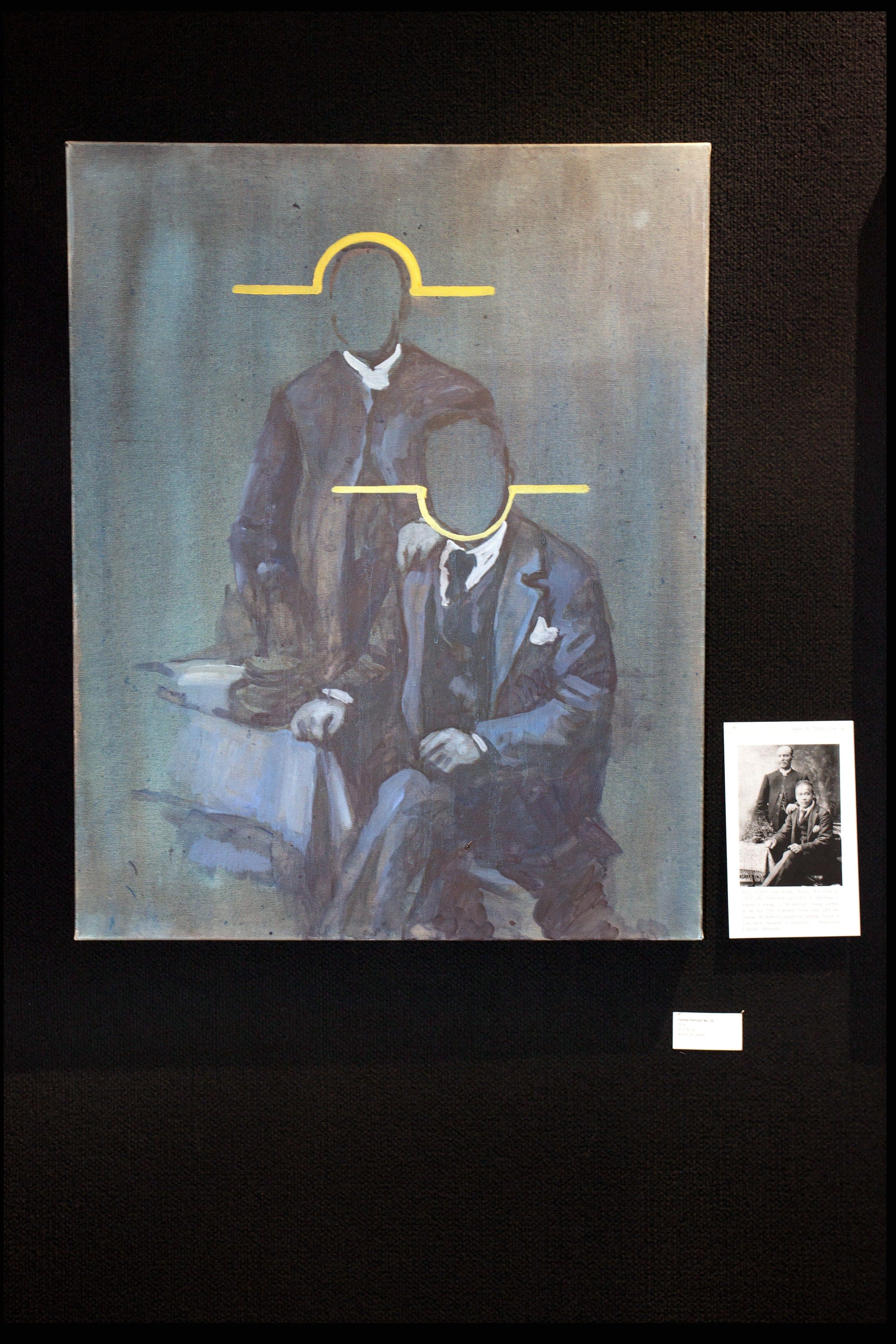
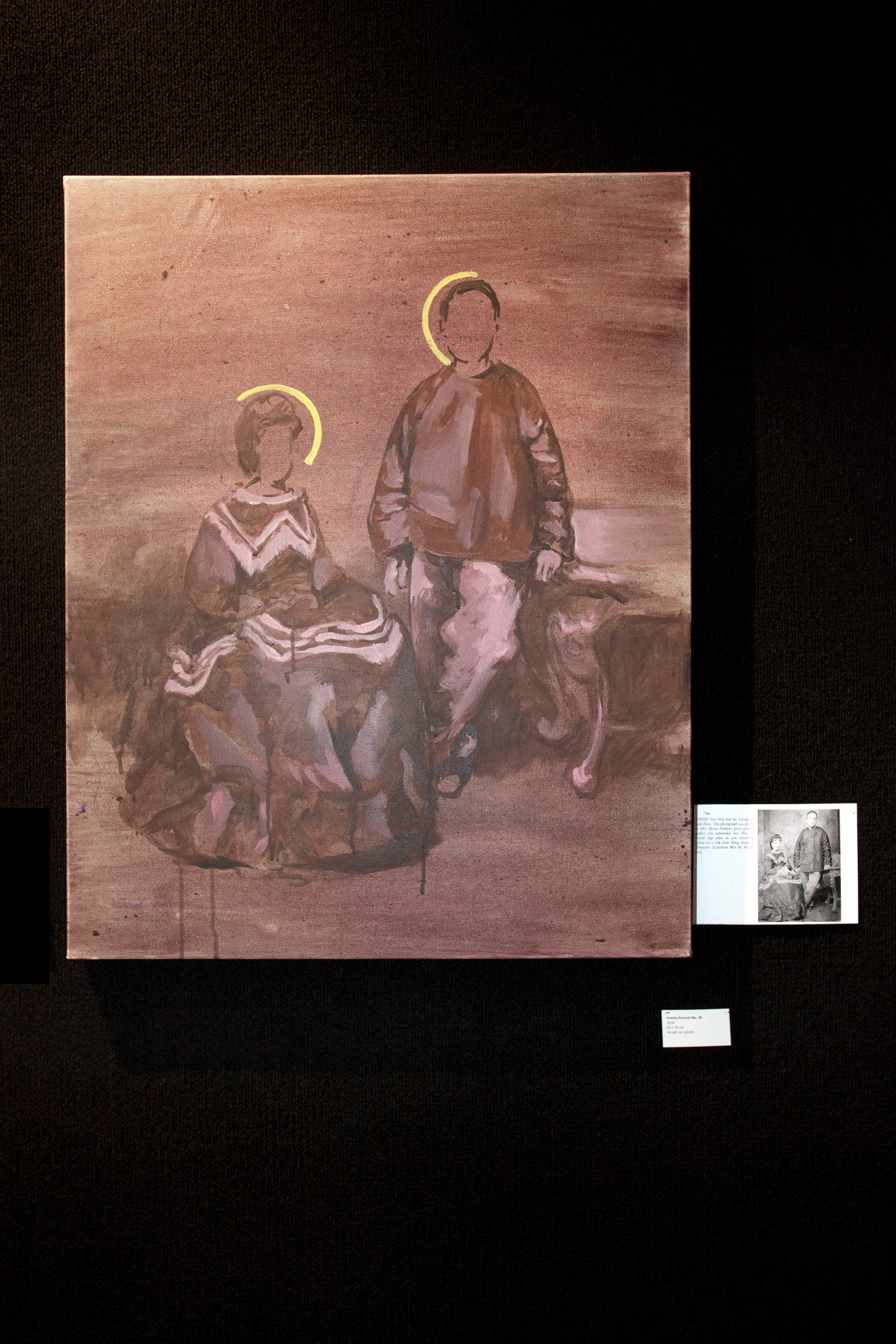
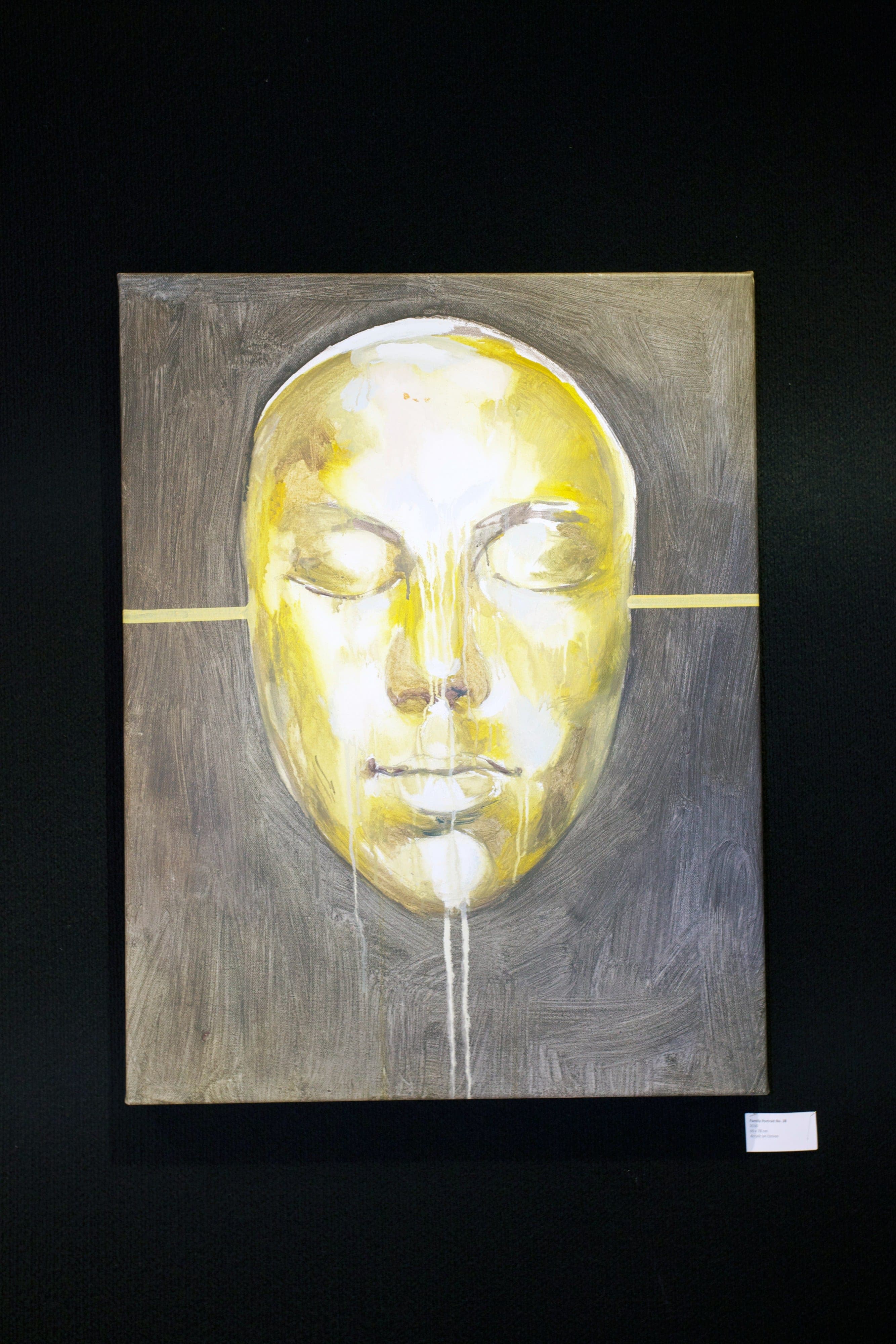
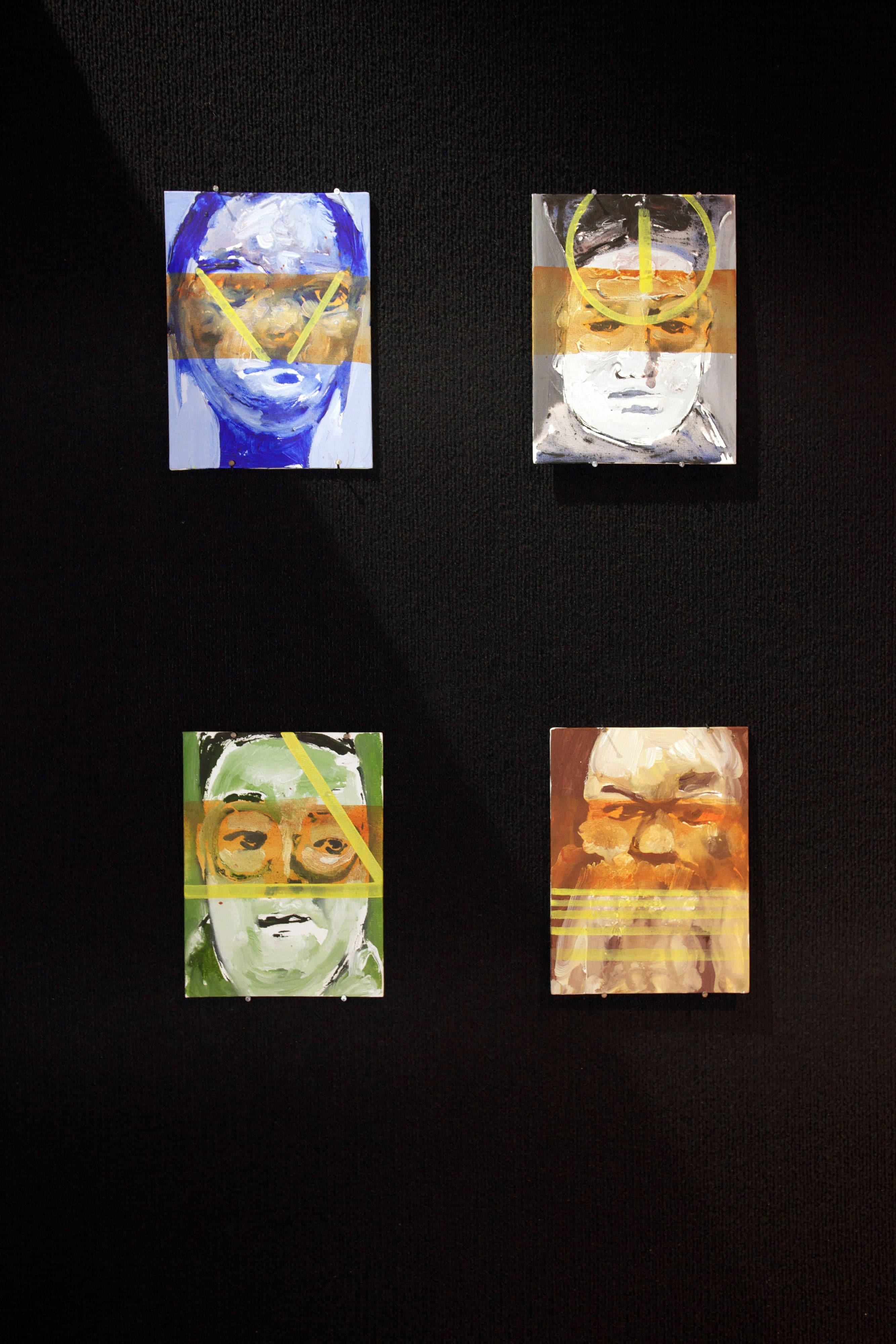
In 2009, in official collaboration with the New Zealand Government, Mu Yuming realised 《家谱》 — Genealogy — a project combining oral history, image installation, and cross-cultural research to examine the family as a subject across Eastern and Western contexts.

The collaboration with New Zealand followed a pattern established with the French Government's Himalaya collaboration (2004): official cultural partnership that placed Mu Yuming's practice within formal international exchange, while giving the work an institutional grounding and a cross-cultural scope that a purely independent project would not have had.

02

The Method

Genealogy worked through three interconnected forms: oral history, image installation, and cross-cultural research.

Oral history: the collection of spoken testimony from families in both New Zealand and China — their stories of origin, lineage, belonging, and transmission. Oral history captures what official records do not: the emotional content of memory, the things passed down as story rather than document, the silences and selective emphases through which families construct their own accounts of themselves.

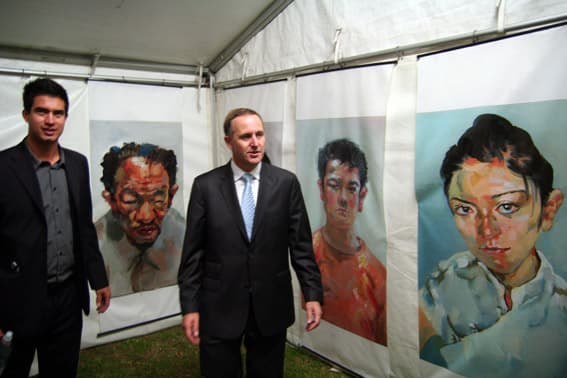
Image installation: the transformation of this collected material — photograph, object, text, recording — into spatial form. The installation did not illustrate the oral histories; it created conditions for encounter between the viewer and the material.

Cross-cultural research: the active comparison of how family — blood, inheritance, belonging, obligation — is understood and lived in two very different cultural contexts.

03

Blood and Belonging

At its core, Genealogy was about a single question: how do blood, identity, and belonging cross national and cultural borders?

For Mu Yuming — a Naxi man from a Lijiang family with a documented lineage connecting him to the Mu Royal Family of Lijiang, who had educated himself in Europe, who lived between multiple cultures — this question was personal. He was not investigating a theme from a distance. He was investigating something that he himself embodied: the experience of carrying a genealogy in one world while living in another.