木玉明
Projects
Social Practice·2023 —·Ongoing

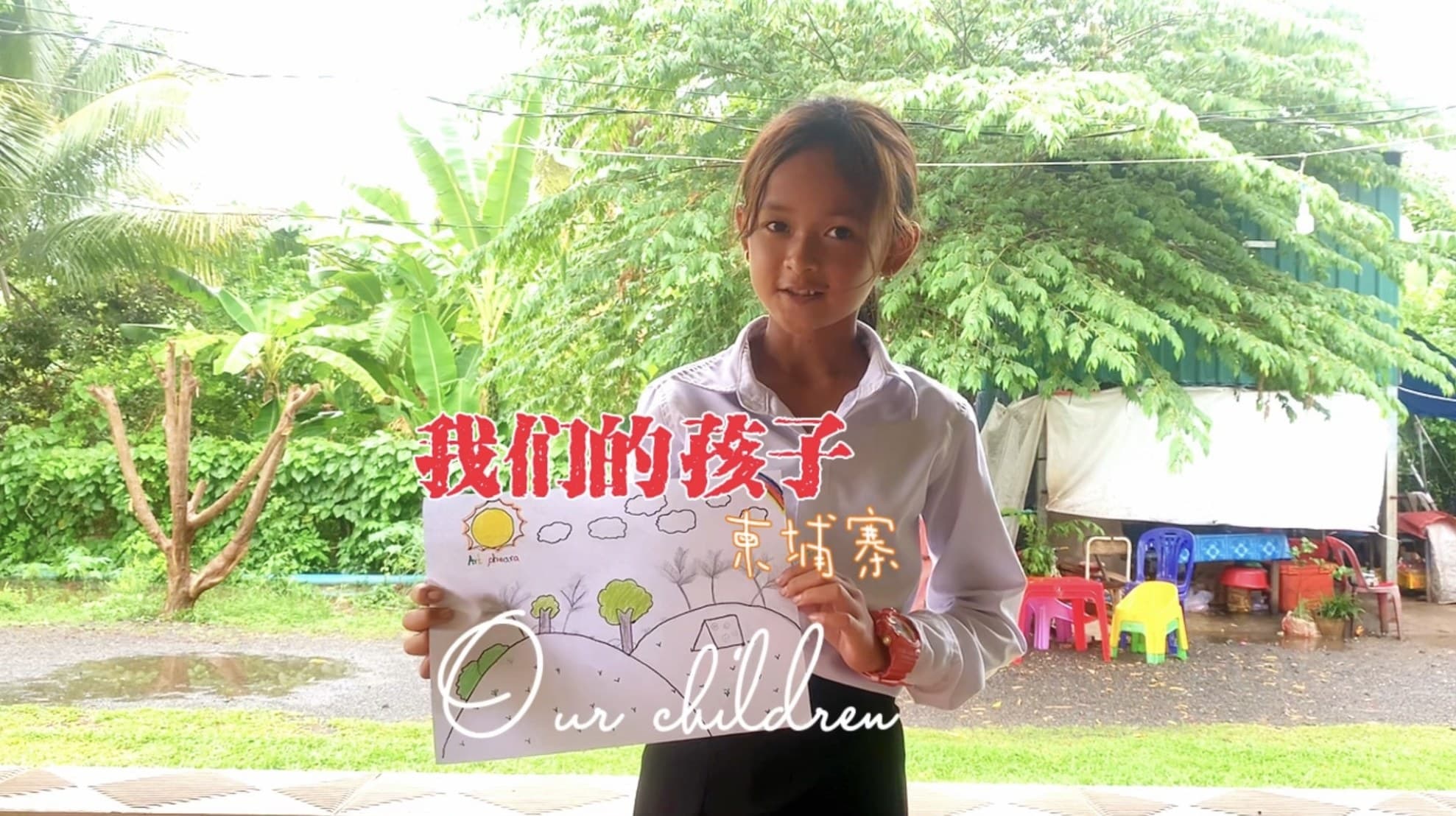
OUR CHILDREN

《我们的孩子》 · Chiang Mai, Thailand

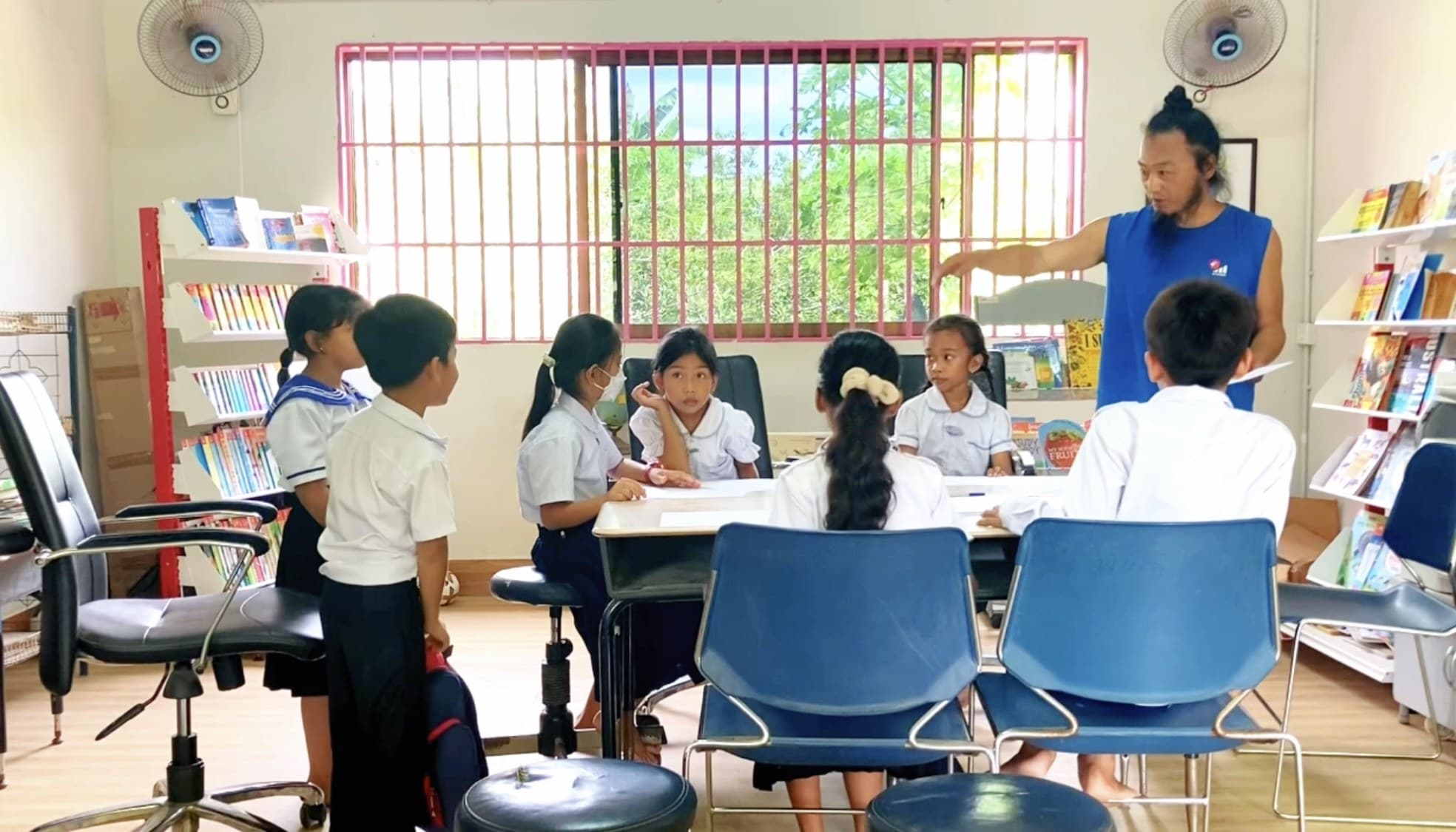
Learning art with Lao Mu is not only free but also profitable.

01

The Project

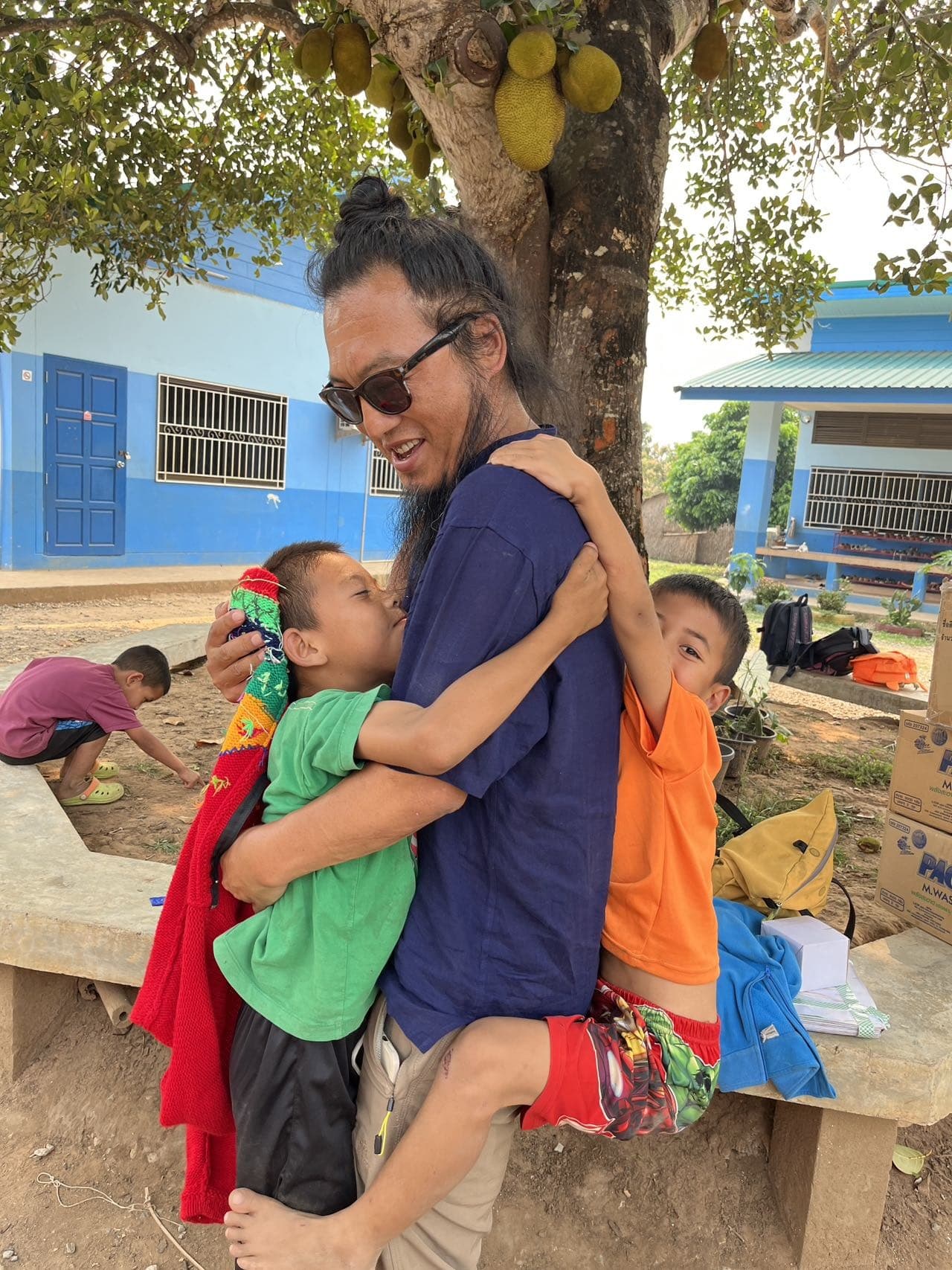
From 2023, under the identity Hei Qiu'en (黑球恩), Mu Yuming has been implementing 《我们的孩子》 — OUR CHILDREN — in Chiang Mai, Thailand.

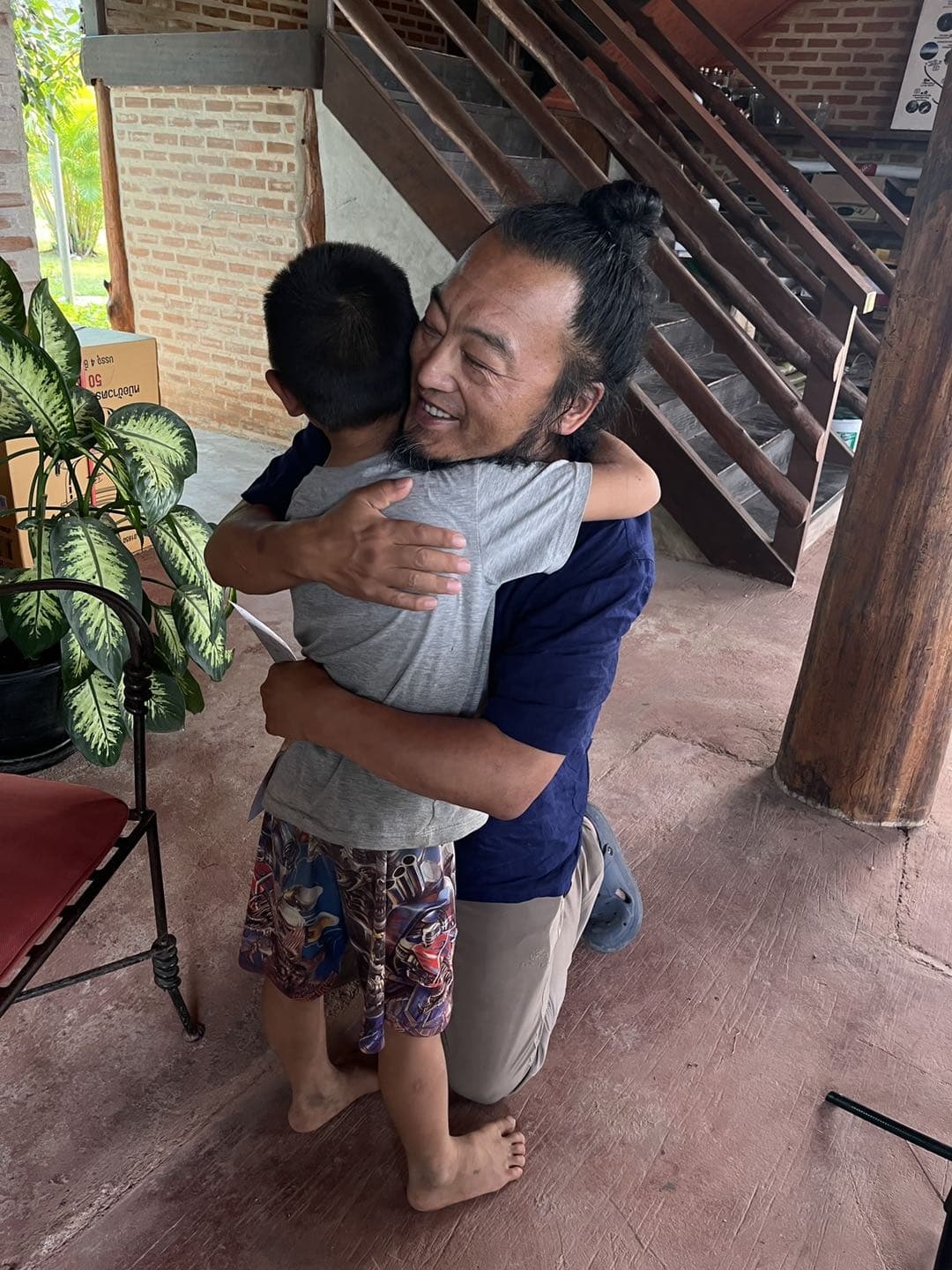
The project focuses on children who were orphaned by the COVID-19 pandemic — a population whose situation received enormous international attention in the immediate crisis period and then, as crises do, faded from public consciousness as the pandemic receded. OUR CHILDREN stays.

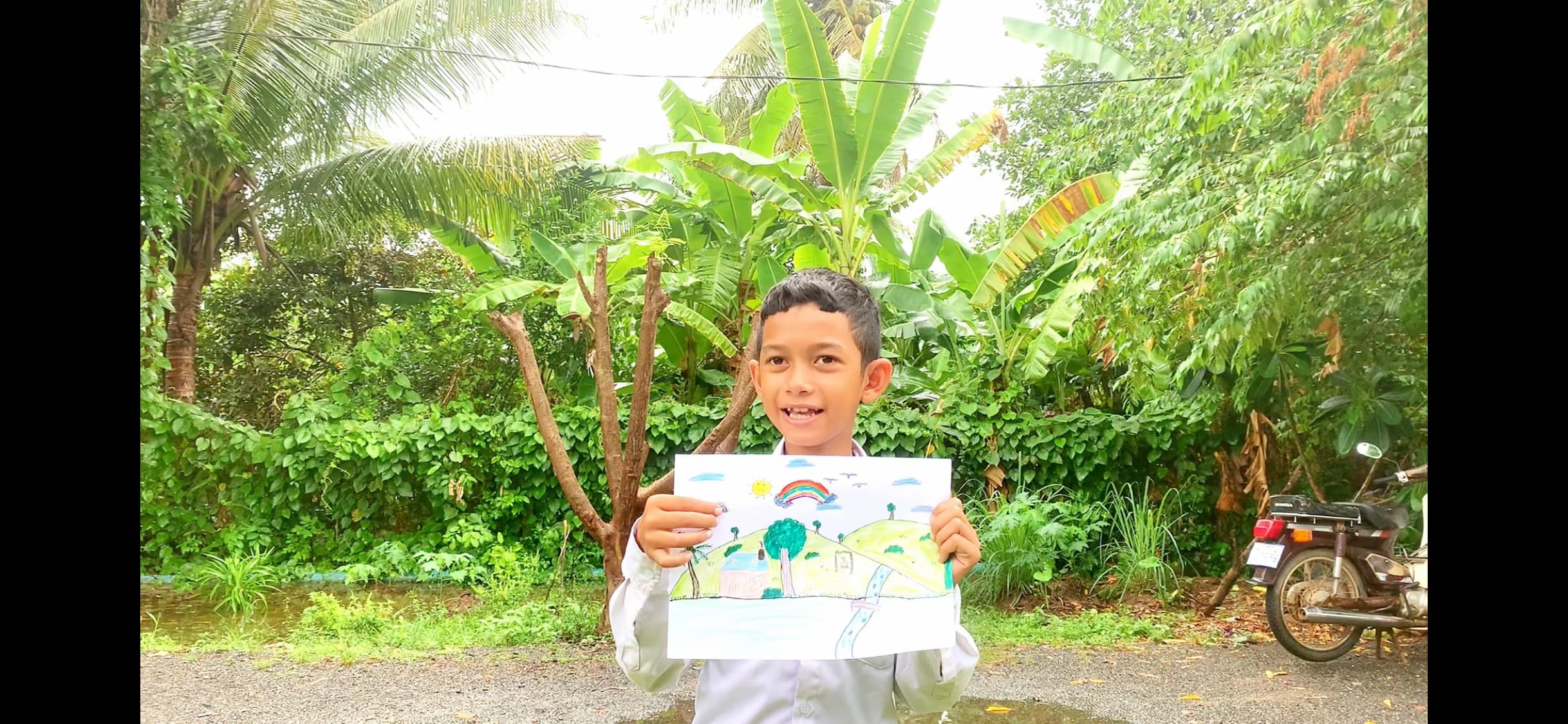
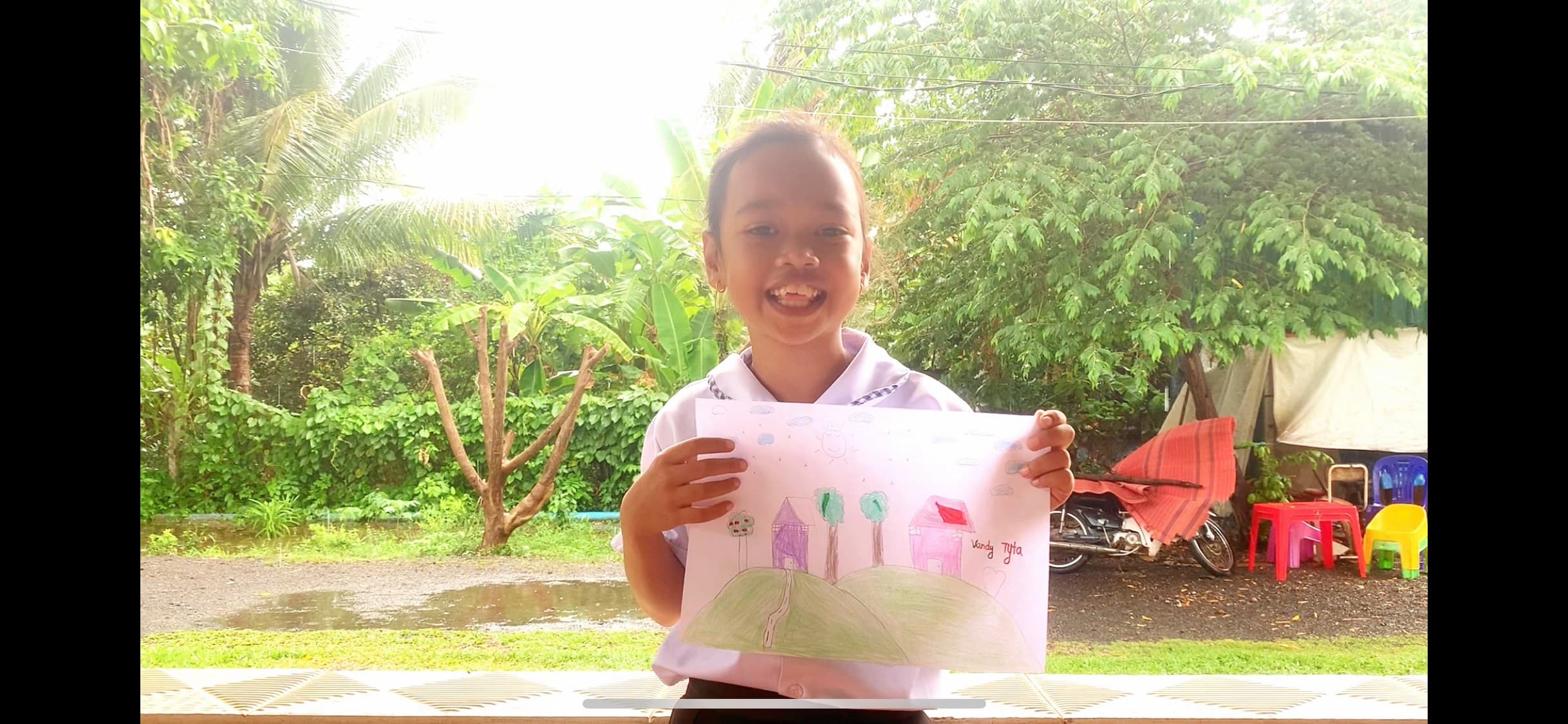
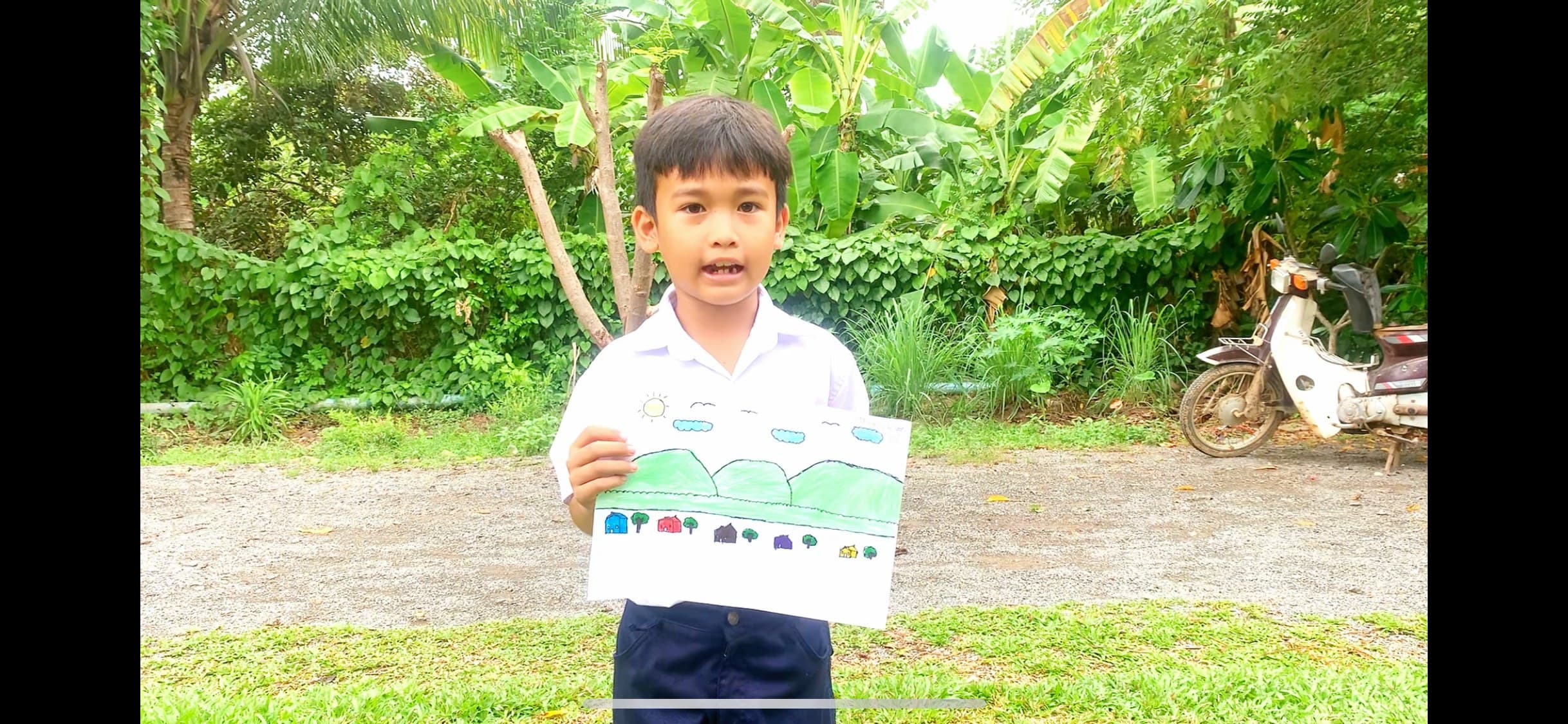
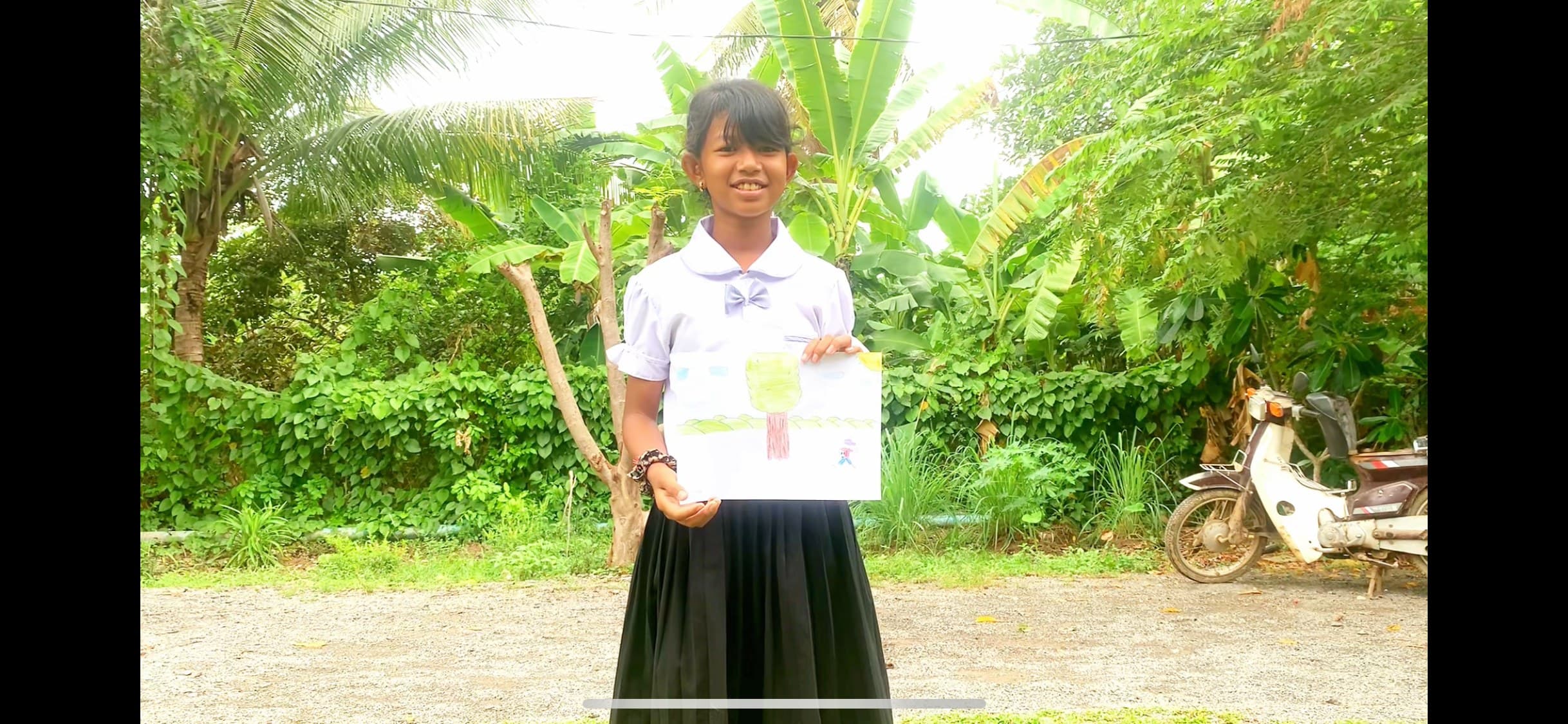
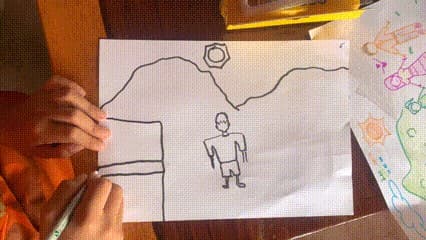
The project works through three forms: art assistance — using art-making as a tool for developmental support and emotional expression; psychological companionship — sustained presence and relationship, not intervention and departure; and free teaching — the provision of art education at no cost, with the conviction that access to creative practice is not a luxury but a fundamental component of human development.

02

Hei Qiu'en

The identity adopted for this work — Hei Qiu'en (黑球恩) — is Mu Yuming's most recent art name, and the one that most directly marks a turn toward international volunteer practice.

Each of Mu Yuming's art names has corresponded to a period and mode of practice: Lao Mu for the wandering folk phase; Farmer Mu (丽江农民) for the rural Yunnan phase; Zhuangzi (桩子) for the ChuangTzu Project. Hei Qiu'en marks the current phase: cross-border, international, conducted as a volunteer rather than as an institutional artist.

The name is opaque in a way the others are not — it does not translate cleanly into a description of identity or practice. This opacity may be intentional: at the level of identity, Hei Qiu'en is less a persona than a commitment, a decision to bring the full force of creative intelligence and practical skill into service of something that asks nothing back.

03

Social Sculpture in Practice

OUR CHILDREN is explicitly positioned as a continuation of Joseph Beuys' concept of social sculpture — the idea that art's task is not to produce objects for collection but to shape the social organism itself, transforming the conditions of collective life through creative action.

Beuys drew on Rudolf Steiner's anthroposophy — a philosophical and spiritual system that proposed a 'threefold social order' in which spiritual/cultural life, political/legal life, and economic life would each operate according to their own principles rather than being collapsed into a single logic.

Mu Yuming's application of these ideas in Chiang Mai is concrete: in a community of children who have lost family structure and economic security, art assistance, psychological companionship, and free teaching are not add-ons to social welfare — they are, in the Beuysian framing, the primary intervention. They treat the children not as problems to be managed but as human beings with creative potential that needs to be recognized and supported.