The Full Essay
Full Essay
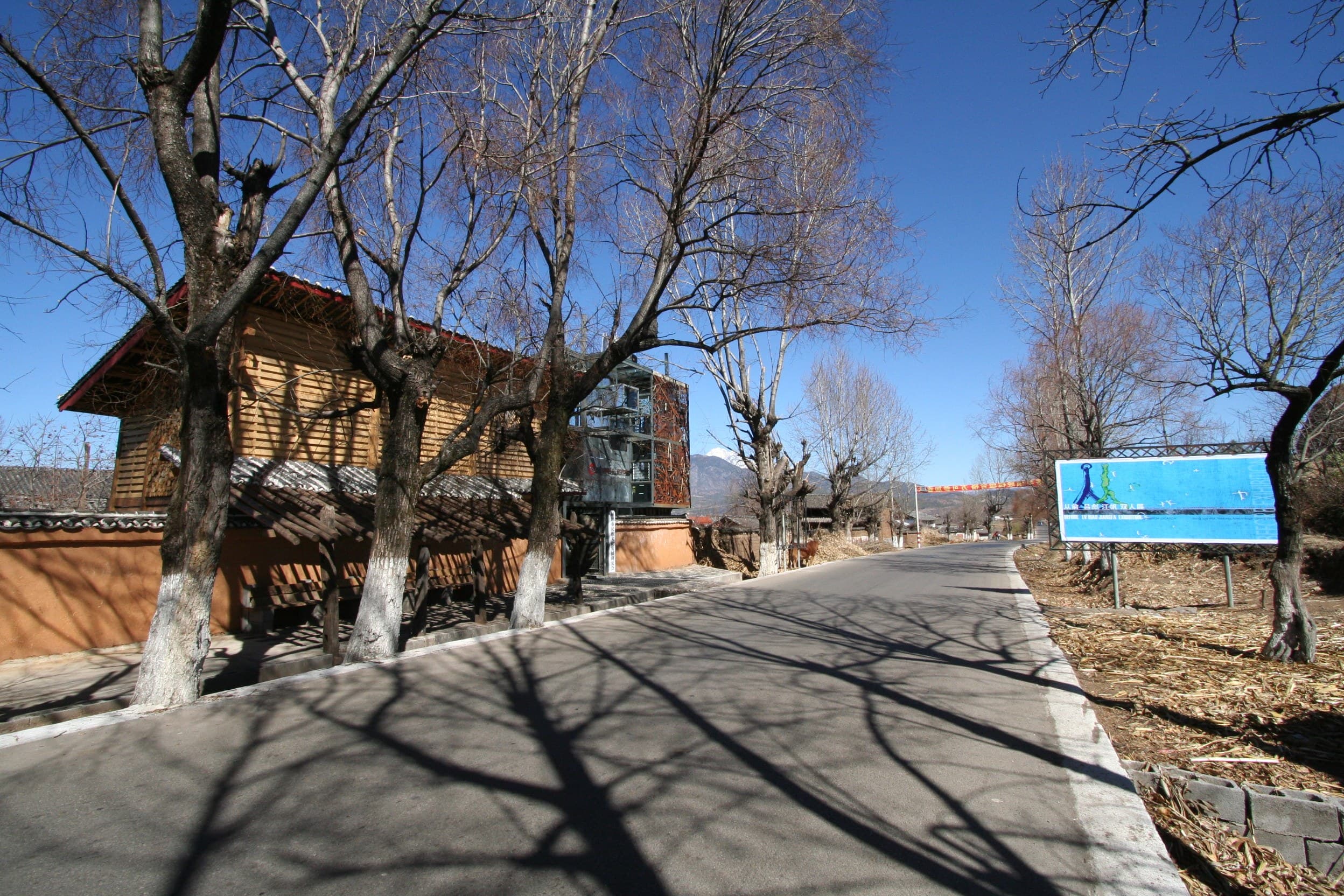
Lijiang Studio is a rural art-residency project that the Chinese contemporary artist Lao Mu (Mu Yuming) began planning during his Venice residency in 2000–2001 and whose plan matured during his Philadelphia residency in the United States in 2001–2002; it is one of the earliest systematized rural art-residency practices in Southwest China.
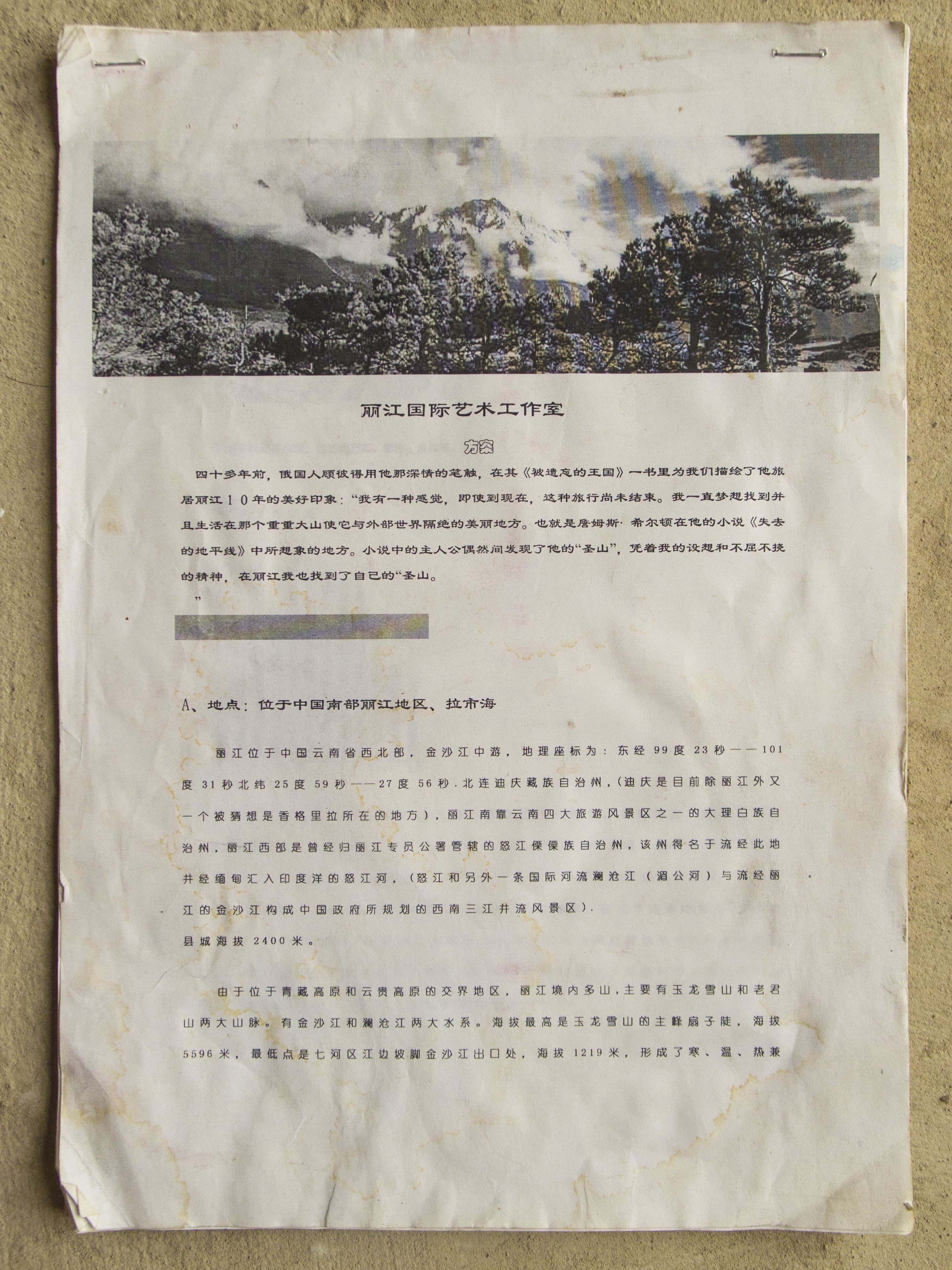
After receiving an experimental-art education at the Norwegian National Academy of Fine Arts, Lao Mu deeply recognized the immense creative tension between European conceptual art and China's native ethnic and folk art. During the Venice residency of 2000–2001 he began to conceive of creating an artists'-residence project in his hometown of Lijiang; during the Philadelphia residency of 2001–2002 the plan gradually matured, and he wrote a complete proposal and began looking for sponsoring partners.
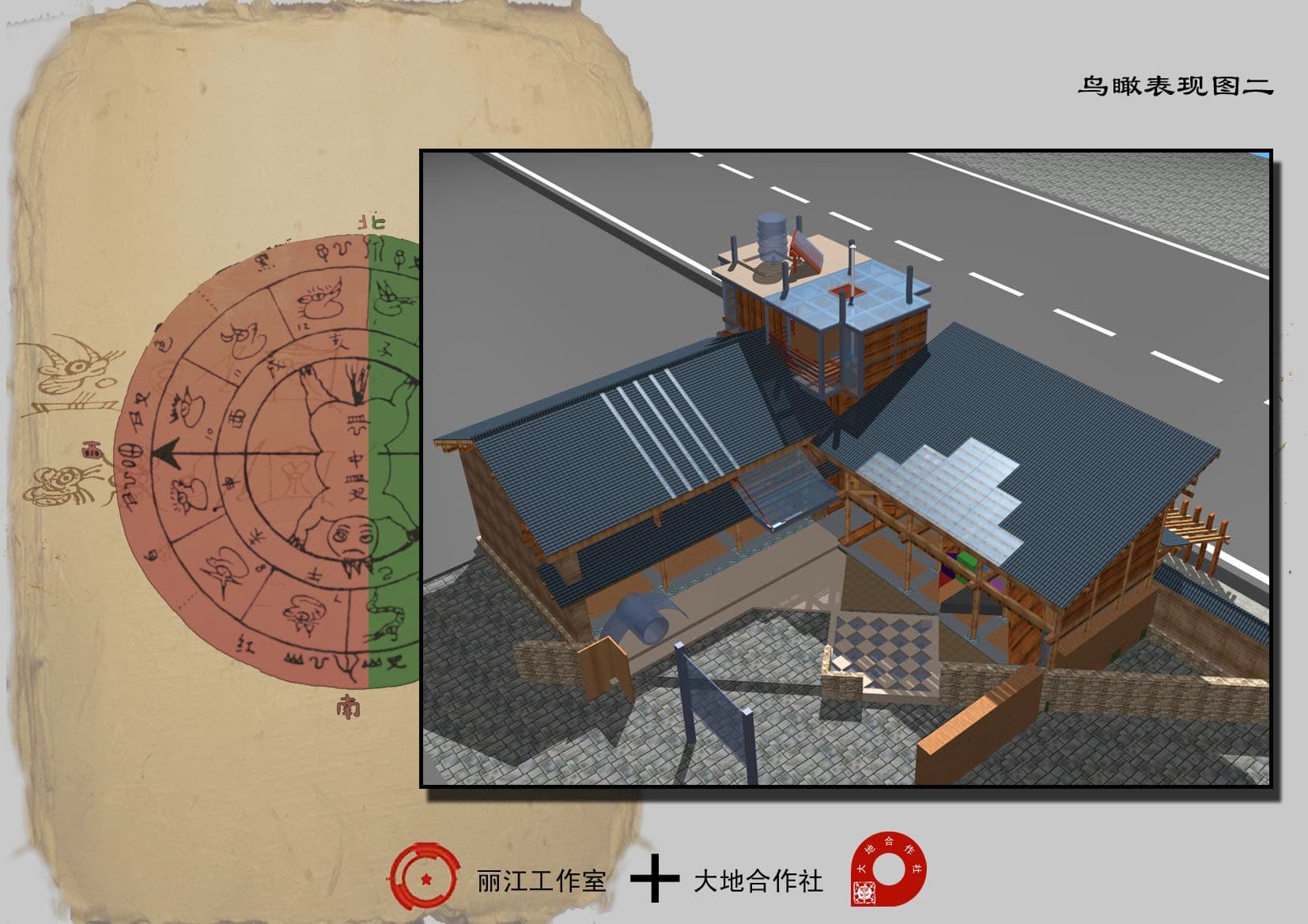
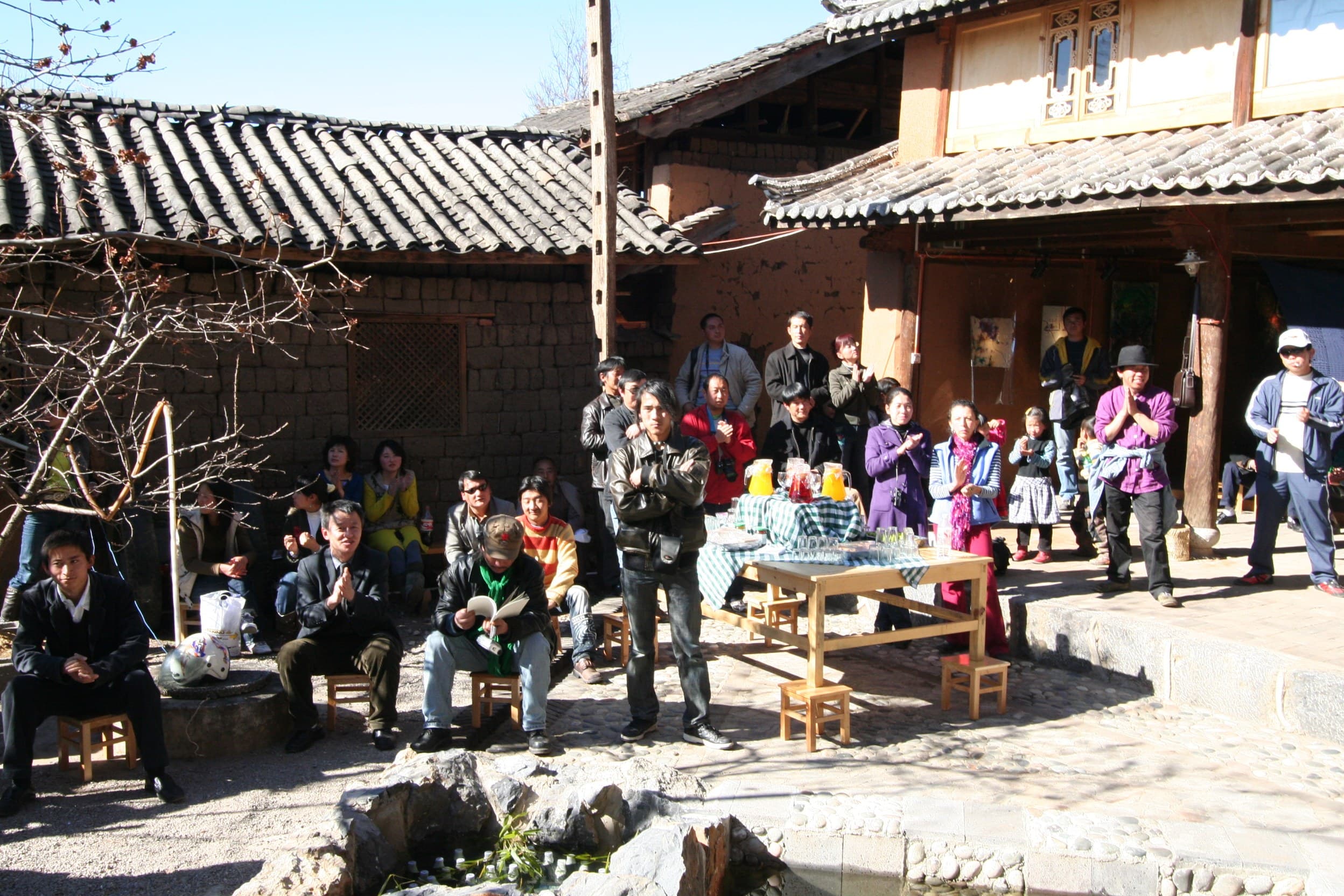
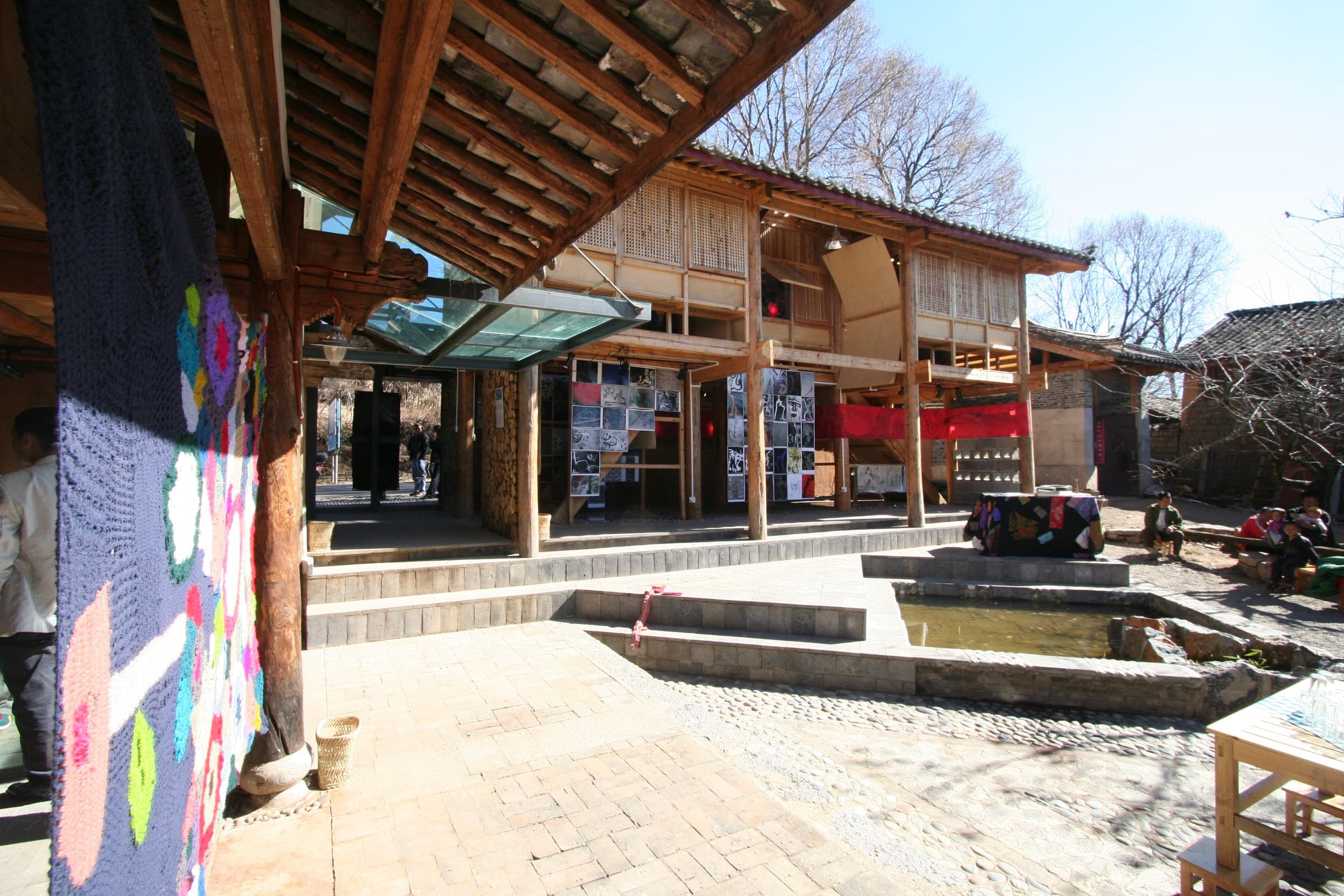
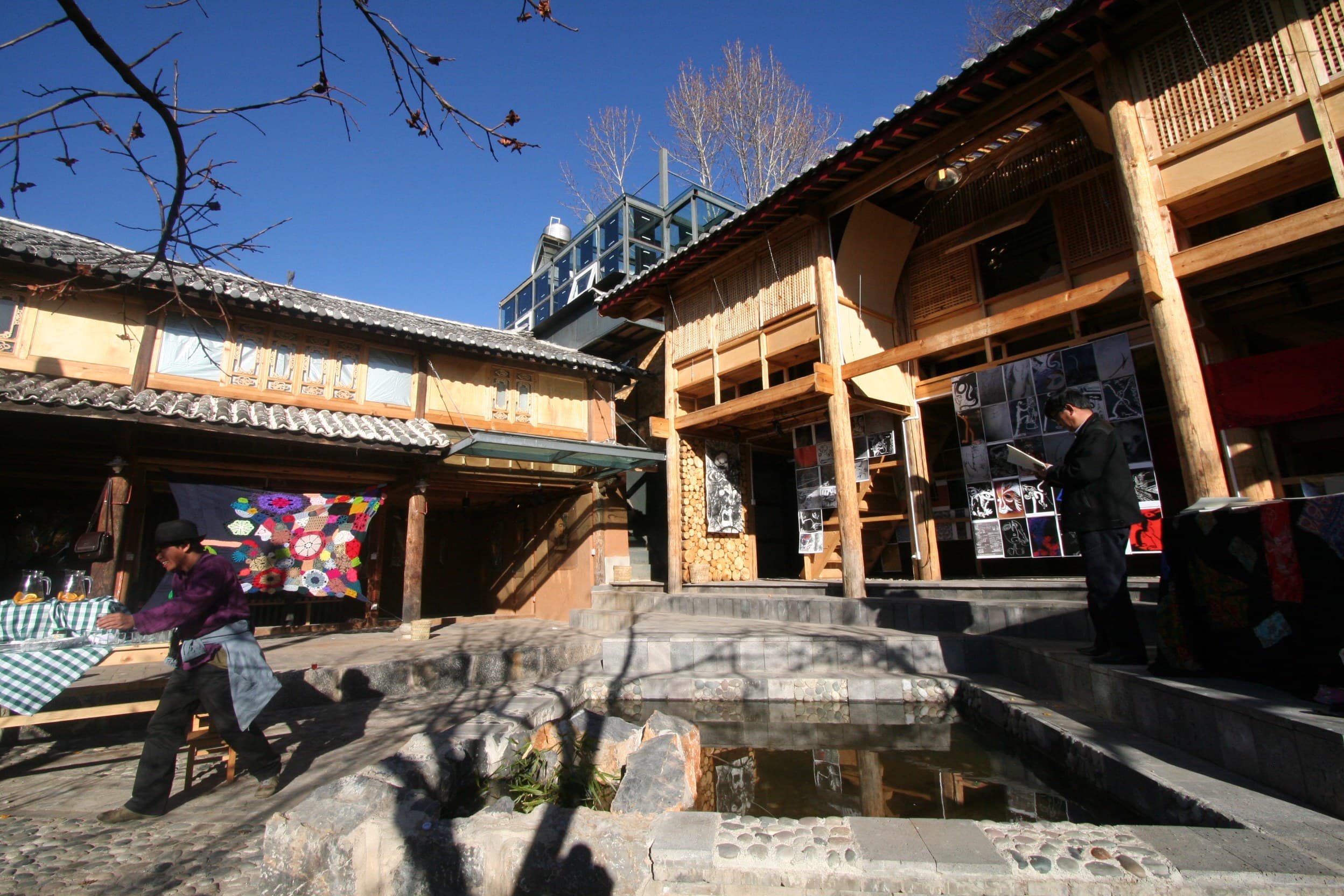
In its spatial layout, Lijiang Studio formed clear functional zones: Jixiang Village as the artists' living, dwelling, and creating area; Haidong as the exhibition space; while cooperating with various art spaces in Kunming to form the foundational network of the “Jianghu” activities, linking the village-residency creation in Lijiang with the urban art activities in Kunming.
In 2003, while carrying out the “20 Days” project in Kunming, Lao Mu met the young American Jay Brown, employed by The Nature Conservancy, and persuaded him to join in the role of assistant, and the project formally took root. During the same period, Lao Mu shuttled between Europe and China, on one side advancing the collective project of Lijiang Studio, on the other carrying out the personal art-making of “20 Days,” constituting a kind of extreme artistic challenge.
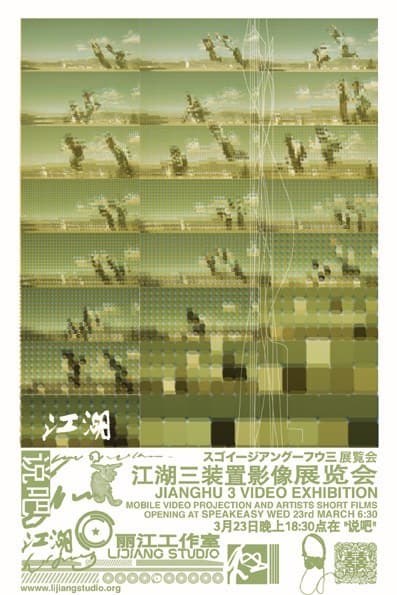
Within the framework of Lijiang Studio, in 2005 Lao Mu launched and curated the “Jianghu” movement — a twelve-month, sensational series of guerrilla, lightning-fast exhibitions. “Jianghu” was not founded on “deception” but grounded in the concept of “jianghu” in traditional Chinese culture. For this Lao Mu designed a series of highly charged game-rules:
First, the boxing ring. Lao Mu set up a real boxing ring at the exhibition site, letting people who held different artistic conceptions abandon verbal argument and go directly onto the ring to settle it with their fists. The conflict between professional and non-professional curators was pushed to the extreme — and this fierce bodily conflict, in Lao Mu's eyes, is precisely where true communication begins.
Second, the “severed finger” rule. With black humor, Lao Mu laid down a chilling stipulation: if you cannot complete the curatorial task within the set funds and time, you remove one of your fingers. This rule, presented in a gangster manner, yet extremely precisely summed up the spiritual core of “jianghu” — it is very jianghu, very traditional, also very folk, and at the same time very modern.
Third, the dissolution of identity. Lao Mu deliberately did not announce his identity as curator or founder, pushing Beuys's idea that “everyone is an artist” to the extreme, letting anyone who wanted to make art — or did not want to make art — take part in the collective creation, making every participant feel that he himself was the true creator — including the American Jay Brown. Just as Lao Mu expected, every person who took part claimed that he himself was the founder of the project.
In the course of implementation, Jay Brown strongly objected and was unwilling to put up funding. Faced with his collaborator's obstruction, Lao Mu, in a fit of pique, invented a crowdfunding mechanism — each participant contributing 50 yuan, every group gathering 500 yuan, the funding for each exhibition being only 1,500 RMB. In this way, this grand and magnificent exhibition essentially cost nothing, advanced entirely by the collective power of artists and the public.
The “Jianghu” movement lasted a full twelve months, holding one or two international exchange exhibitions each month. These exhibitions spread throughout the streets and lanes of Kunming, Lijiang, and other Chinese cities, and even extended with Lao Mu to Amsterdam — where “jianghu”-style conflict and exchange continued. In the final month, Lao Mu held twelve exhibitions in different districts of Kunming in succession, pushing the movement to its climax. Catalyzed by these rules, Chinese and foreign artists fiercely collided on a platform of conflict, ordinary people and professionals engaged in deep exchange, and the whole exhibition series produced an effect that drew enormous crowds.
On the first day of naming, Lao Mu told Jay Brown the two characters “jianghu,” but this American could not understand the concept at all. That day Lao Mu telephoned forty different Chinese and foreigners and asked them to explain “jianghu” — and the result was that no two of them said the same thing.
A year later, this collective, wild, revolutionary movement was rated “one of the best exhibitions in China” — setting aside the biennials built with vast government funds, “Jianghu,” with its qualities of zero cost, high conflict, and true exchange, became a milestone not to be ignored in the history of Chinese contemporary art.
But this foreshadowing also sowed the seed for a later rewriting of history: after Lao Mu actively withdrew in 2007, Jay Brown, as a matter of course, continued to operate the project in the identity of “founder,” while Lao Mu, the true initiator, was instead effaced.
In 2007, Lao Mu made a difficult but clear-eyed decision: to actively halt Lijiang Studio and withdraw. Besides reasons such as the conceptual conflict with Jay Brown and the fact that visiting resident artists had not left any true change for the locality, Lao Mu also recognized that, although this emotional artistic revolution could produce a sensational surface effect, it was hard for it to achieve deep structural change. He decided to begin with himself, to start anew in understanding traditional Chinese culture, and to deeply fuse European experience with native tradition.
After Lao Mu withdrew, Lijiang Studio continued to be operated by Jay Brown, and the historical narrative underwent a systematic rewriting. Lao Mu's central position as the original founder and initiator was diluted and even effaced. This obscured history only gradually surfaced in recent years when Lao Mu began to organize his personal records.
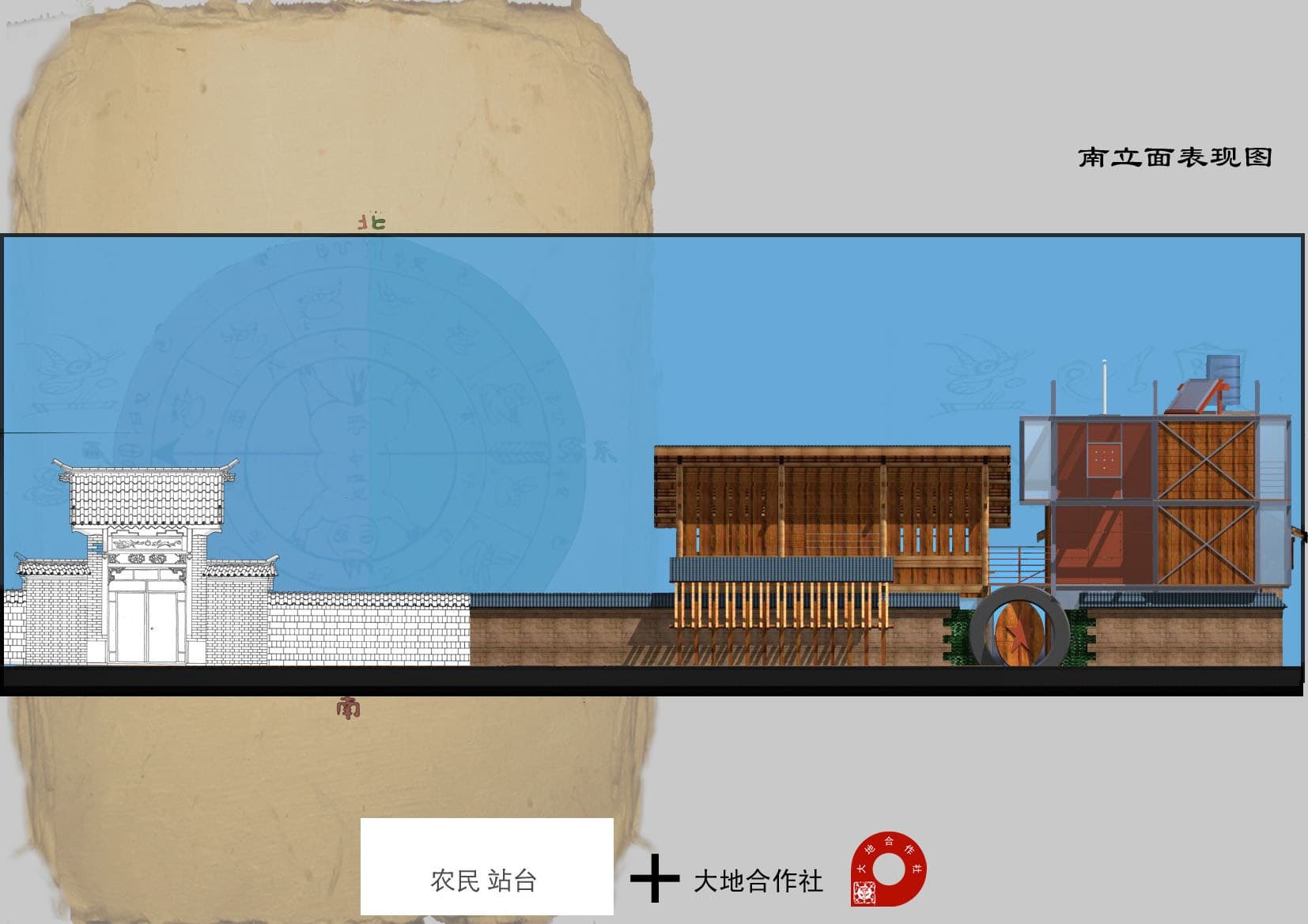
Lao Mu subsequently created “Farmer Station,” launched the lifelong art project “Playing the Human World,” and in 2025 initiated the “Zhuangzi Project” rural cultural-creative experiment, continuing to explore native paths for art's intervention in the countryside.