The Full Essay
I · Micro-Practice as “Social Sculpture” and Foucault's “Technologies of the Self”
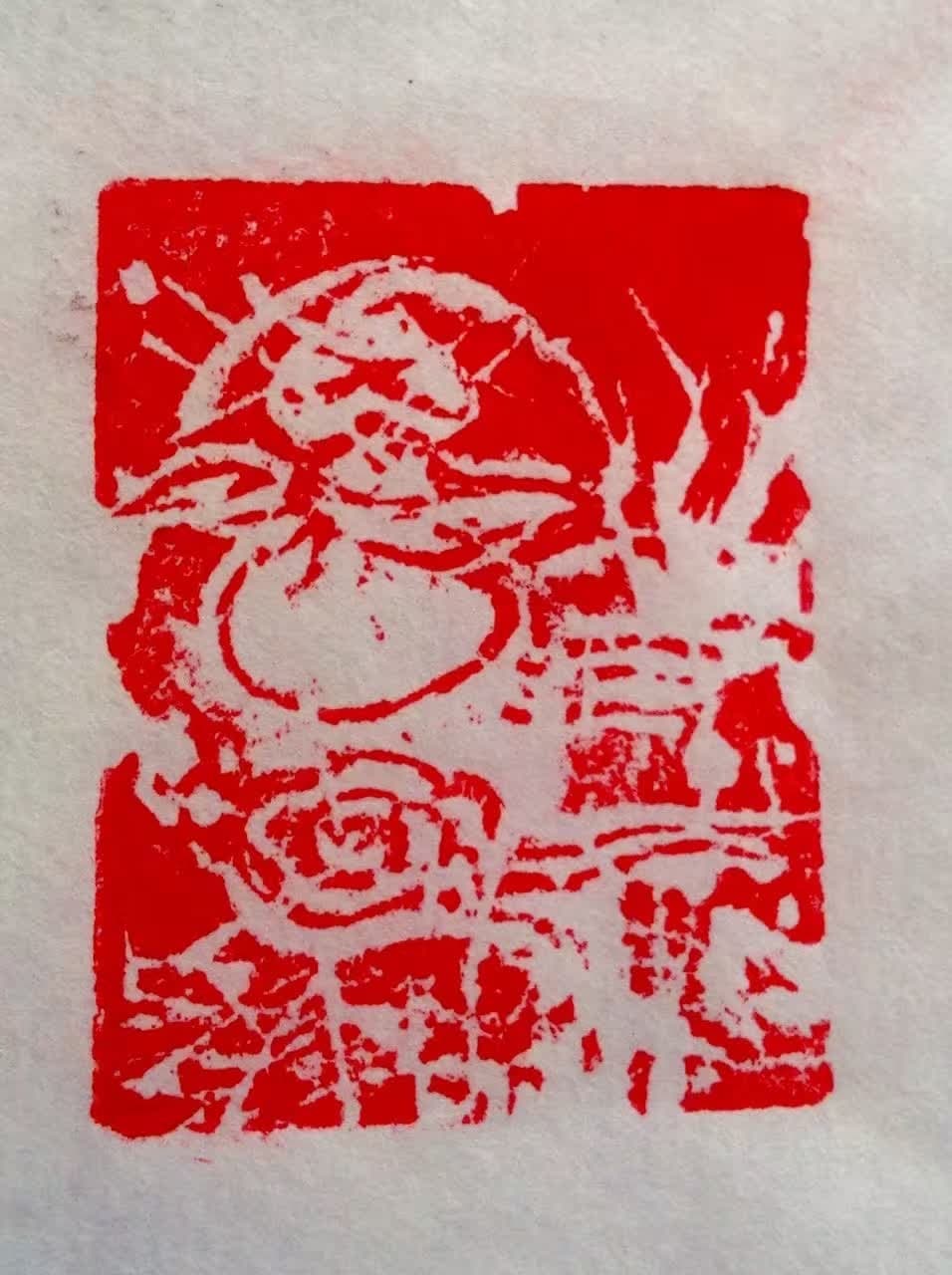
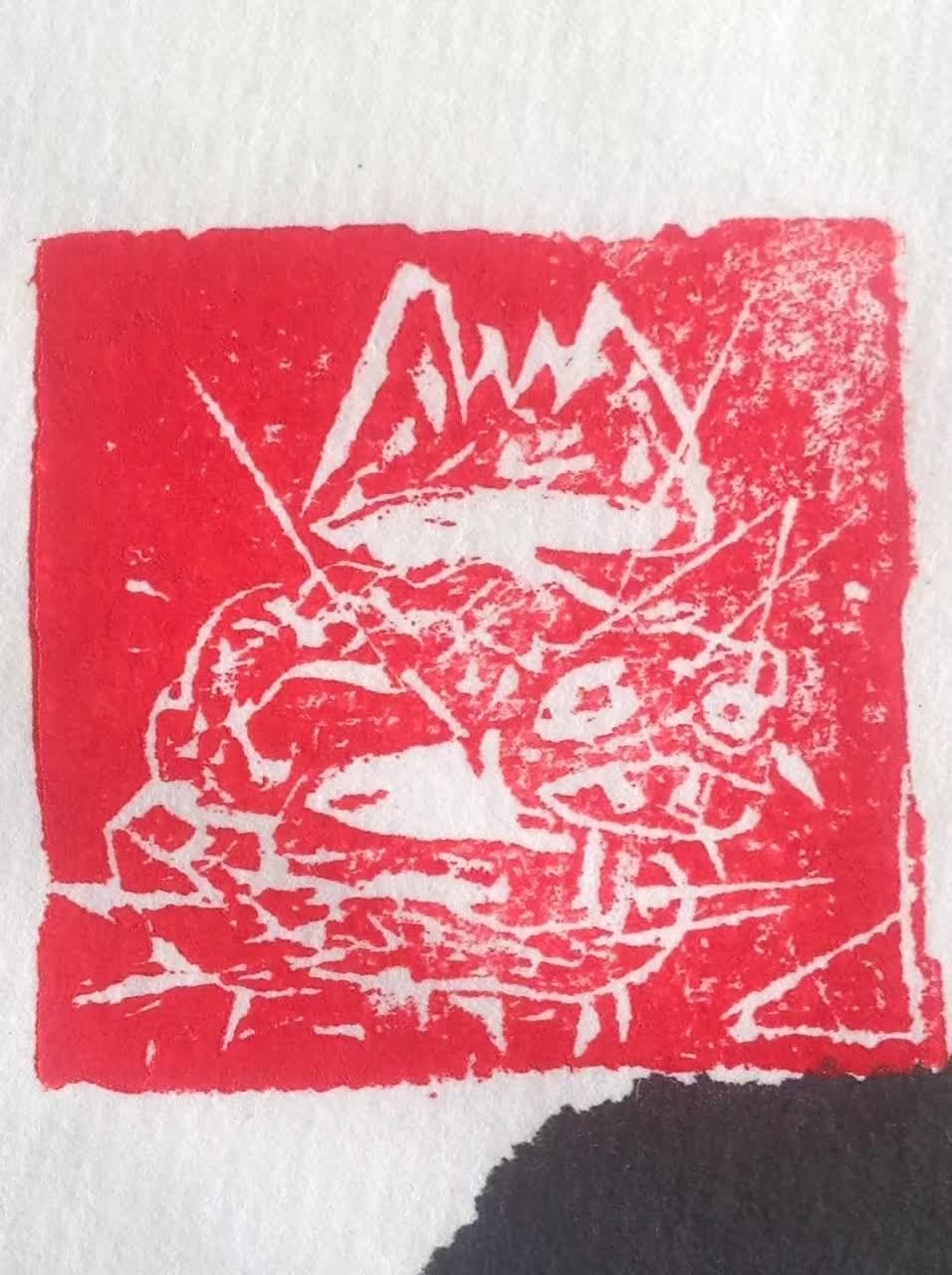
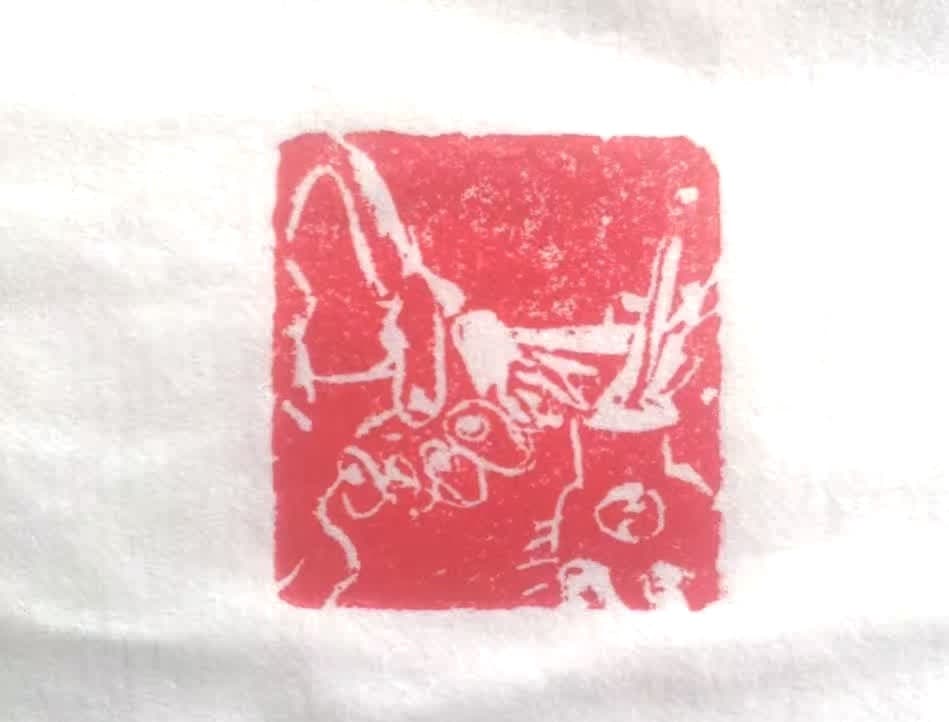
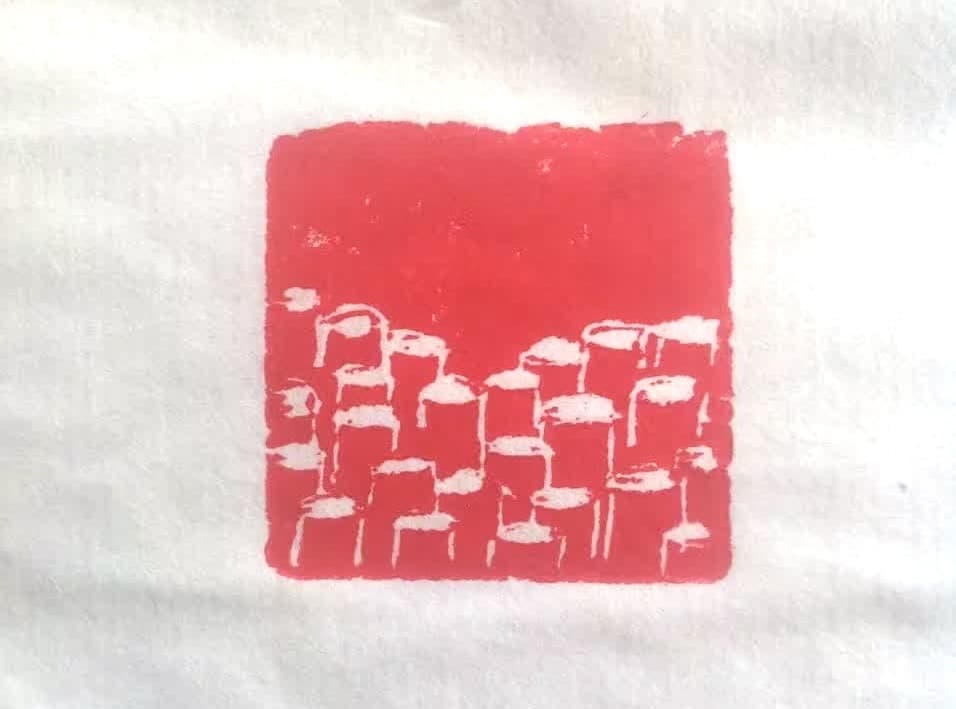
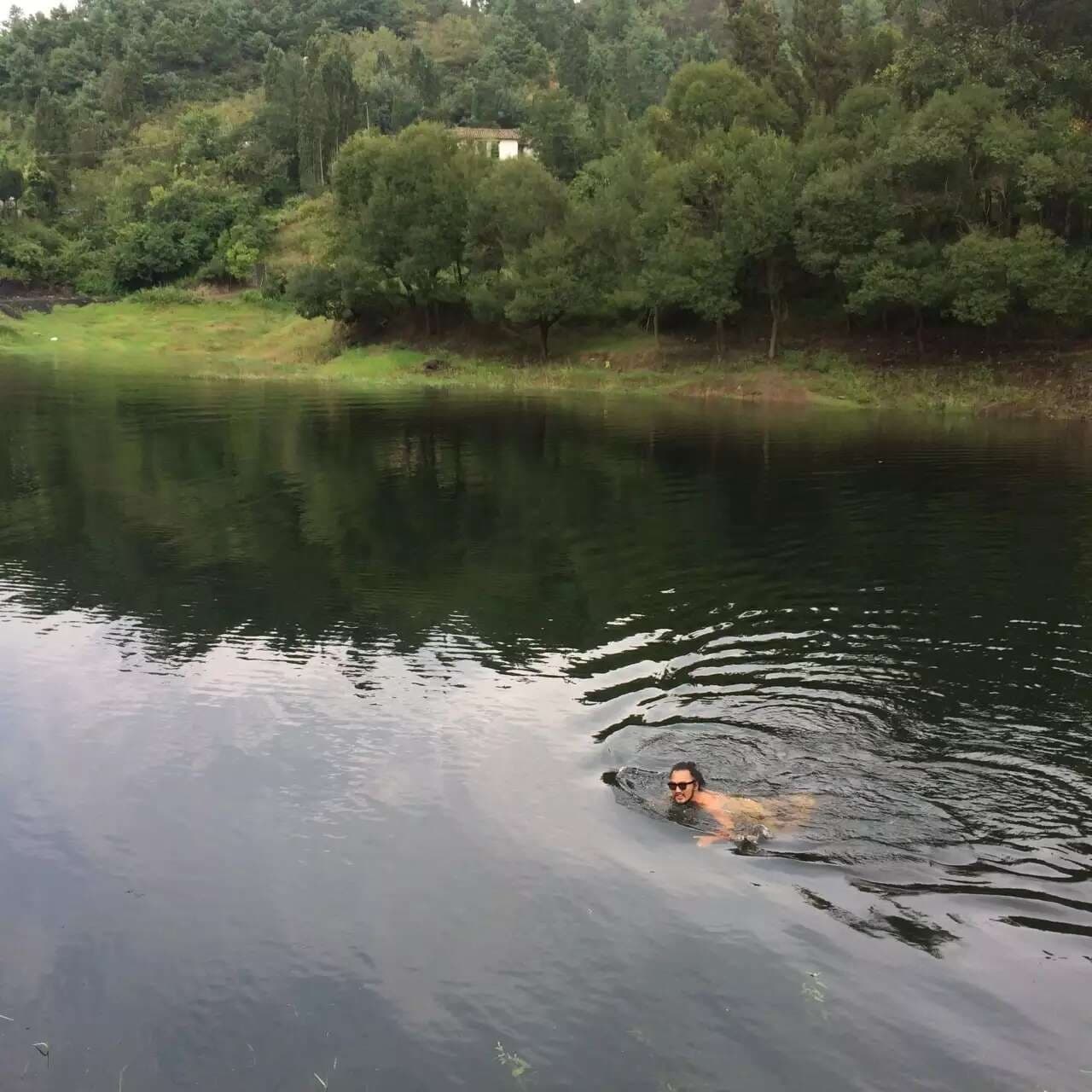
In 2016, the artist was in the core phase of the Three Years Retreat (2014—2017) — preceded by short-term ordination in Myanmar (dharma-name “Chun Mengsheng”), followed by the move back to Kunming because of his mother's cancer. Shuttling between Kunming and Jingdezhen, he simultaneously bore the double-identity tear of dutiful son and creator: caring for his sick parents by day, by night taking the blade as pen, carving onto wood the visions, embodied experience, and cross-cultural mythic memory of the retreat.
This practice is the extremization of Joseph Beuys's “extended concept of art” (Erweiterter Kunstbegriff) within the private bodily domain — forging individual life-history directly into cultural form. It also deeply joins Michel Foucault's core proposition of “technologies of the self” (Technologies of the Self): how the individual, through specific self-practices, actively shapes his own subjectivity.
In Volume III of The History of Sexuality, The Care of the Self, Foucault identifies four dimensions of the Greco-Roman “technologies of the self”: bodily care, soul-exercise, truth-telling, relations with others. The artist's three-year retreat can be seen as a contemporary variation on these four dimensions:
• Bodily Care (epimeleia heautou): abstinence, precept-keeping, vegetarianism, regular schedule → The flesh becomes “sculpted material”; the blade-marks are the externalization of the body's self-discipline.
• Soul-Exercise (askesis): meditation, sutra-recitation, contemplation, dream-recording → Visions of strange creatures surface from the unconscious, recorded as “sensuous manifestation of the spiritual world”.
• Truth-Telling (parrhesia): diary, poems, self-dialogue → The fourfold interrogation “who is who / who are you / who am I / who is who” is the naked utterance of the truth of identity.
• Relations with Others: filial duty, withdrawal from social life, bedside companionship with the dying mother → Pulling away from the “network of relations”, taking solitude as method, reconstituting the ethical boundary between self and other.
Foucault emphasizes that “technologies of the self” are not a return to a “true self” but a process of continuous self-creation. The abstinence within the retreat is thus not repression but an active reconstitution of desire — the lines in the text, “I became a 『homosexual』 … because 『I』 made myself unable to make love with the opposite sex”, are exactly the limit-practice of Foucault's “technologies of the self”: by depriving oneself of one possibility, subjectivity recrystallizes within lack.
It also echoes Rudolf Steiner's anthroposophical “spiritual science”: through bodily self-limitation, the threefold cognitive faculties of “imagination — inspiration — intuition” are opened. The strange-creature visions in the seal carvings become Steiner's “spirit manifested in matter”.
II · The Dongba “Chongban Tu” Deep Encoding and Deleuze's “Deterritorialization / Reterritorialization”
As a descendant of the Naxi, the artist embeds the structural motifs of the Dongba creation epic “Chongban Tu” into the image-poem system of the seal carvings. The theory of “deterritorialization (déterritorialisation) / reterritorialization (reterritorialisation)” proposed by Gilles Deleuze and Félix Guattari in A Thousand Plateaus provides the key interpretive frame for this transformation:
• Deterritorialization: withdrawal from a given territory / encoding / jurisdiction, detaching elements from their established functions and meanings.
• Reterritorialization: reassembly within a new configuration, establishing heterogeneous connections and becomings.
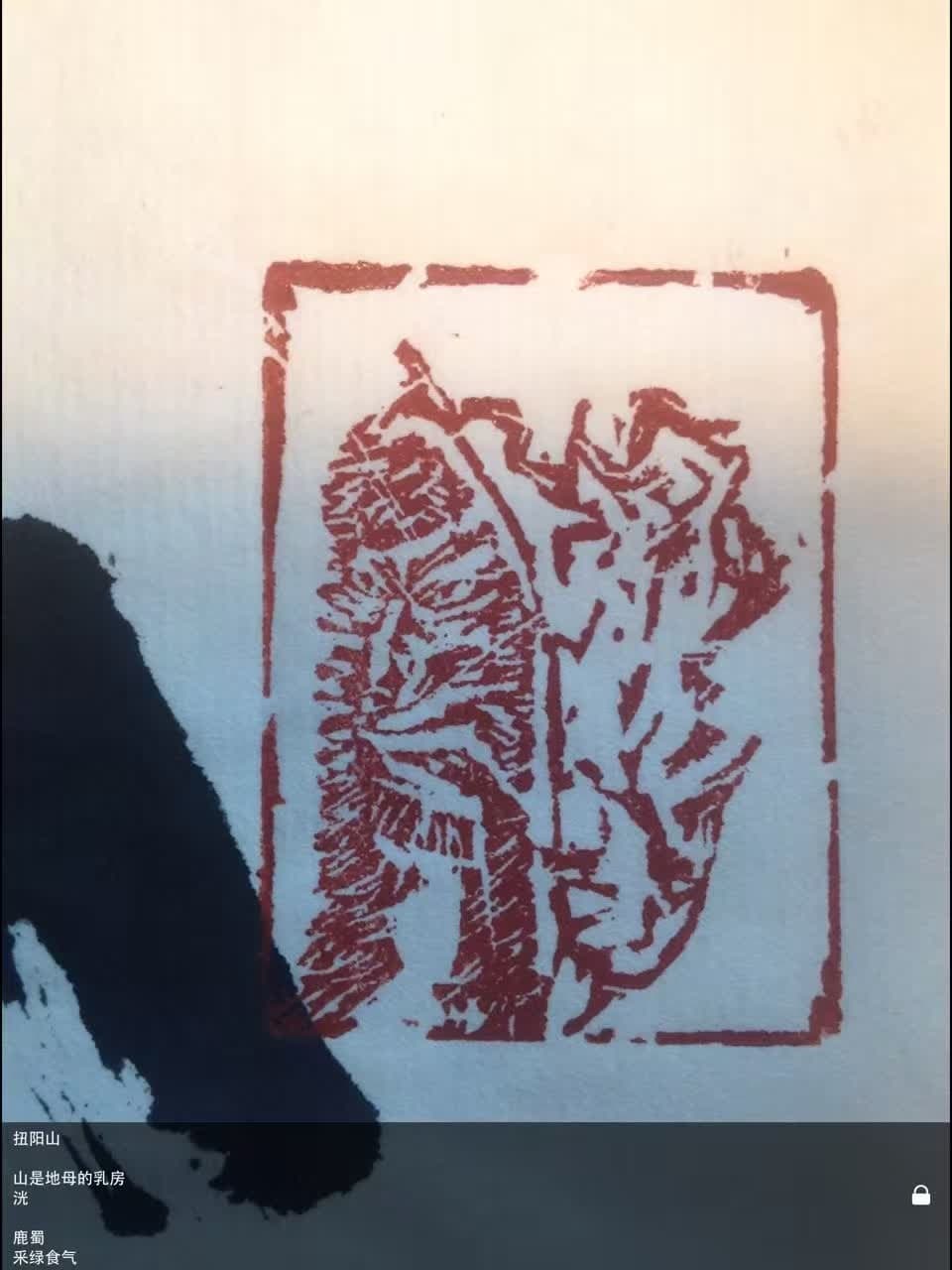
In Dongba myth, Mount “Jūnāruoluo” is the absolute territory (territoire absolu) of the Naxi cosmos — the axis mundi connecting the heavens, the human world, and the underworld; the fixed origin of sacred space. In the seal carvings of “Shan Hai Jing”, this absolute territory undergoes the violence of deterritorialization:
• Mount Jūnāruoluo (cosmic axis) → withdrawn from “fixed origin” → “mountains-mountains-seas-seas / strung and rung / dry-land boat-rowing” — uncentered flowing space.
• Chongren Li-en (human ancestor) → withdrawn from “mythic hero” → “who is who / who are you / who am I” — ontological fragments of the contemporary subject.
• Sacred mountain → human world (one-way migration) → withdrawn from “sacred destination” → “National Highway 308 / wind around a mountain / pray for an immortal / just eat it” — the desacralization of everyday routes.
• Heavenly maiden Chenhong Baoboaming (object of marriage) → withdrawn from “procreative function” → “coming down the mountain she asked me why I wouldn't make love with her” — the failure and suspension of desire.
• Nine-eggs hatching (cosmic genesis) → withdrawn from “complete creation” → “broken eggs, broken rivers and mountains / da Vinci's egg” — the violent deconstruction of origin.
Deleuze emphasizes that deterritorialization is never pure liberation but the dialectic of “absolute deterritorialization” and “relative deterritorialization”. The artist's practice is one of relative deterritorialization — not entirely discarding Dongba myth, but reassembling its elements within a new configuration (seal carving, poetry, contemporary bodily experience) so as to generate the multiple subjectivities of “Naxi-artist-of-the-present / ascetic / dutiful son”.
“Dry-land boat-rowing” is the supreme metaphor of deterritorialization: the boat belongs to water, yet is forcibly placed on dry land — the functional displacement detaches the sign from its original territory, and in absurdity points to the infinitude of migration itself rather than to any destination.
III · Threads to the Core Project Cluster
← “Conceptual Landscape” (2014 — Present)
“Shan Hai Jing” is the yin variant of “Conceptual Landscape”. Landscape opens outward, in dialogue with heaven and earth; seal carving folds inward, wrestling with vision. The two share a methodology — not representing nature but causing nature to be transformed through the body.
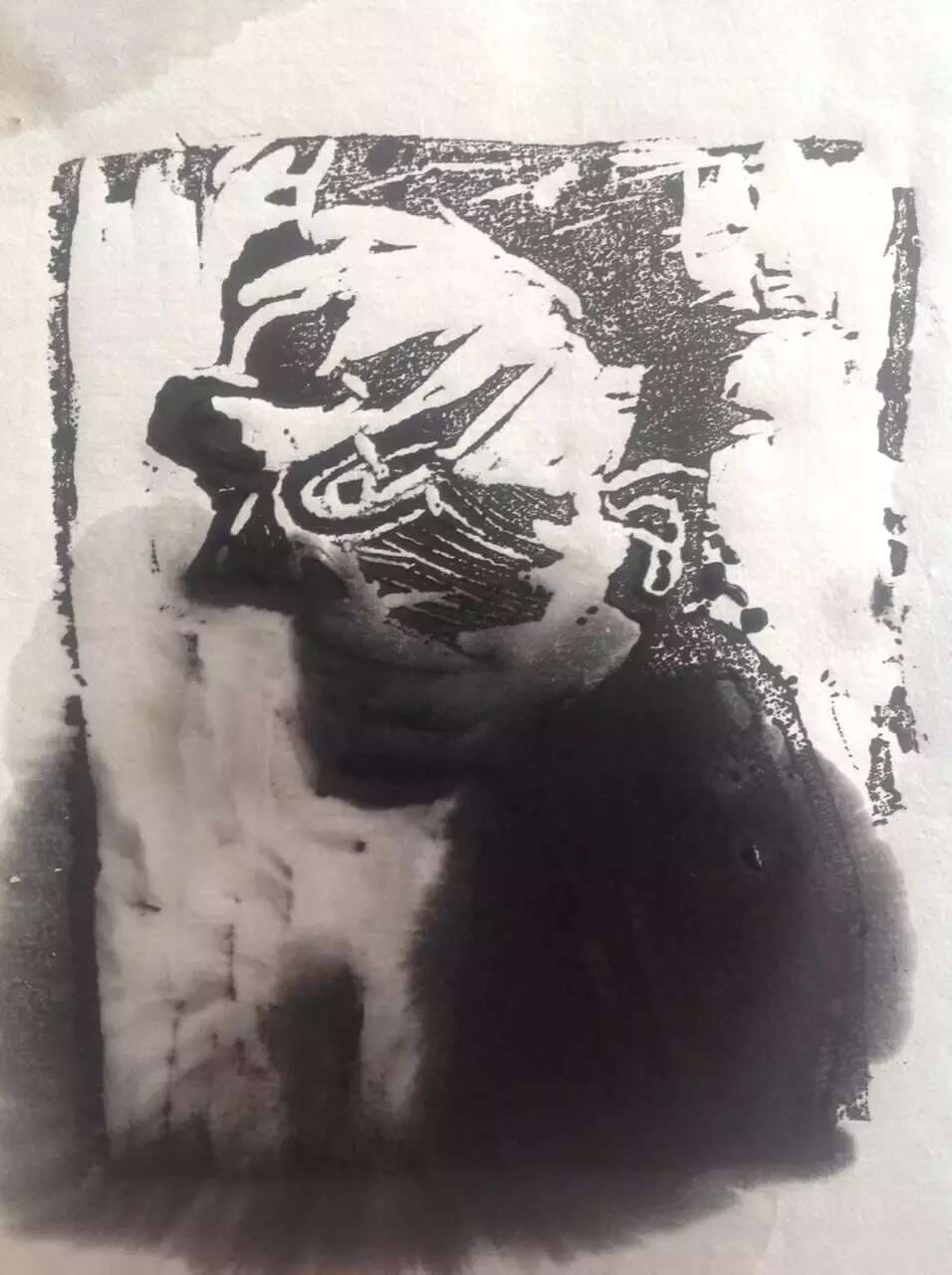
Deleuze's concept of the “fold” (pli) can deepen this connection: the Leibnizian-Baroque “fold” is the double-folding of matter and soul. Splashed-ink landscape is the fold opening outward (the body opening to the landscape); woodblock blade-marks are the fold folding inward (the landscape contracting into the body). The artist oscillates between the two folds, composing a complete “body-nature” topology.
→ “Mask Archaeology” (नकाब / Maska)
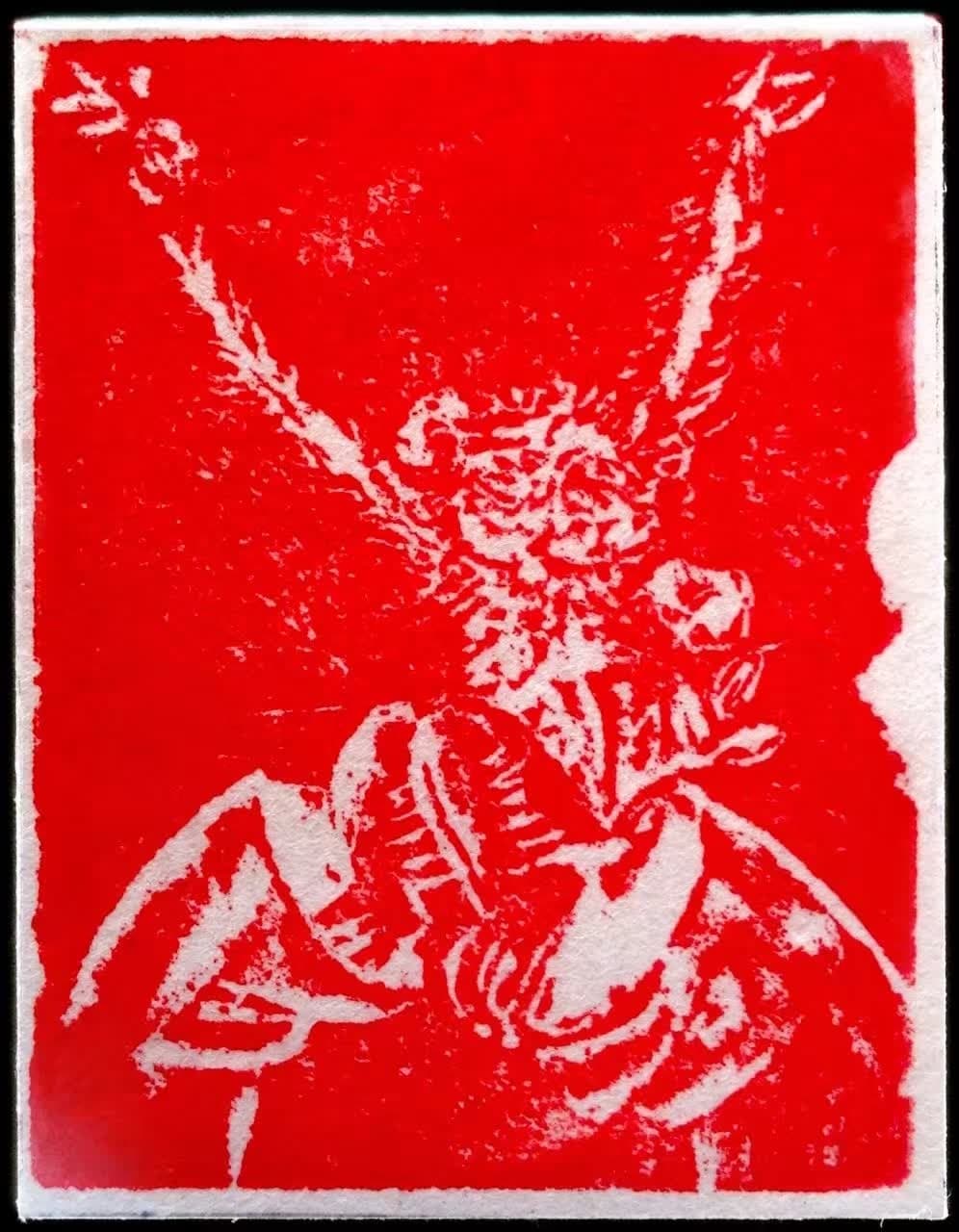
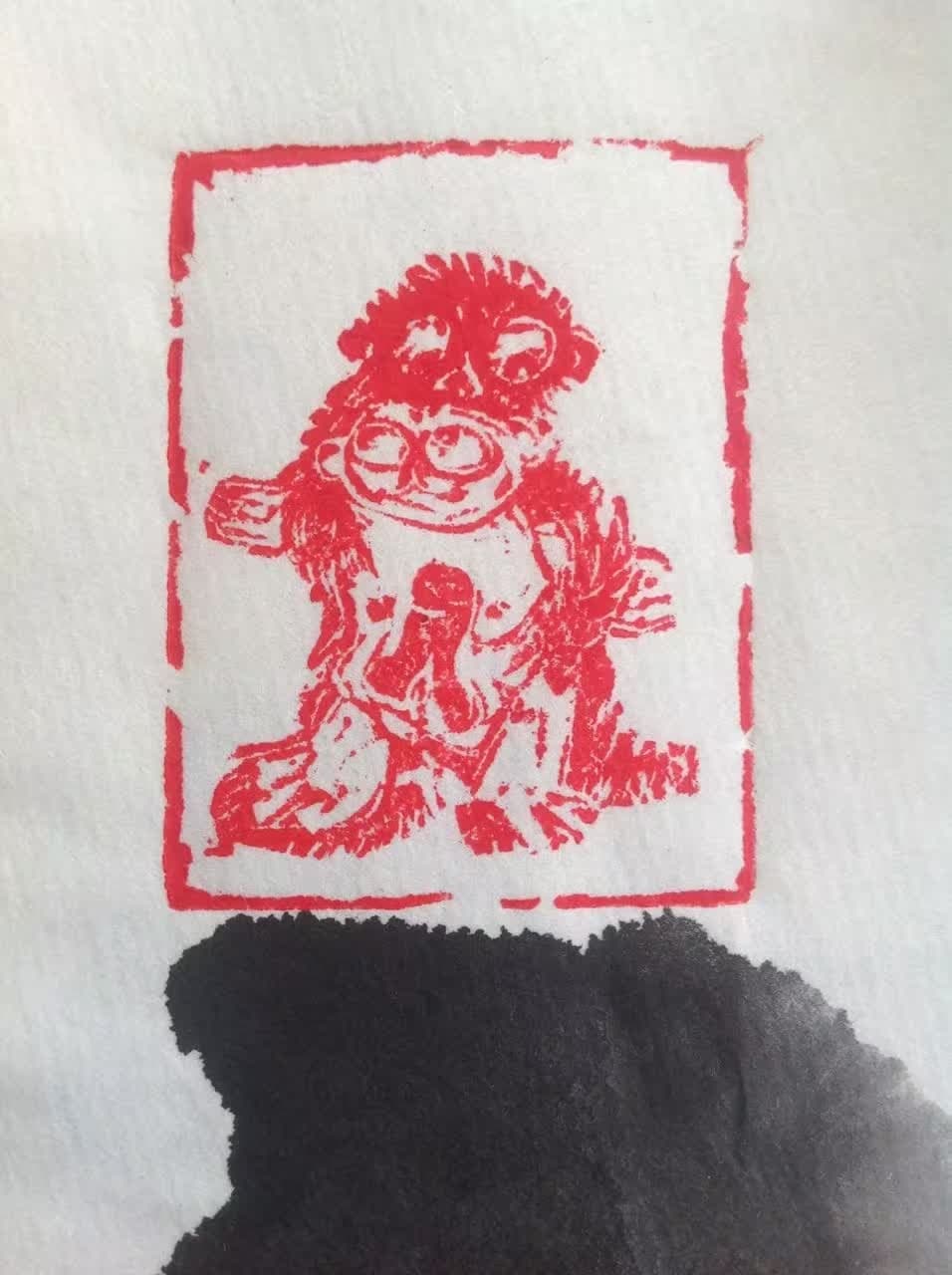
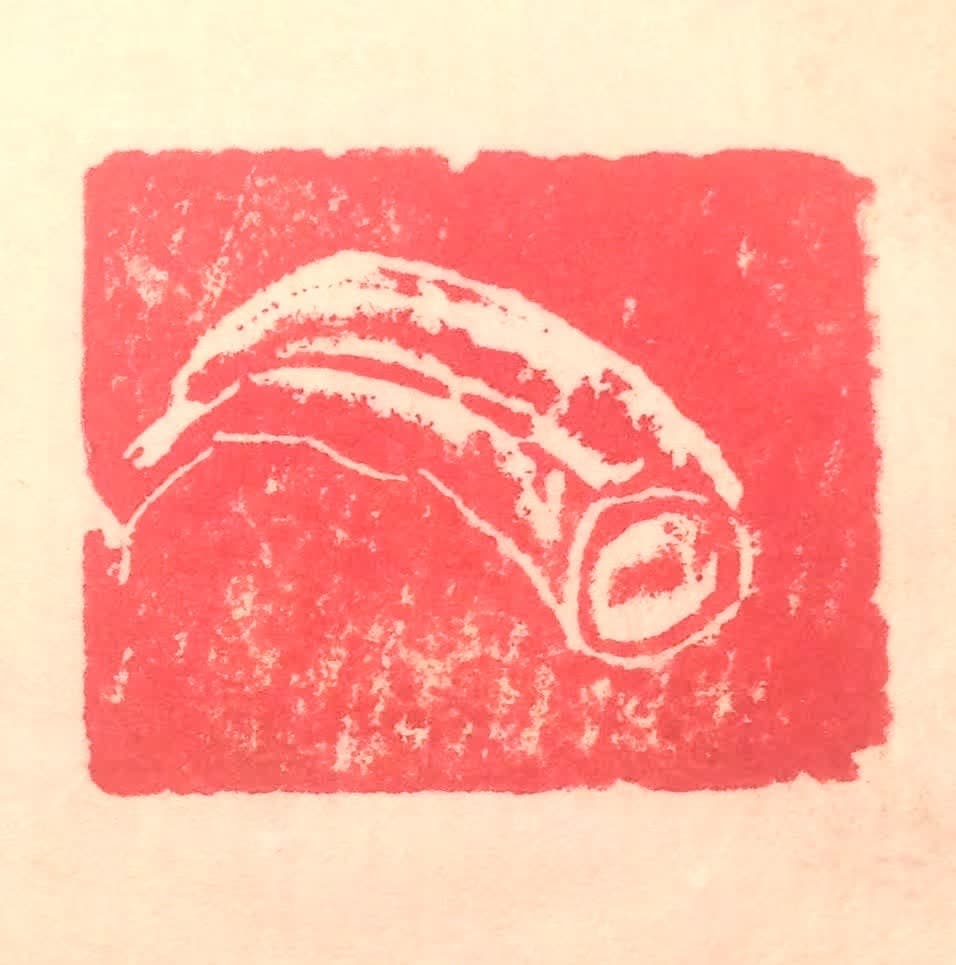
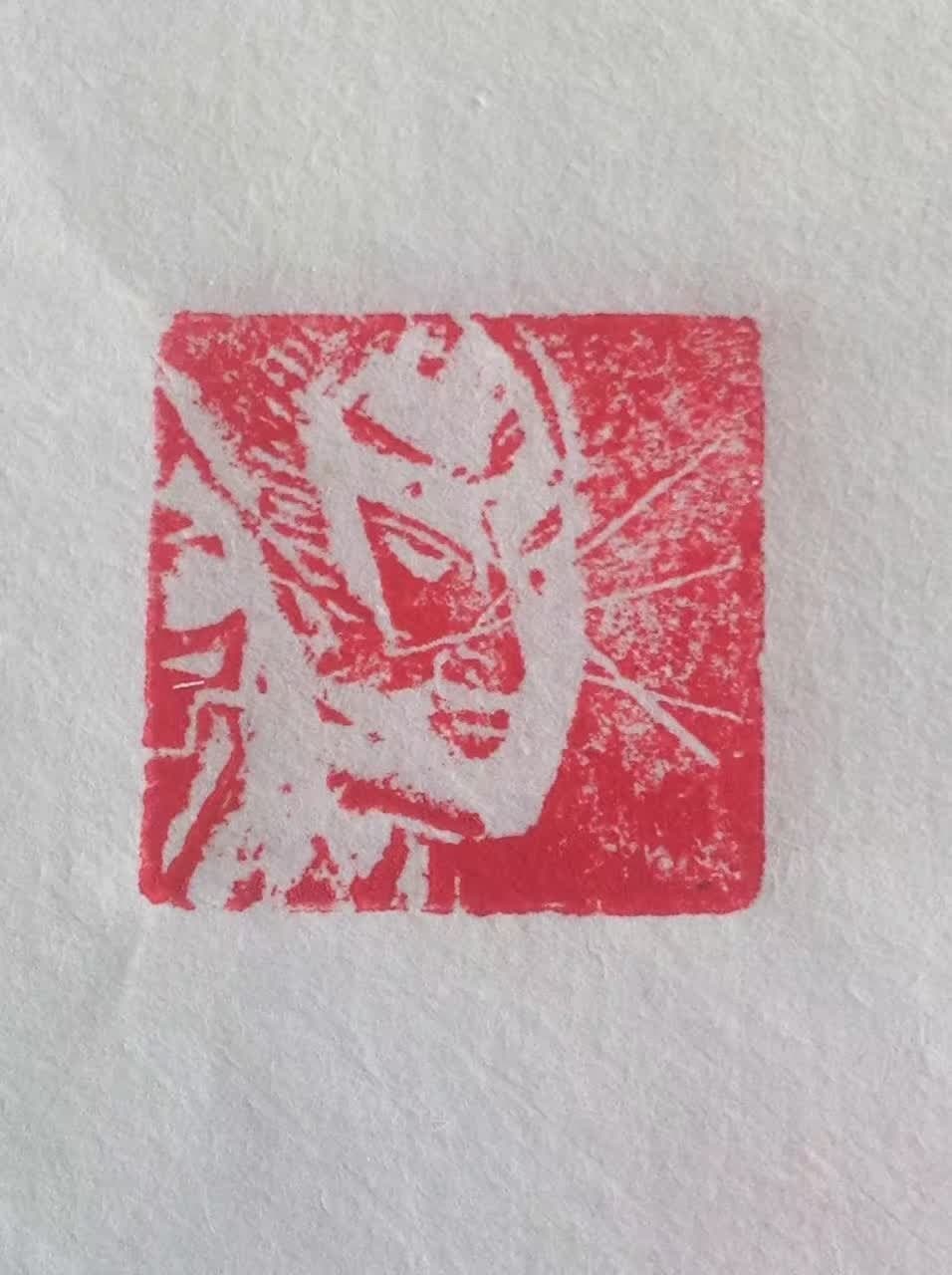
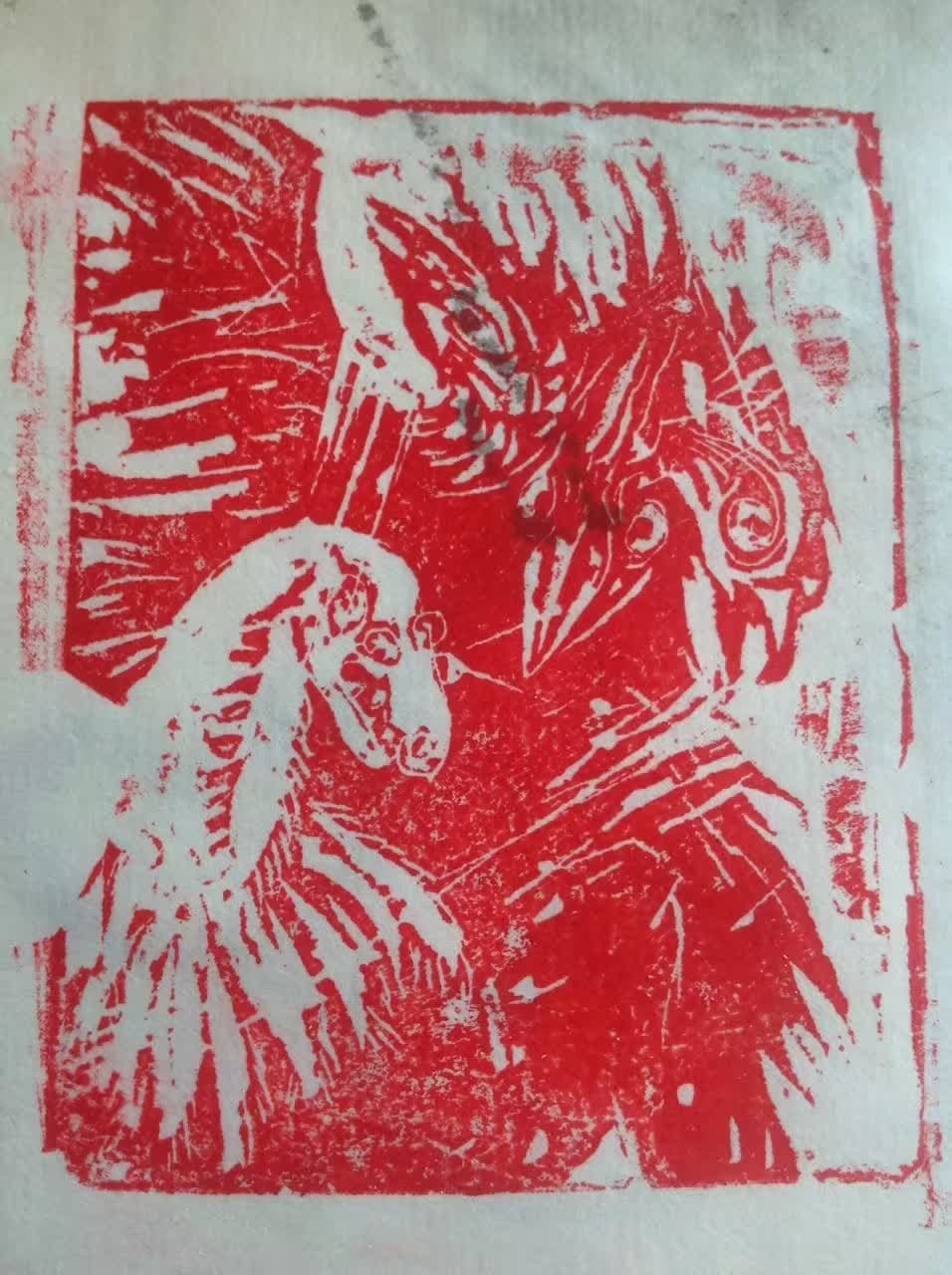
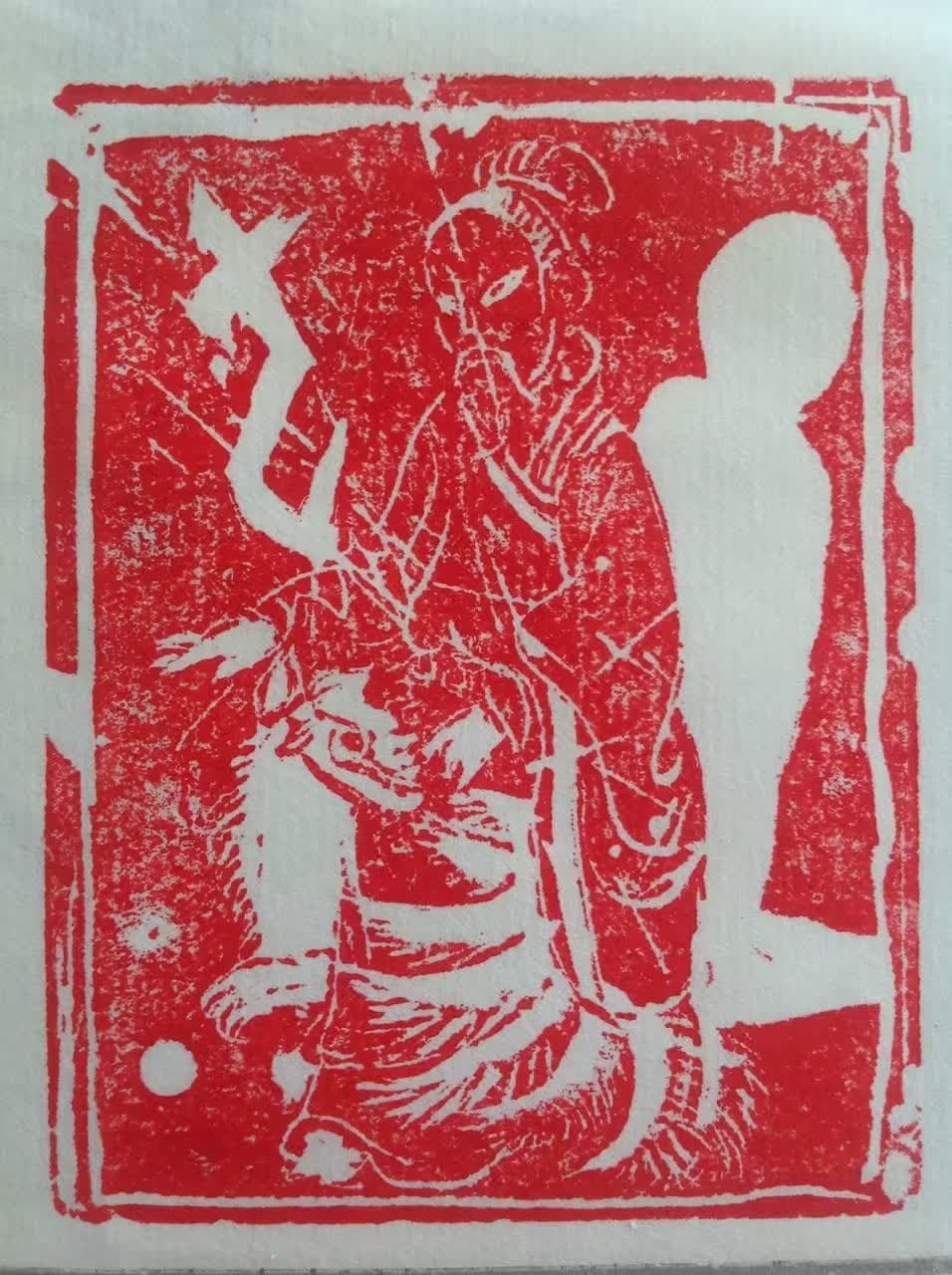
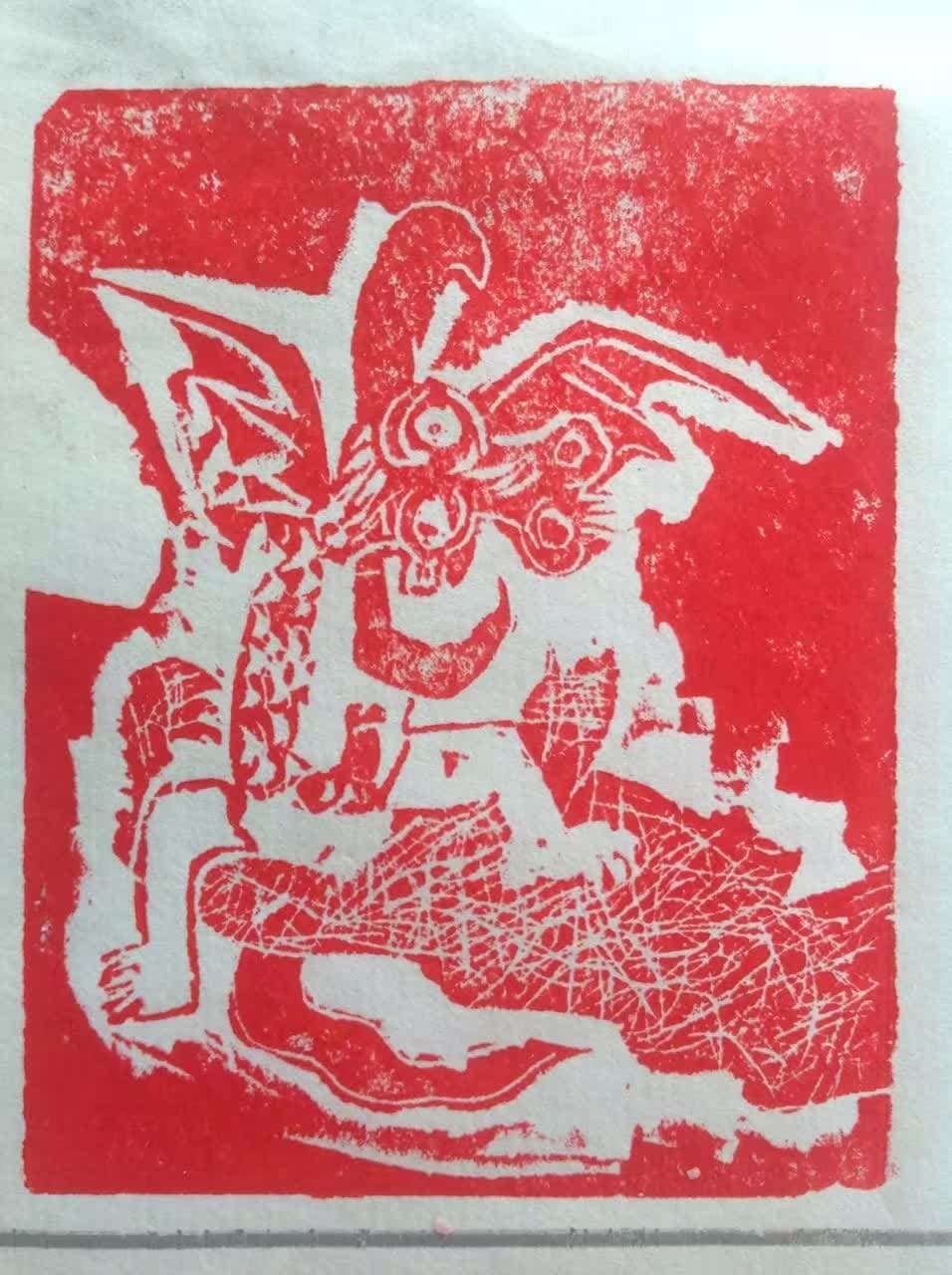
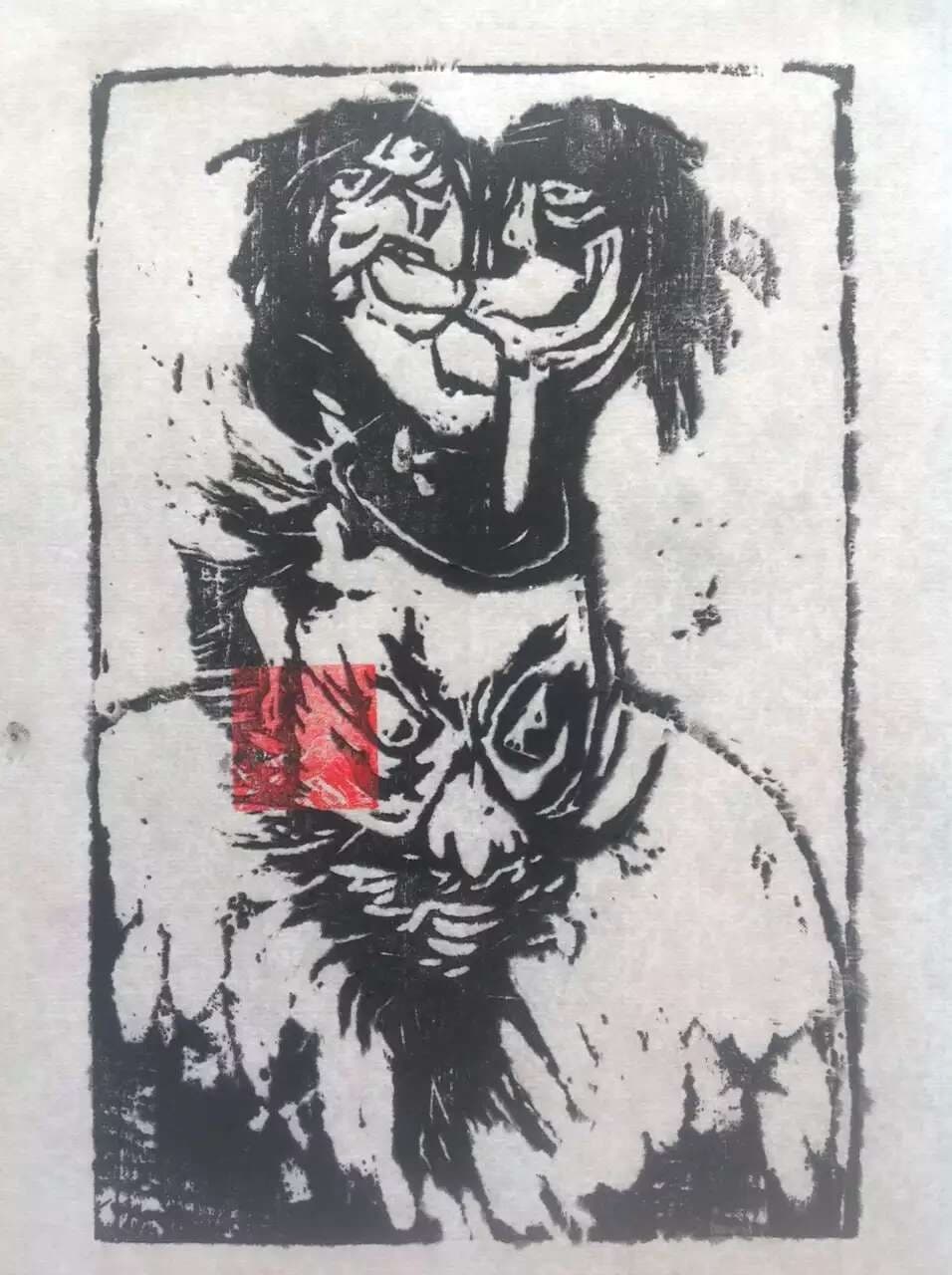
The human-faced beast-bodied figures, the hermaphrodites, the multi-eyed multi-winged forms in the seal carvings are the embryonic state of the later mask lineage. The rubbing-trace (印蜕) is precisely the intermediate state in which the mask transitions from material carrier to spiritual symbol.
From the perspective of Jungian analytic psychology, these strange creatures are the archetypes of the collective unconscious — “Shadow”, “Anima / Animus”, “Self” — surfacing in the regression of the retreat. Deleuze would see them as the practice of “becoming-animal” (devenir-animal): not imitating the animal, but establishing heterogeneous, non-hierarchical connections with the animal, so that the human subject deterritorializes in becoming and becomes in deterritorializing. The “three heads six eyes / six legs three wings” of the seal carvings is not the representation of monsters but the plane of intensity of becoming-monster — eyes, wings, limbs detach from organic function and, in free combination, point to unforeseeable becomings.
↔ The abstinence-desire dialectic of “Three Years Retreat”
Foucault's “technologies of the self” provides the core interpretive frame for the retreat, but Georges Bataille's “inner experience” must be added as the limit dimension: through extreme self-exhaustion (fasting, abstinence, insomnia), reaching the naked encounter with “non-knowledge” (non-savoir). The blade-marks are the inscription of this exhaustion.
Deleuze's “desiring-machine” (machine désirante) can in turn invert Foucault's disciplinary perspective: abstinence is not the repression of desire but the reassembly of desire itself. When the “normal” sexual path is blocked, desire does not disappear but flows toward heterogeneous connections — seal carving, vision, myth, poetry. The line in the text, “I fantasize about having a pair of wet vulva / forever clenched around a sun-before-sunrise fire”, is exactly the delirious reproduction of the desiring-machine after blockage.
↓ “Tea Dāna” (2010 — Present)
Tea Dāna constructs a cross-cultural public space through tea; “Shan Hai Jing” constructs a private mythic chamber through the seal. The two share the ethical structure of “giving — receiving”.
Deleuze-Guattari's concept of the “rhizome” can unify this relation: Tea Dāna is a rhizome spreading outward (multi-centered, non-hierarchical, arbitrary connections); “Shan Hai Jing” is a rhizome folding inward (likewise multi-centered, non-hierarchical, but its space is enclosed). Neither is a tree-like “root-branch” structure; both are heterogeneous, lateral, contingent networks of connection — tea leaf and seal stamp, tea-mat and rubbing-trace, other and self, all equally interweaving on the rhizomatic plane.
IV · A Poetics of Material and the Dialogue with Arte Povera
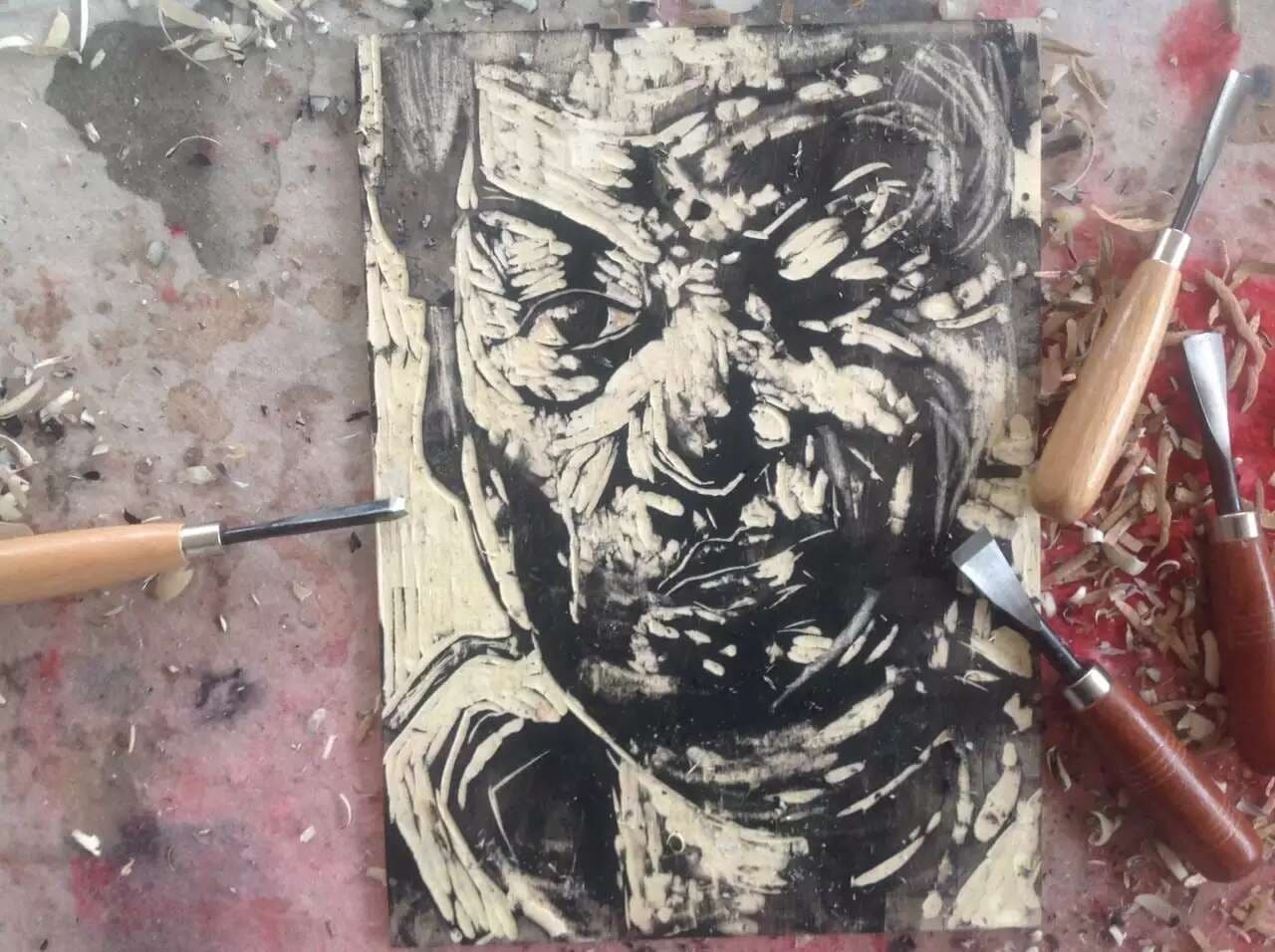
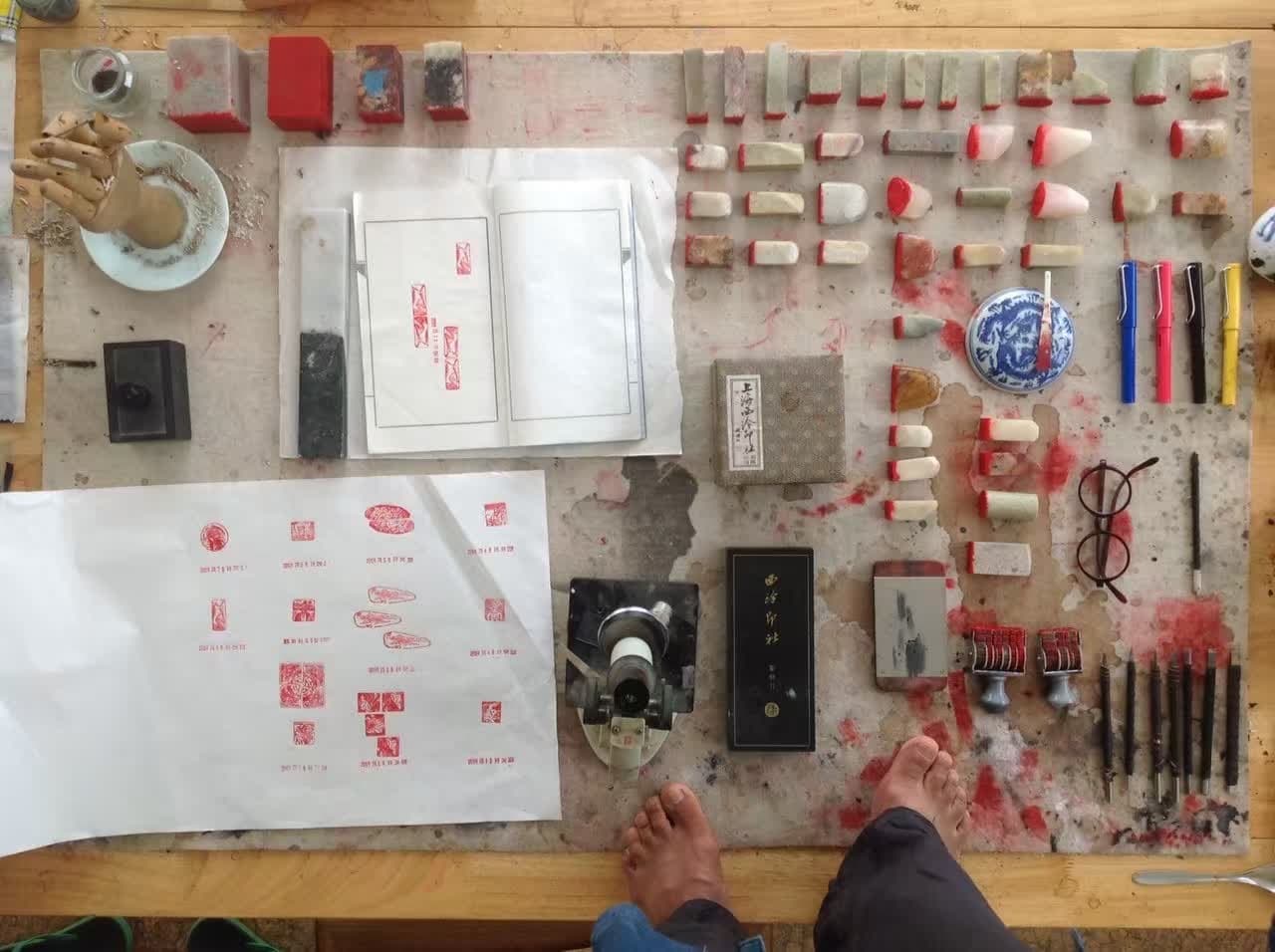
• Woodblock as bone — pear-wood fibre resists the blade, as flesh resists abstinence;
• Poetry as blood — Dongba god-names, contemporary colloquial speech, political symbols, mythic fragments crossbred;
• Cinnabar as seal — the permanence of mineral pigment contends with the impermanence of the flesh;
• Xuan paper as skin — raw xuan paper absorbs and blurs the edge of the seal-print, like the uncertainty of memory;
• Thread-binding as coffin — the ancient-book form encoffins the strange creatures; the container itself is the corpse of civilization.
Dialogue with Arte Povera: using discarded wood, cheap cinnabar, ordinary xuan paper — refusing the hierarchy of materials. Deleuze's “logic of sensation” (logique de la sensation) can deepen this analysis: Francis Bacon's painting makes sensation detach from representation and act directly on the nervous system. The blade-marks in seal carving likewise make sensation detach from narrative — not “painting” the strange creature, but letting the tremor of the blade, the rupture of the wood fibre, and the seeping of the cinnabar generate sensational intensity directly at the crossing of touch and vision.
V · Coda: As “Unfinished Genesis”, a Contemporary Bestiary
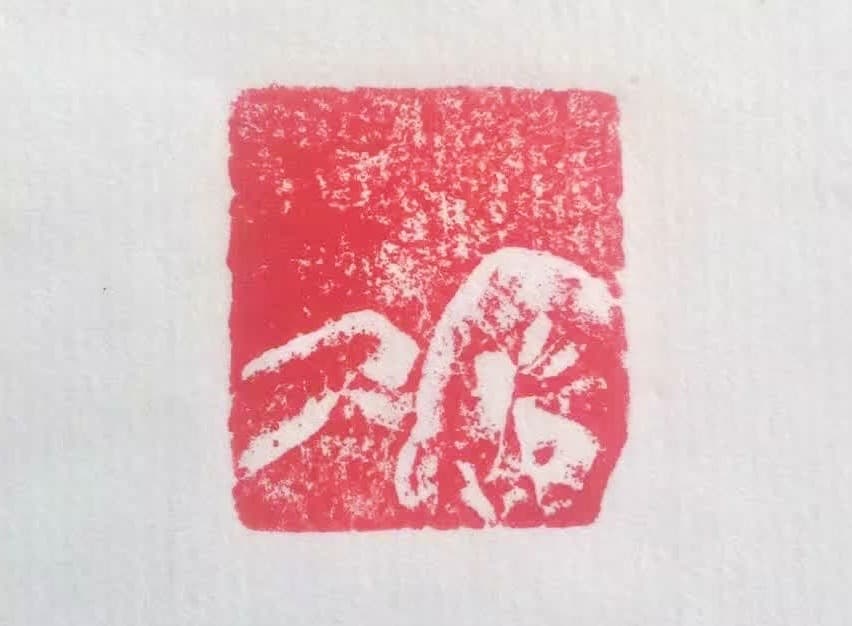
The “Shan Hai Jing” seal carvings are an unfinished Genesis. They do not answer “from where does humanity come”, but reopen the question as the bodily wound of a contemporary Naxi artist — within the tears of filial duty and creation, abstinence and desire, the local and the global, sacred and secular, the chisel becomes the only stitching thread.
Each seal stamp is a miniature genesis-and-destruction: what is carved is myth, what is erased is the self, what is rubbed-out is the blank between the two. This blank is precisely the meeting point of Deleuze's “the void” (le vide) and Foucault's “non-knowledge” — not absence, but the latent field of becoming, the yet-to-arrive of the next project, the next deterritorialization, another subjectivity.