The Full Essay
Project Essay
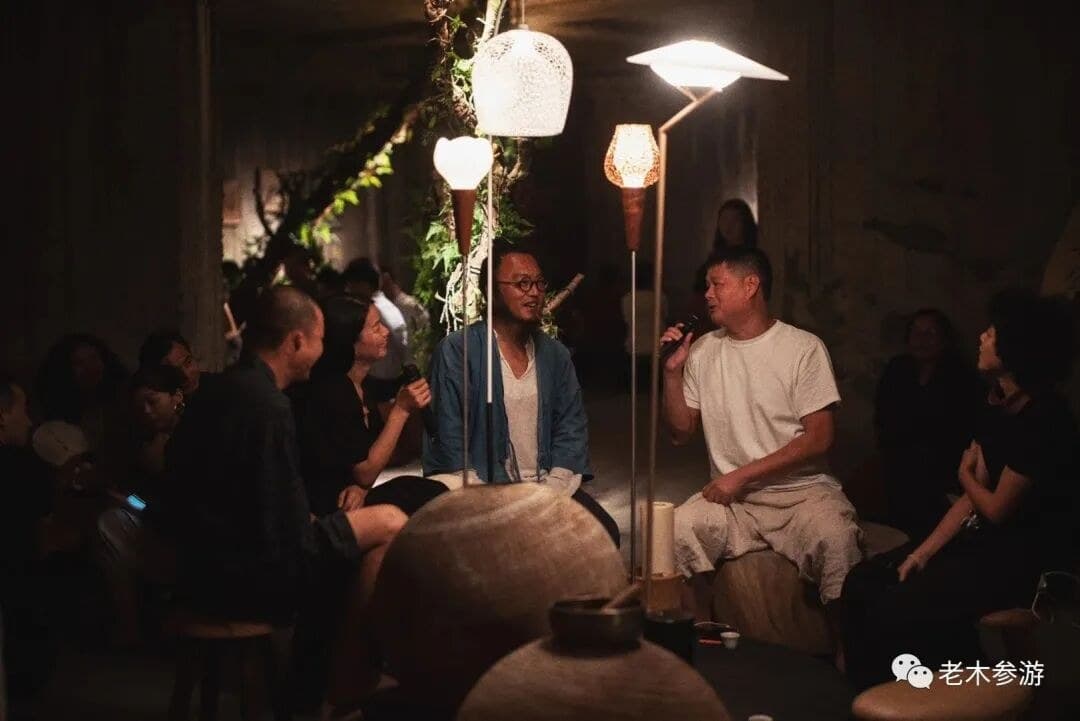
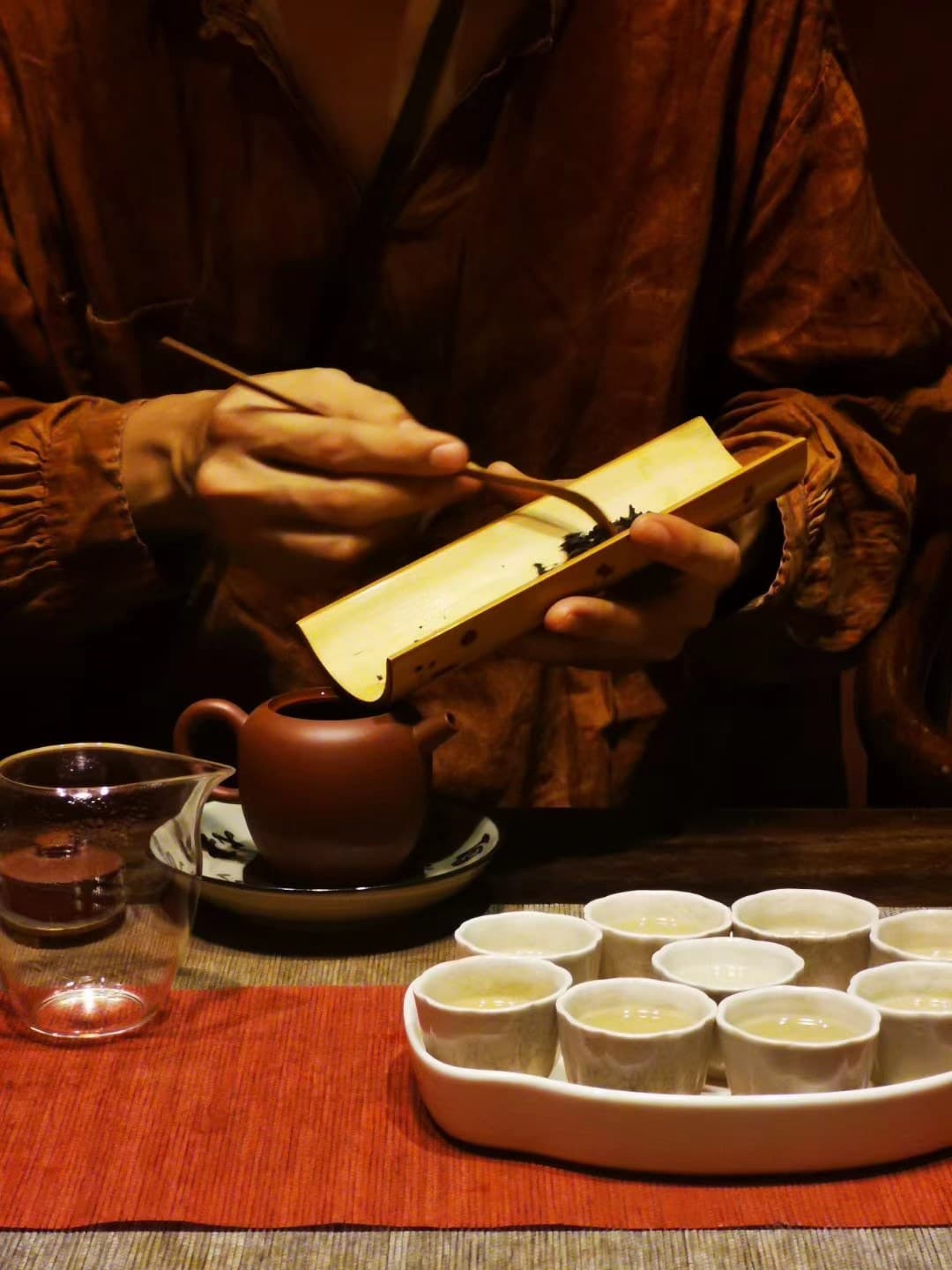
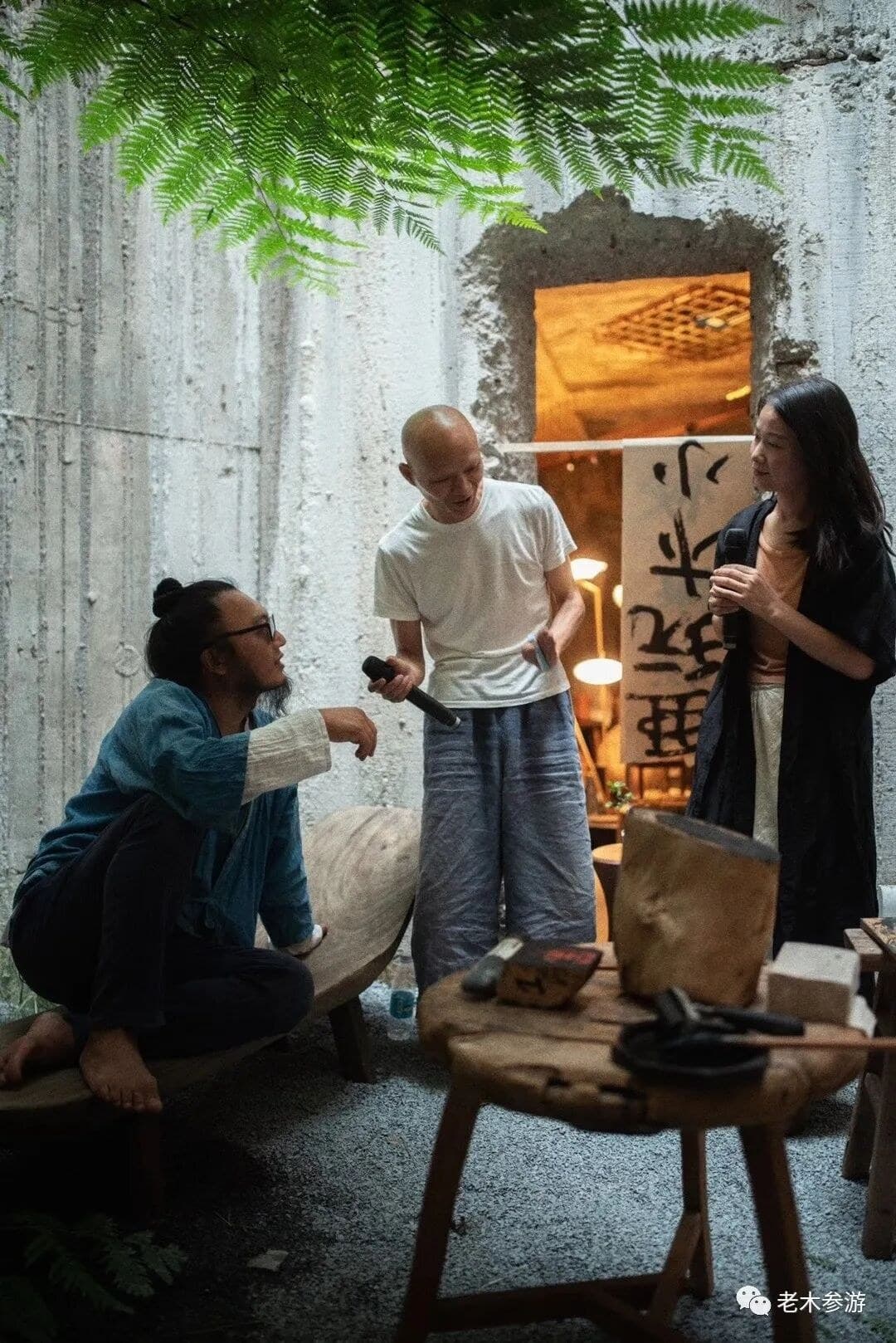
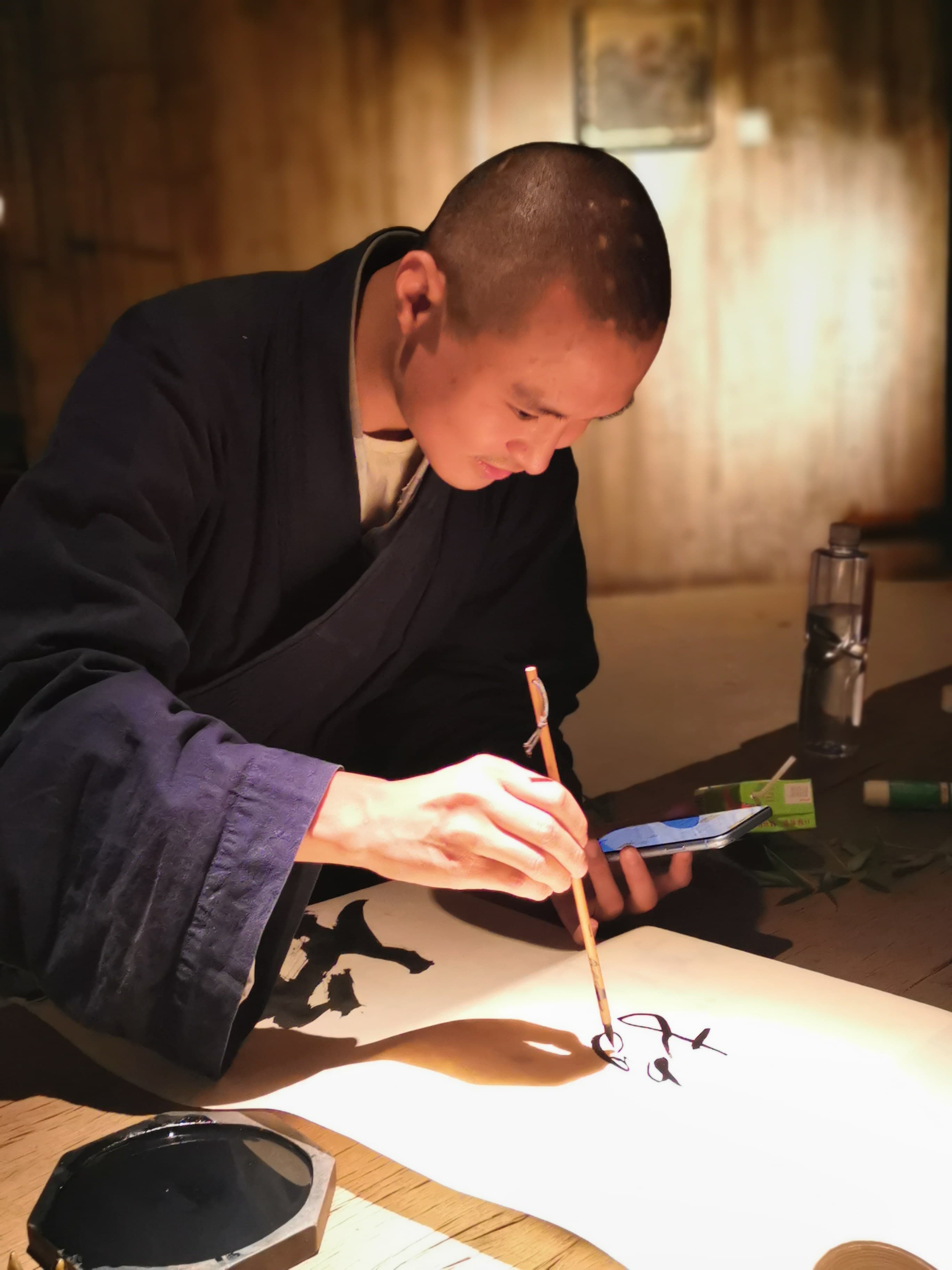
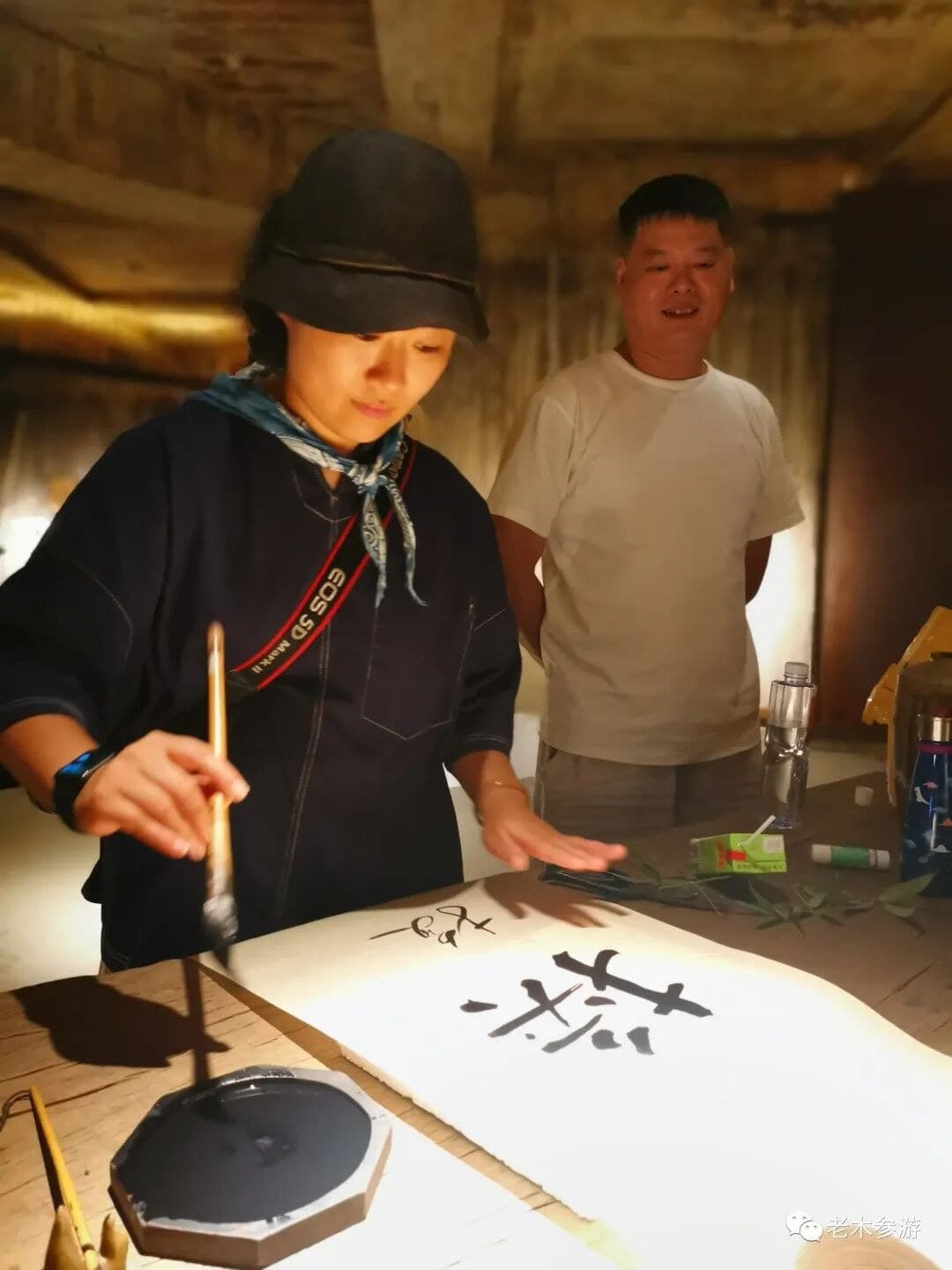
On 24 September 2021, the artist Mu Yuming was invited to take part in the Xiamen Art Gathering, intervening on site in two roles: guest tea master and initiator of art for exchange. At the tea table, the artist used Wuyi Mountain rock tea (Da Hong Pao and other varieties) to open conversation — a tea variety that carries the global-historical memory of the “Tea Wars”. He then proposed: “exchange a work of art for anything exchangeable” — a poem, a song, a smile, a work, or a promise.
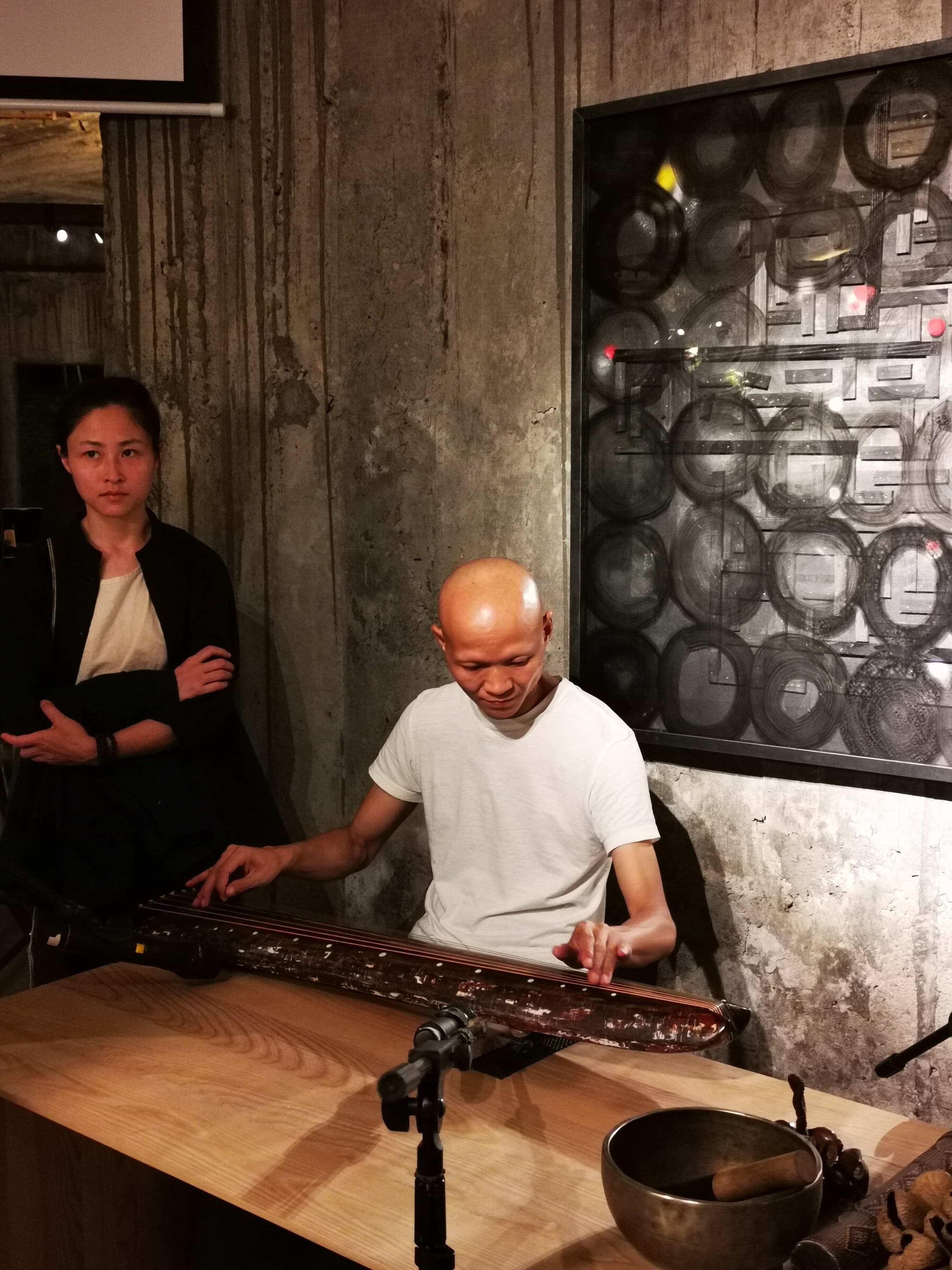
One person exchanged a poem for a woodblock work; another exchanged a work of his own for another work; one sang a song — the song scattered into the air and left nothing behind, but everyone remembered that voice. In the closing forum, the artist sat in a circle with everyone and revealed the core: the essence of exchange is love.
Wuyi rock tea carries deep historical weight. In the seventeenth century, the Dutch East India Company and the British East India Company used Wuyi tea as leverage to shift the global trade order, indirectly triggering the North American War of Independence. In For All the Tea in China, Sarah Rose reveals that tea was not only a commodity, but the “green opium” of imperial expansion. Wuyi tea sailed out of Xiamen port and once swept across Europe under the name “Bohea”, becoming the material vehicle of “Eastern mystery”. When Kojin Karatani discusses “modes of exchange”, he distinguishes four: gift and counter-gift (A), plunder and redistribution (B), commodity exchange (C), and transcendent exchange (D). The tea trade three hundred years ago belonged to mode C; today's “art for exchange” attempts a return to mode A — from each according to ability, to each according to need — but the measure of “ability” and “need” shifts from currency to emotional resonance, from equivalence to the flow of love.
When Beuys proposed “social sculpture” (Soziale Plastik), he emphasised that everyone is an artist, and society itself is the plastic material. Here the artist was not “performing tea ceremony” but using rock tea as medium to carry out social sculpture. At the tea table, Da Hong Pao was de-commodified: no longer used for profit, but for building relationships. Every cup of tea is a miniature “ceasefire agreement” — brewer, drinker, leaf, water source, vessel, space, all elements in an instant form an equal, temporary commons. This is an Eastern practice of Beuys's “expanded concept of art”: art is no longer confined to the gallery, but permeates every crack of daily exchange.
In The Gift, Marcel Mauss reveals that exchange in primitive societies was not based on calculations of equivalence, but on the flow of the “gift's soul” (hau) — to accept a gift is to accept a part of the giver's soul, and a return gift must be made to maintain the balance of the relationship. The forum consensus of “art for exchange” — that “the core of exchange is love” — is precisely a contemporary restatement of Mauss's “gift's soul”: when a poem is exchanged for a woodblock, the two parties are not assessing “which side is worth more”, but affirming “your existence is worth my existence answering”. This is not reciprocity but complicity — together we made an unrepeatable afternoon.
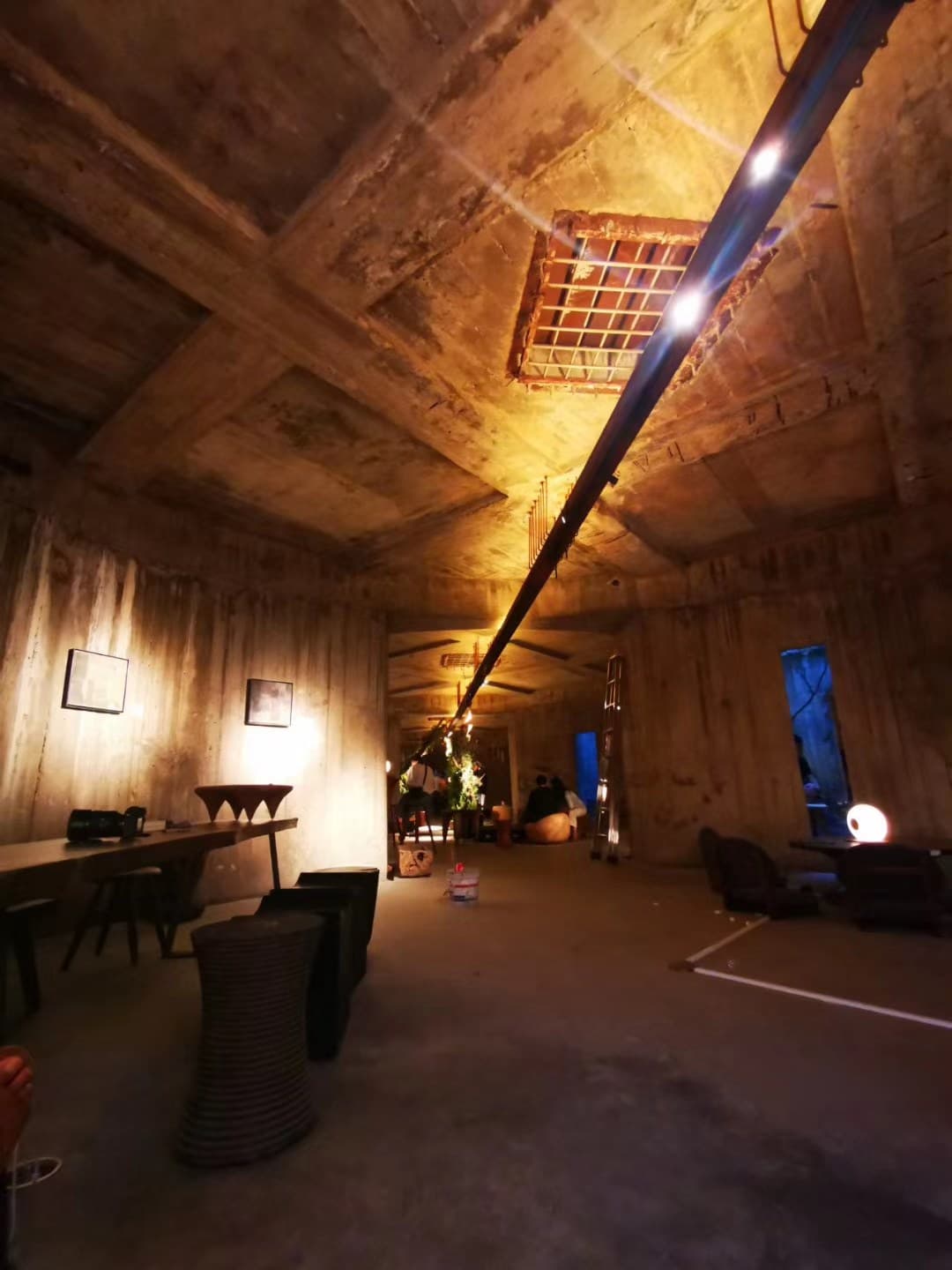
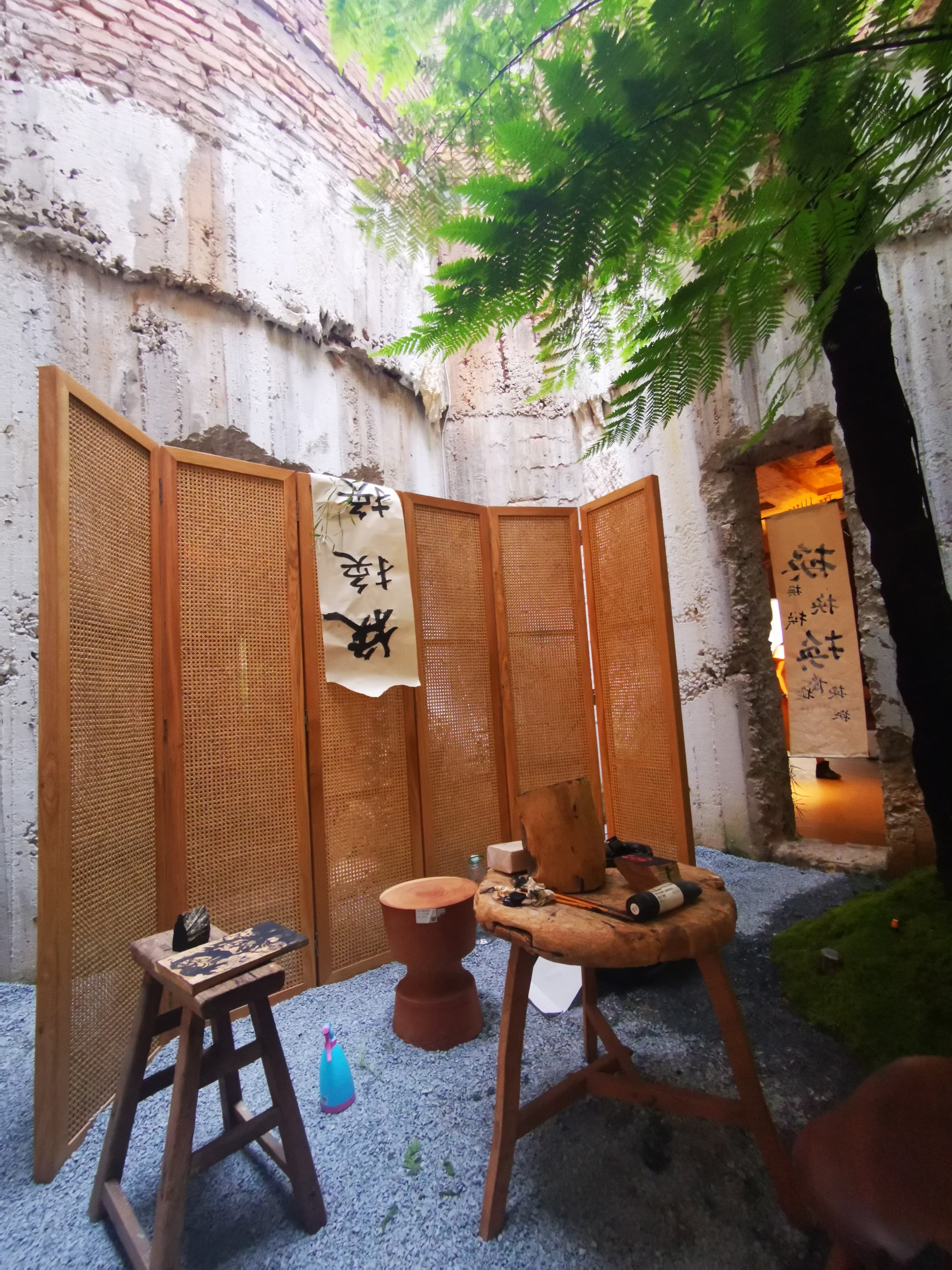
The raw concrete and exposed pipes of the venue formed a tension with the carefully arranged tea table, calligraphy, and lighting. When Adorno spoke of “ruin aesthetics”, he pointed out that the task of modern art is to seek the faint light of truth in ruins. This is not the Eastern nostalgia of “wabi-sabi”, but a contemporary variant of Arte Povera: using everyday surplus materials to construct a spiritual space, proving that “the sacred” does not depend on expensive material but on the shared will of those present.
In 2021, “Xiamen Gathering · Art for Exchange” and the earlier “Zhao Jian · Gathering” formed a mirror structure: the former turned outward, exchanging rock tea for poems, songs, smiles, with love at its core; the latter turned inward, pairing pu'er with masks, seal script, and the gaze, with “beholding” the self at its core. Two gatherings, one outward and one inward, complete the artist's conceptual archaeology of tea civilisation and the nature of being.