The Full Essay
Project Essay
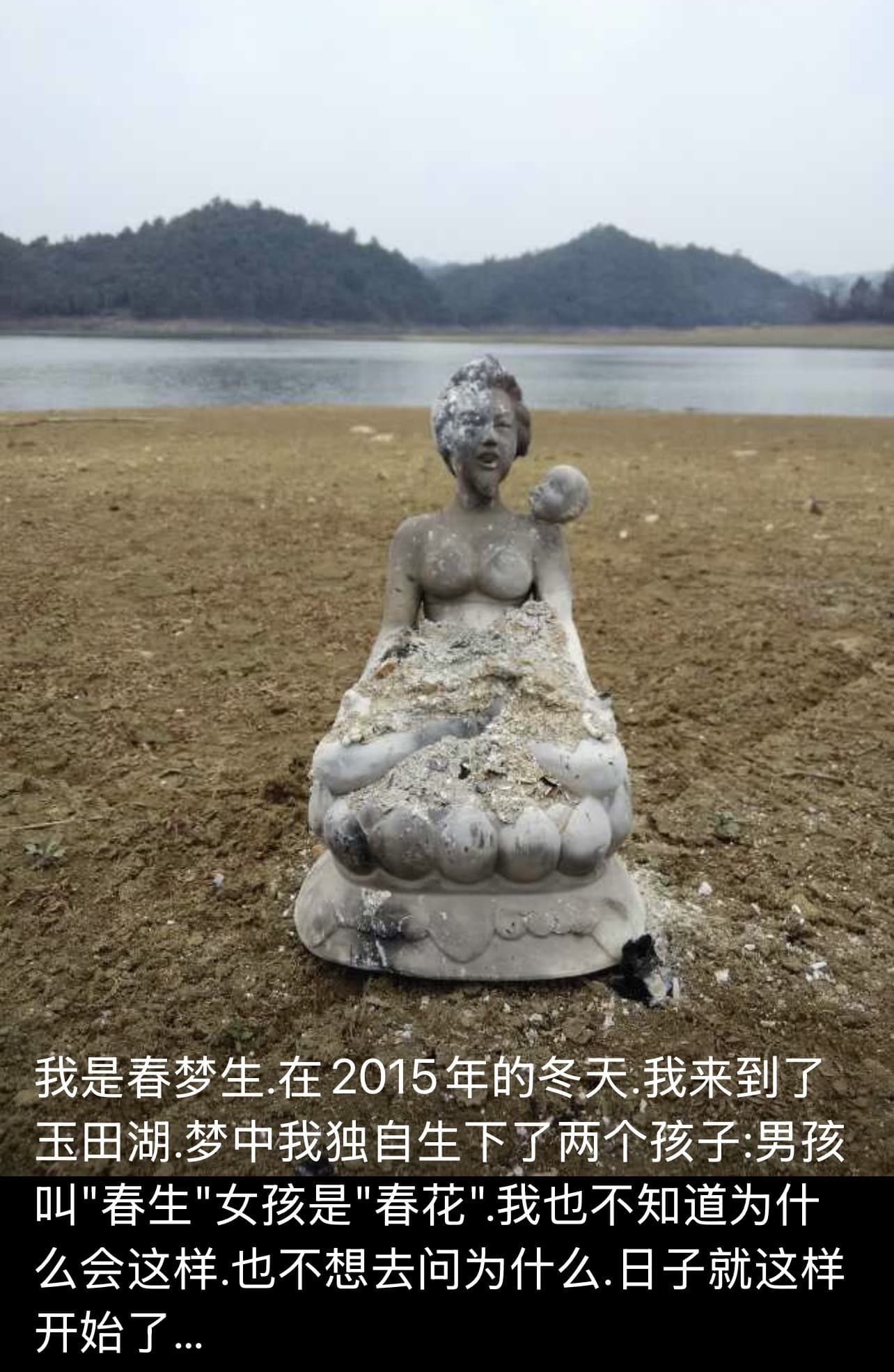
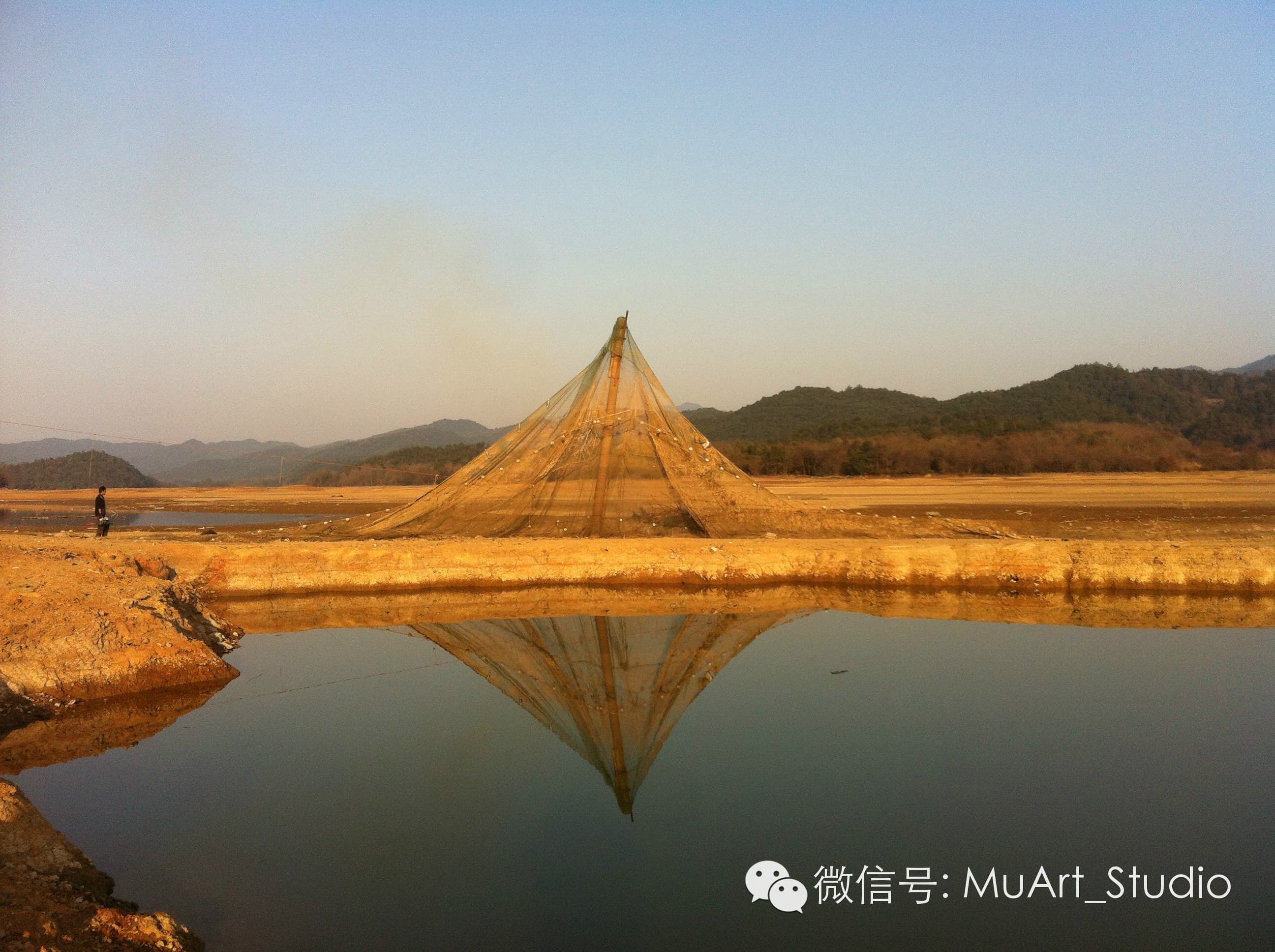
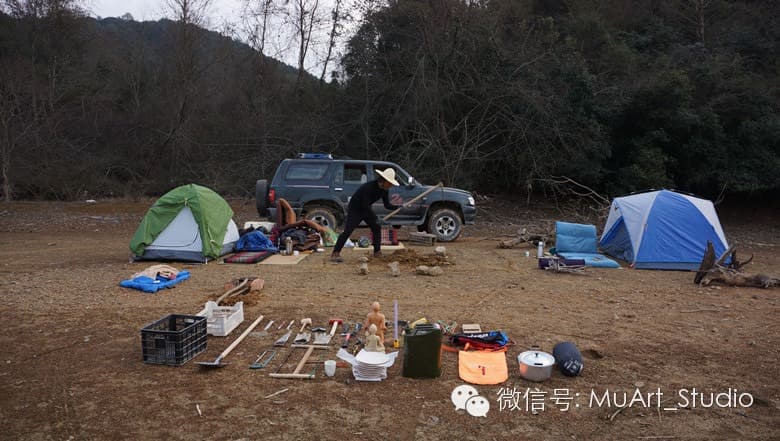
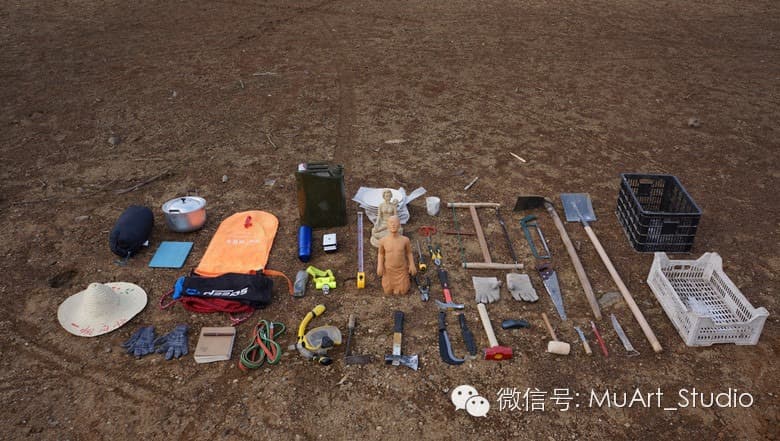
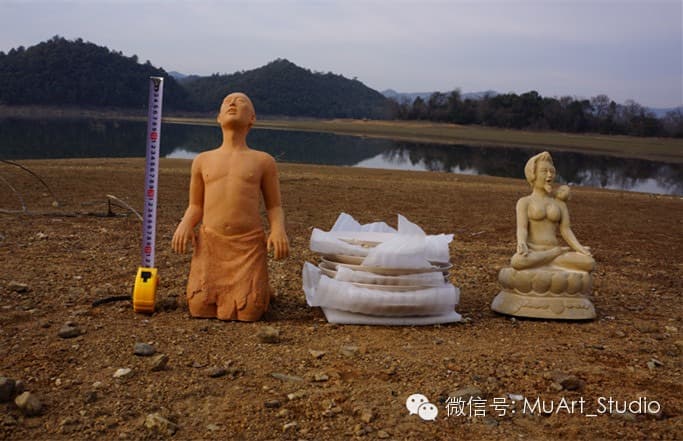
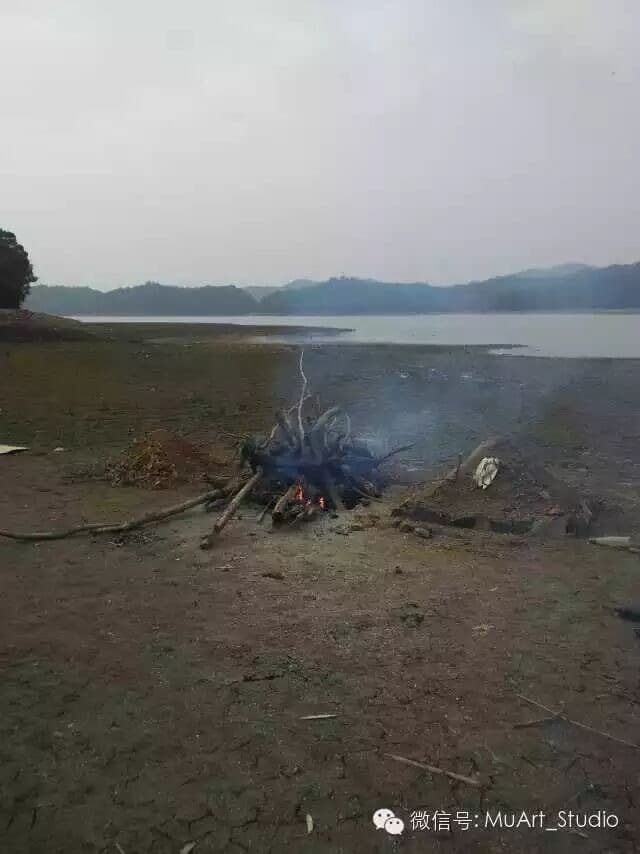
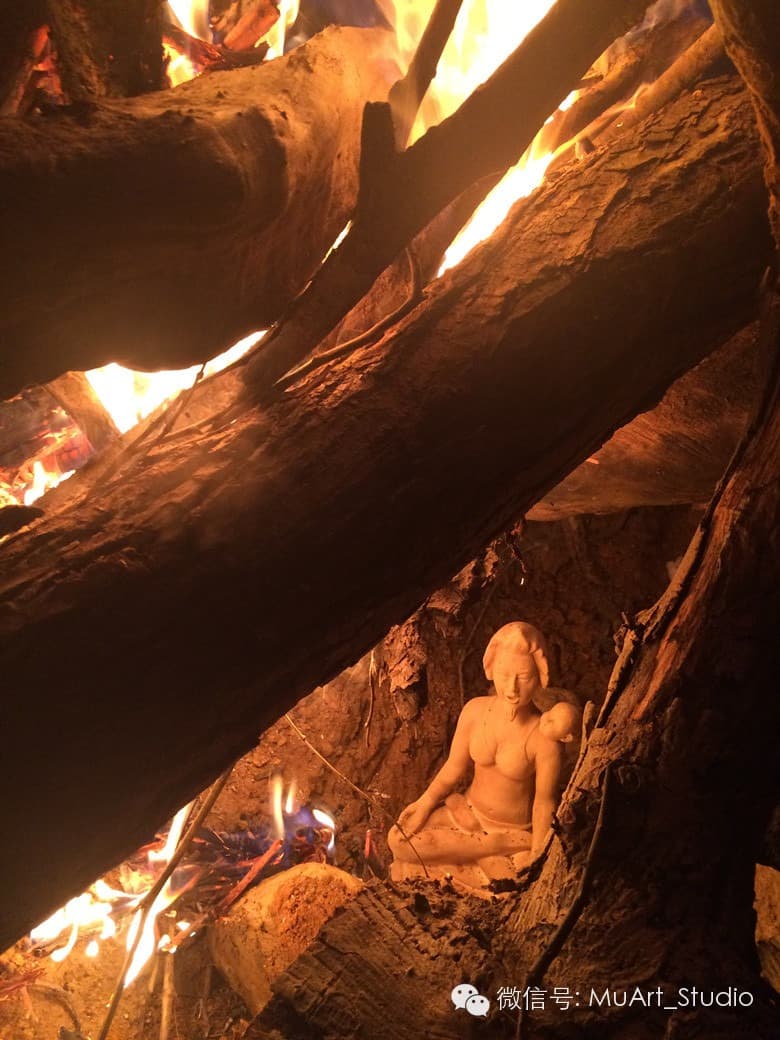
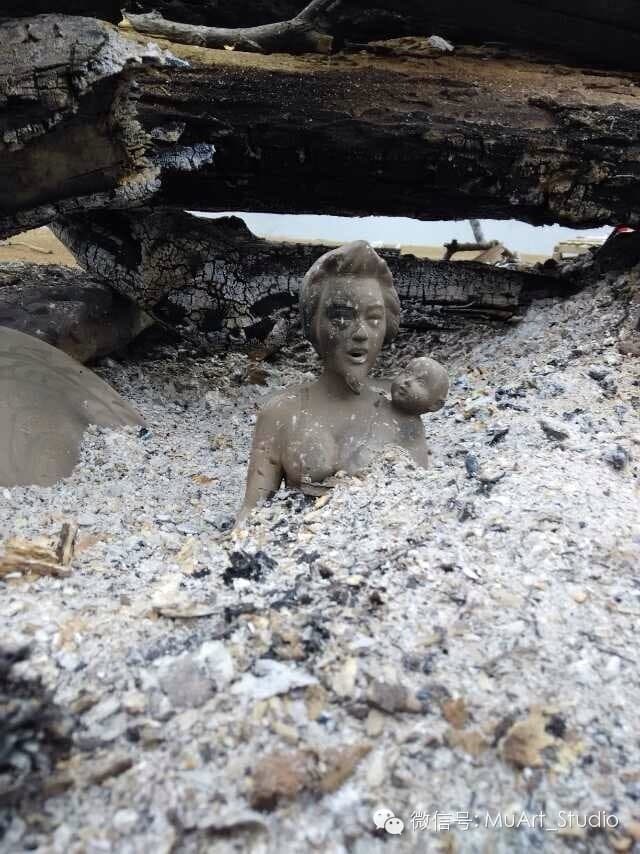
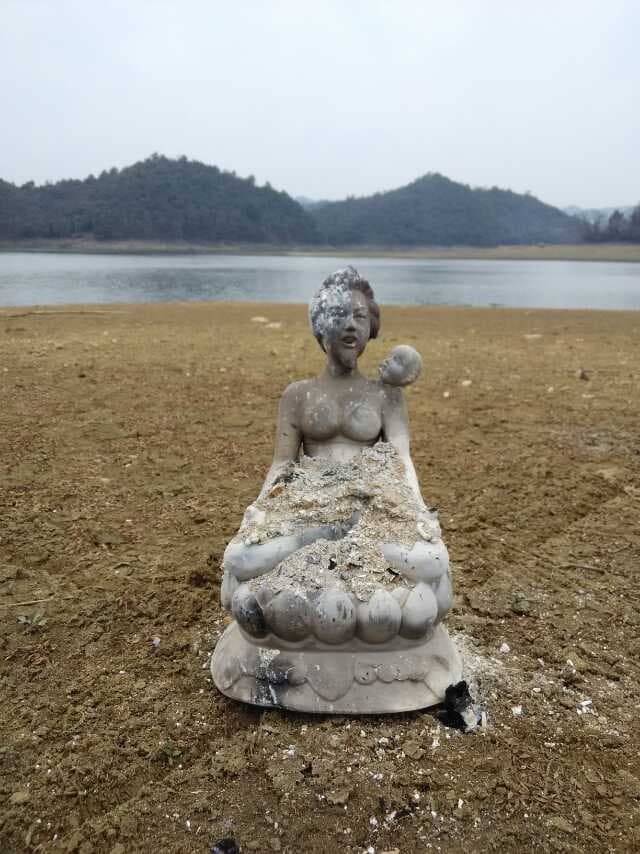
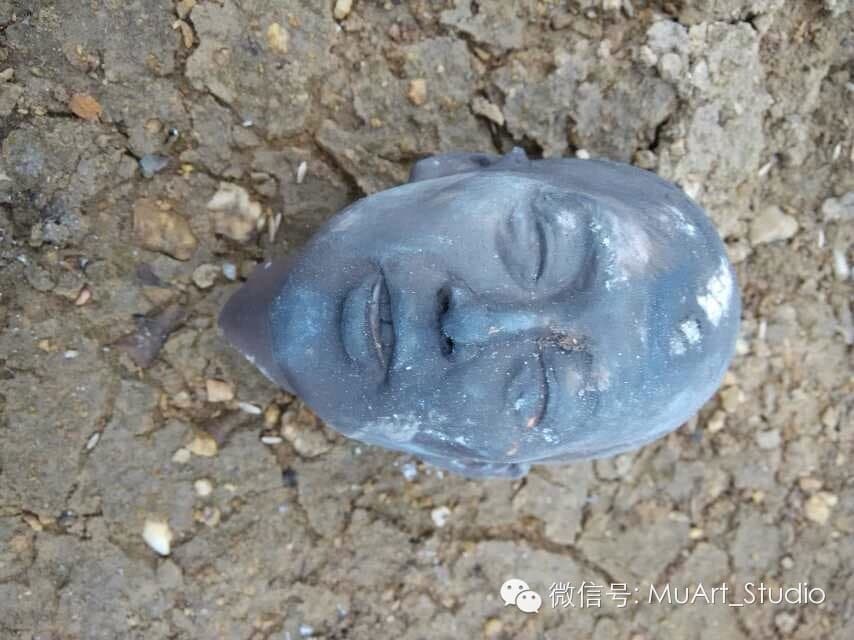
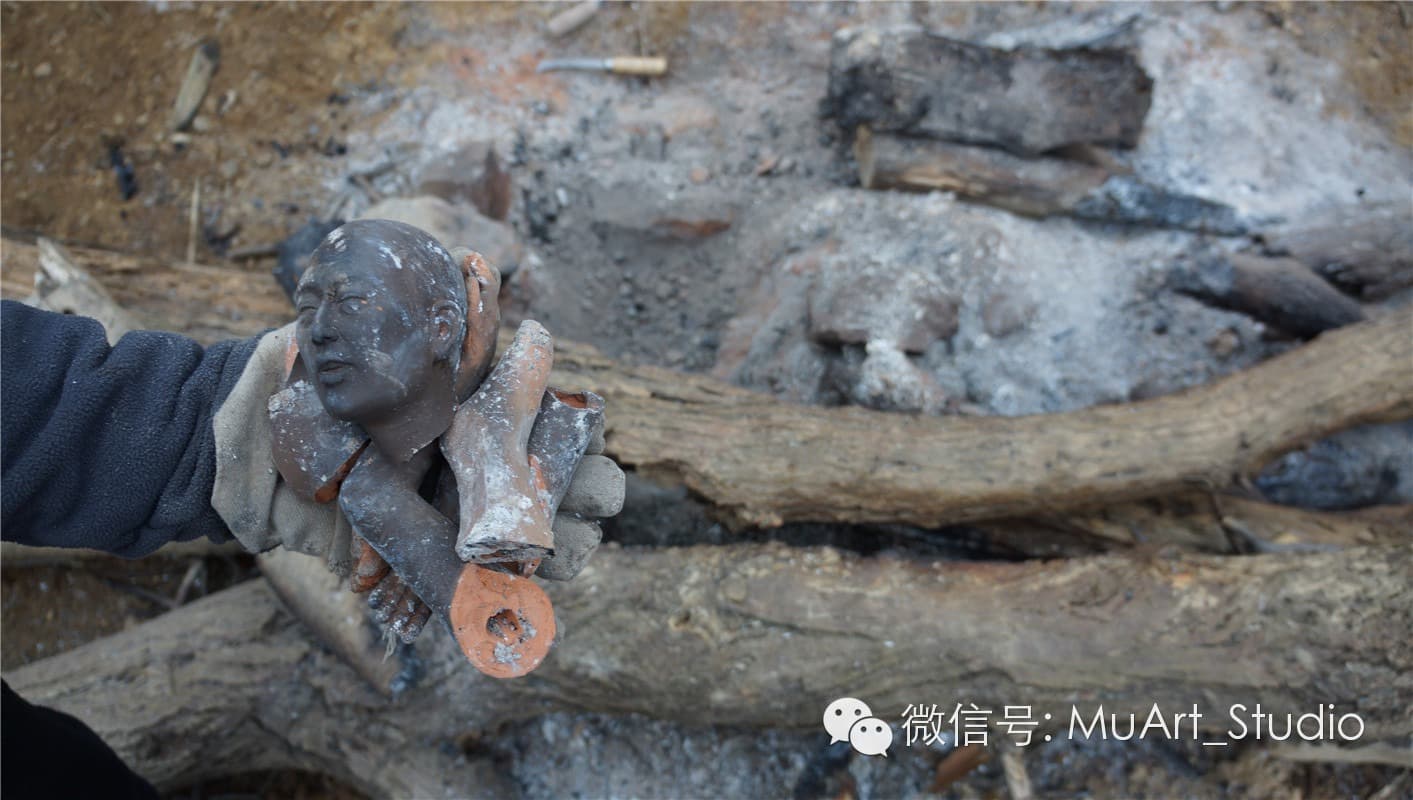
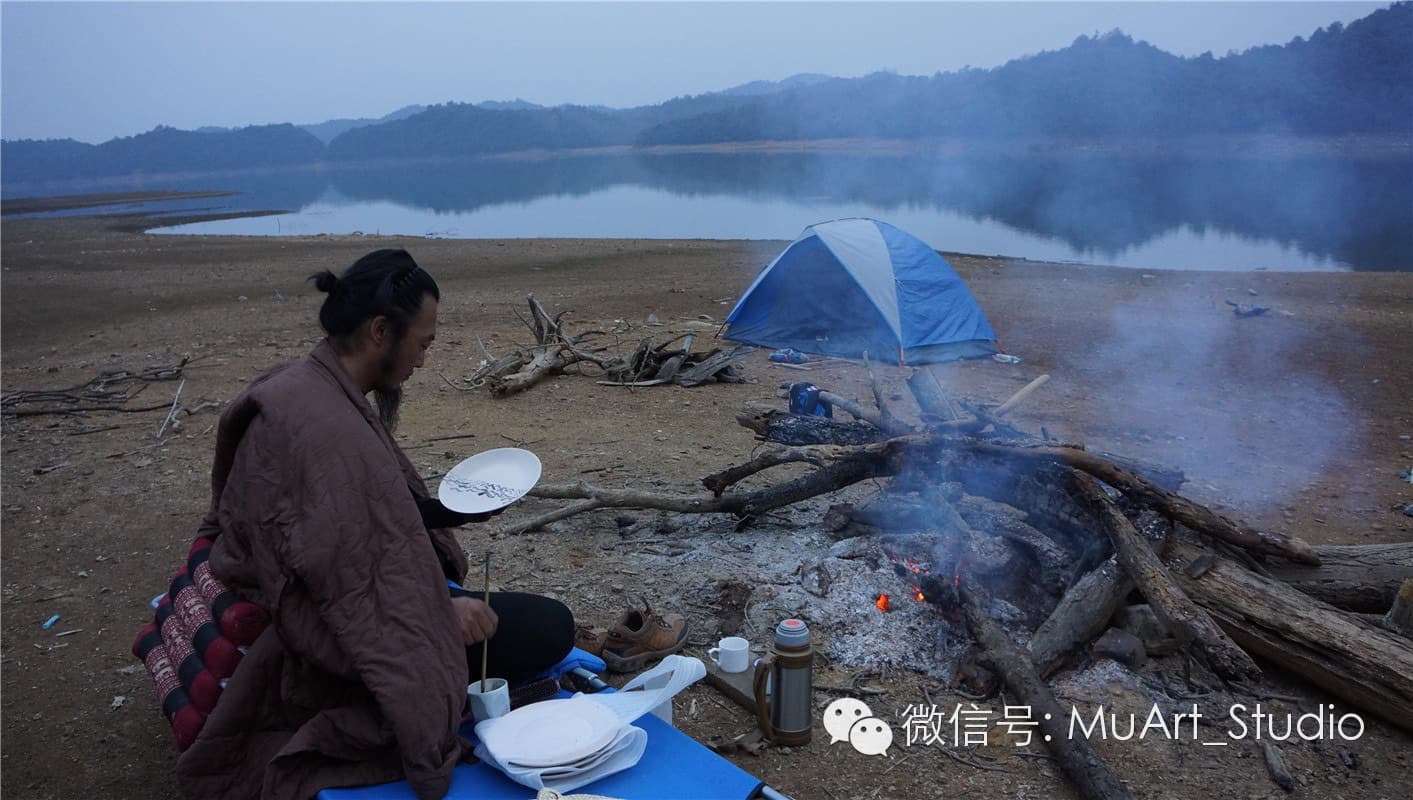
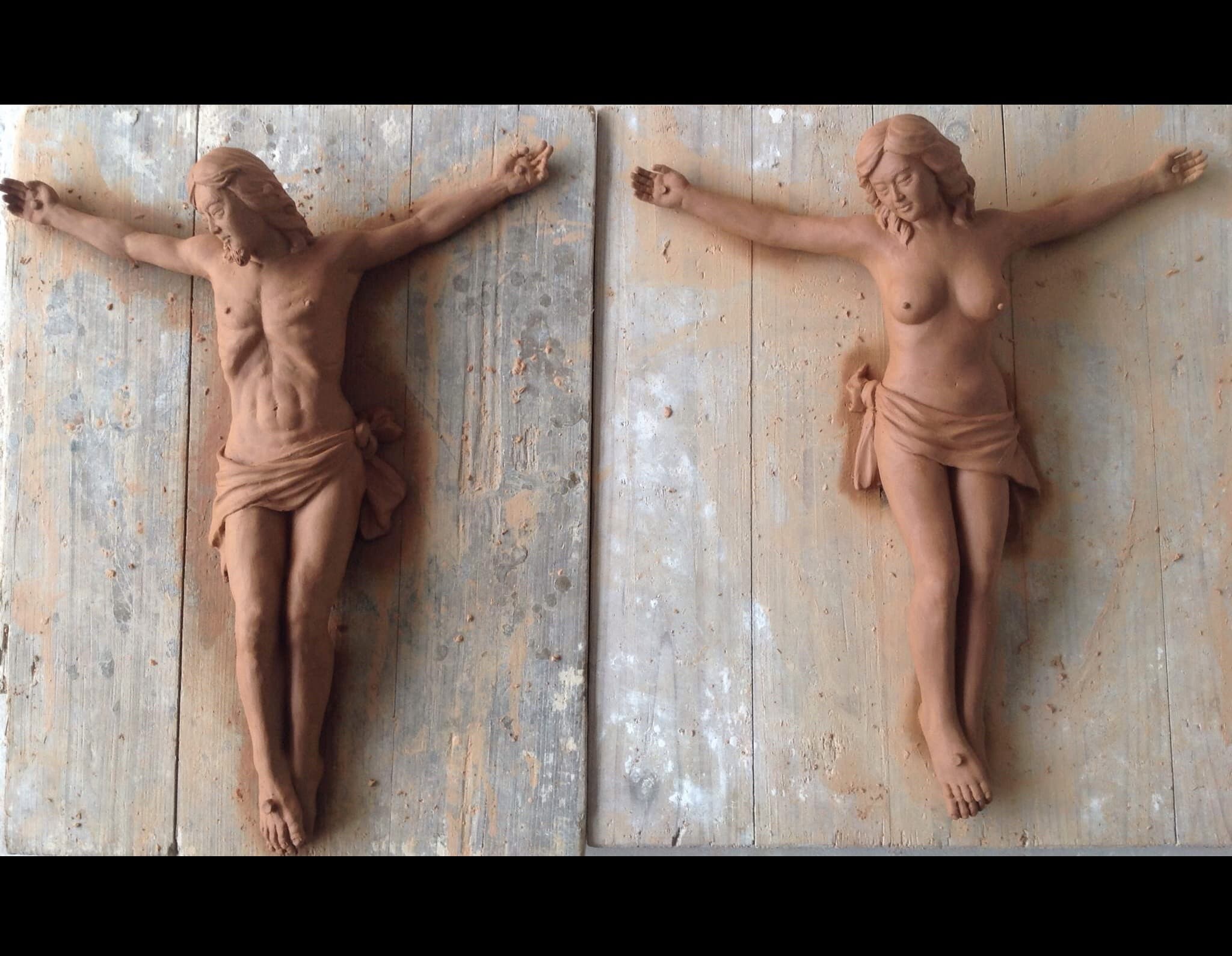
9 January 2015, Yutian Lake, Jingdezhen. The artist Lao Mu, using humanity's most ancient pit-firing technique, placed two self-portrait sculptures into the fire. A night of scorching — what was dug out was not vessels, but wreckage — broken, headless, crumbling to powder at a pinch. It was precisely in this uncontrollable destruction that “Meng Chunsheng” was born at the threshold of ashes and dream.
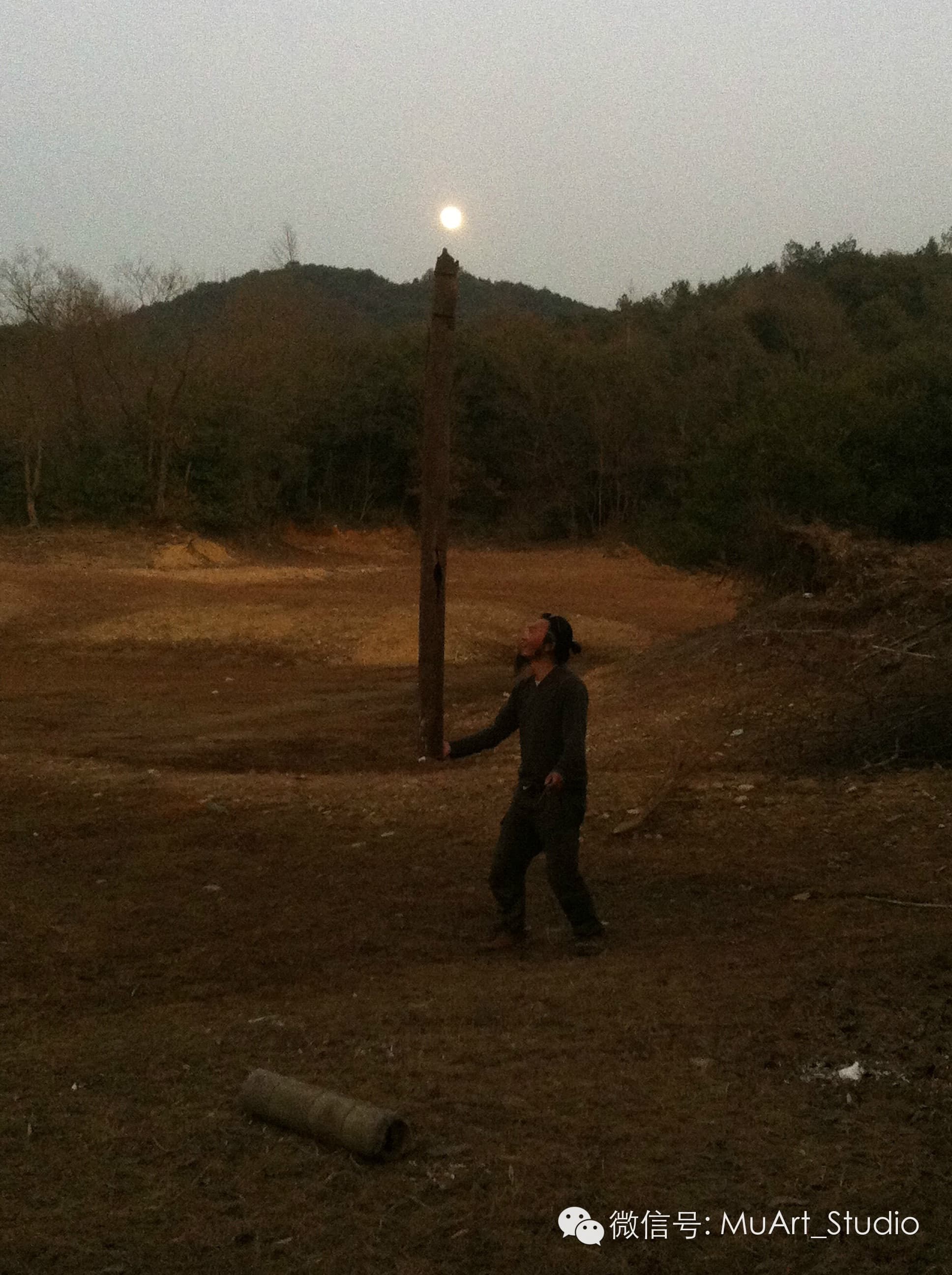
Through three days and three nights of heavy rain at Yutian Lake, Lao Mu had a spring dream. In the dream he bore children “Chuntian” (Spring) and “Chunhua” (Spring Blossom), and met conjoined twin brothers “Chun Mengsheng” and “Meng Chunsheng”: the elder brother “Chun Mengsheng” went east and found that the world has no light; the younger brother “Meng Chunsheng” went west and found all things in a primordial chaos. “Meng Chunsheng” became the agent of dream — together with “Lao Mu” forming a philosophical twin pair that continues to this day: reason and chaos, fear and abandon, the known and the unknown, the desire to fly toward the light and the moon that glows in darkness.
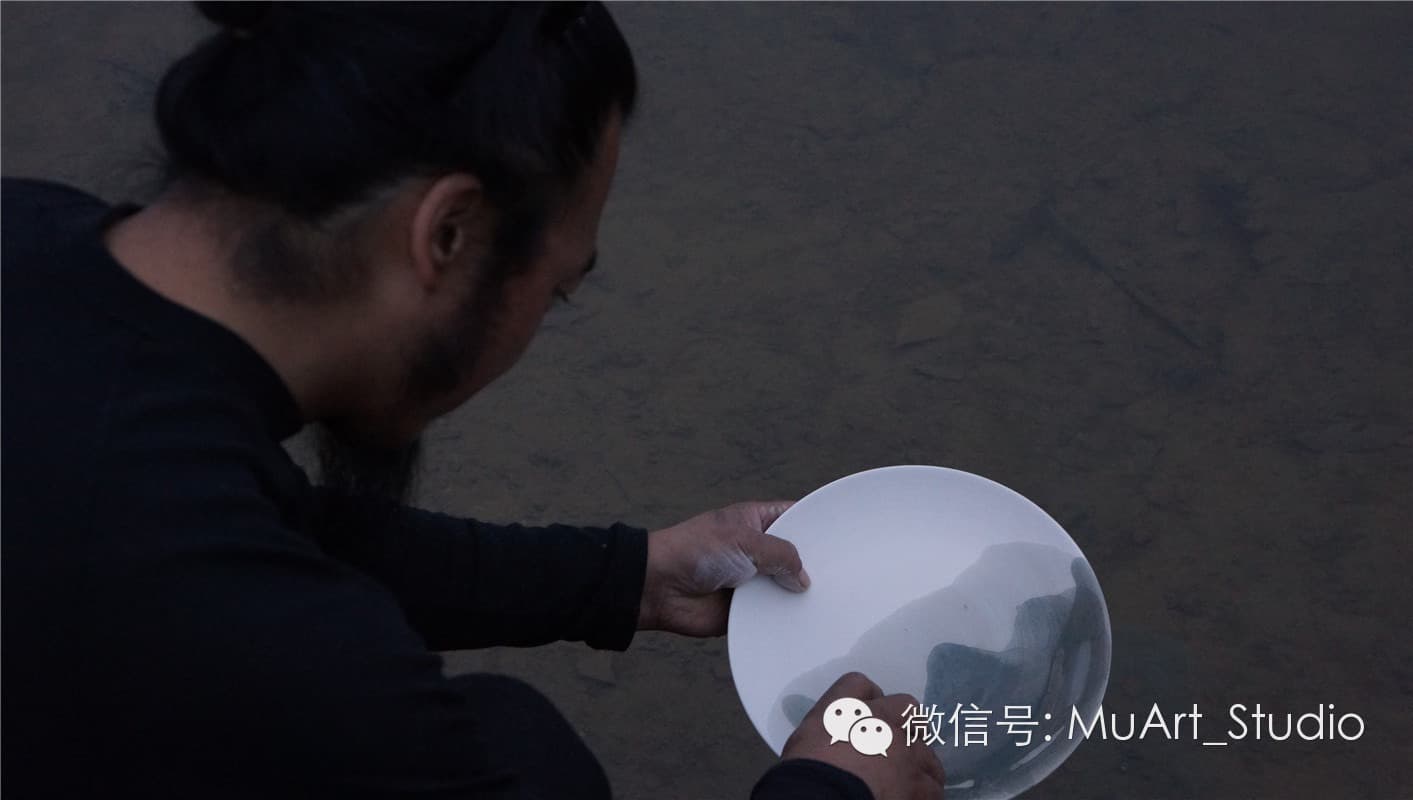
“Yutian Pit Firing” fuses multiple dimensions: anthropological fieldwork, primitive-technology experiment, performance-art documentation, on-site ink sketching, cross-civilizational dialogue, and psychoanalysis of the subconscious. The wreckage of the pit firing — broken heads, twisted torsos — became the raw material for the subsequent “Mask Archaeology” and “Five Hundred Arhats” projects.
It is at once a response to the ancestors' question of “to survive or to be destroyed” from twenty thousand years ago, and the artist's continuing inquiry into the meaning of his own life: “I treat myself as a sculpture-in-the-making — I am my own sculptor.”