The Full Essay
Birth: The Founding Ceremony of a Social Sculpture
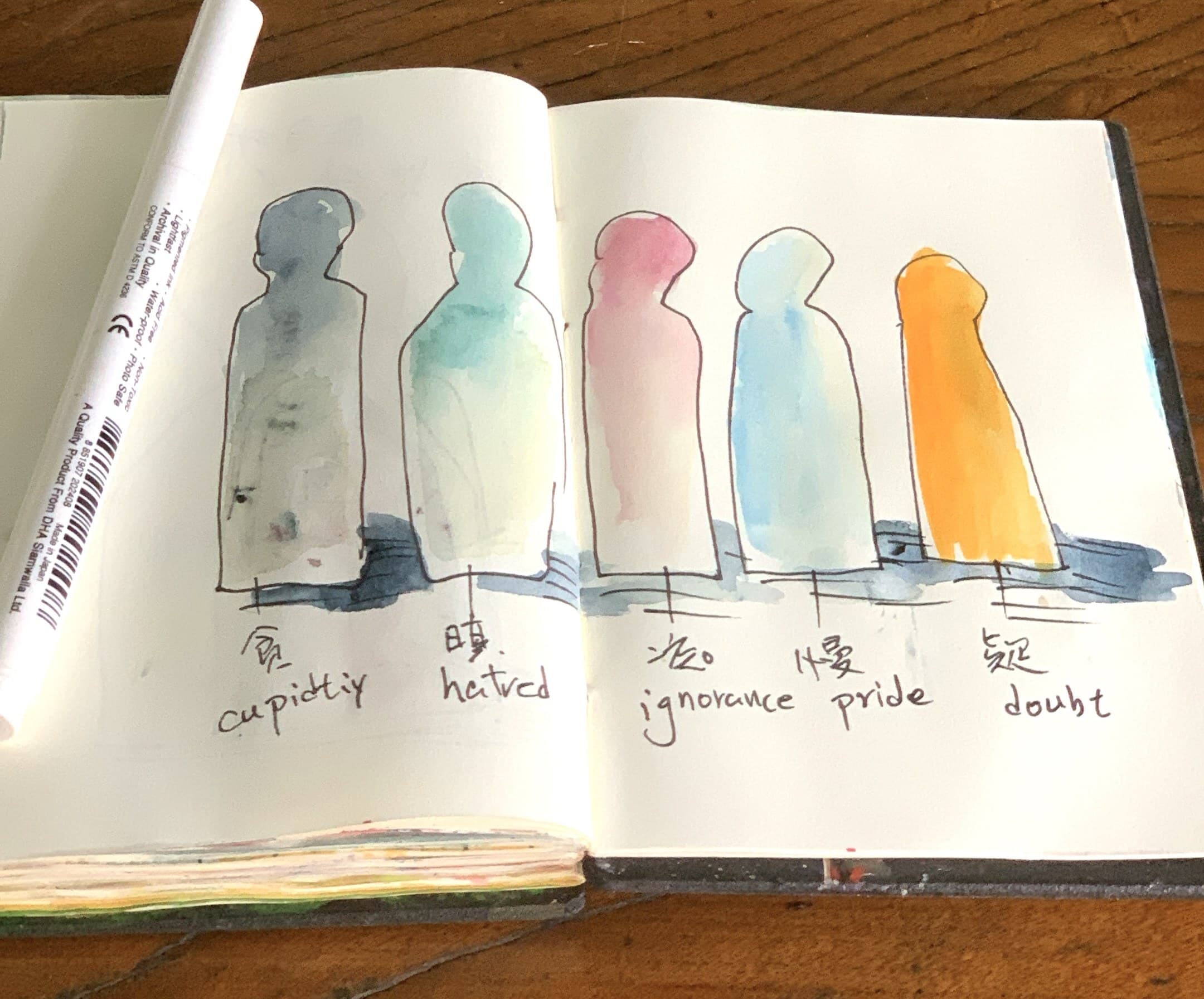
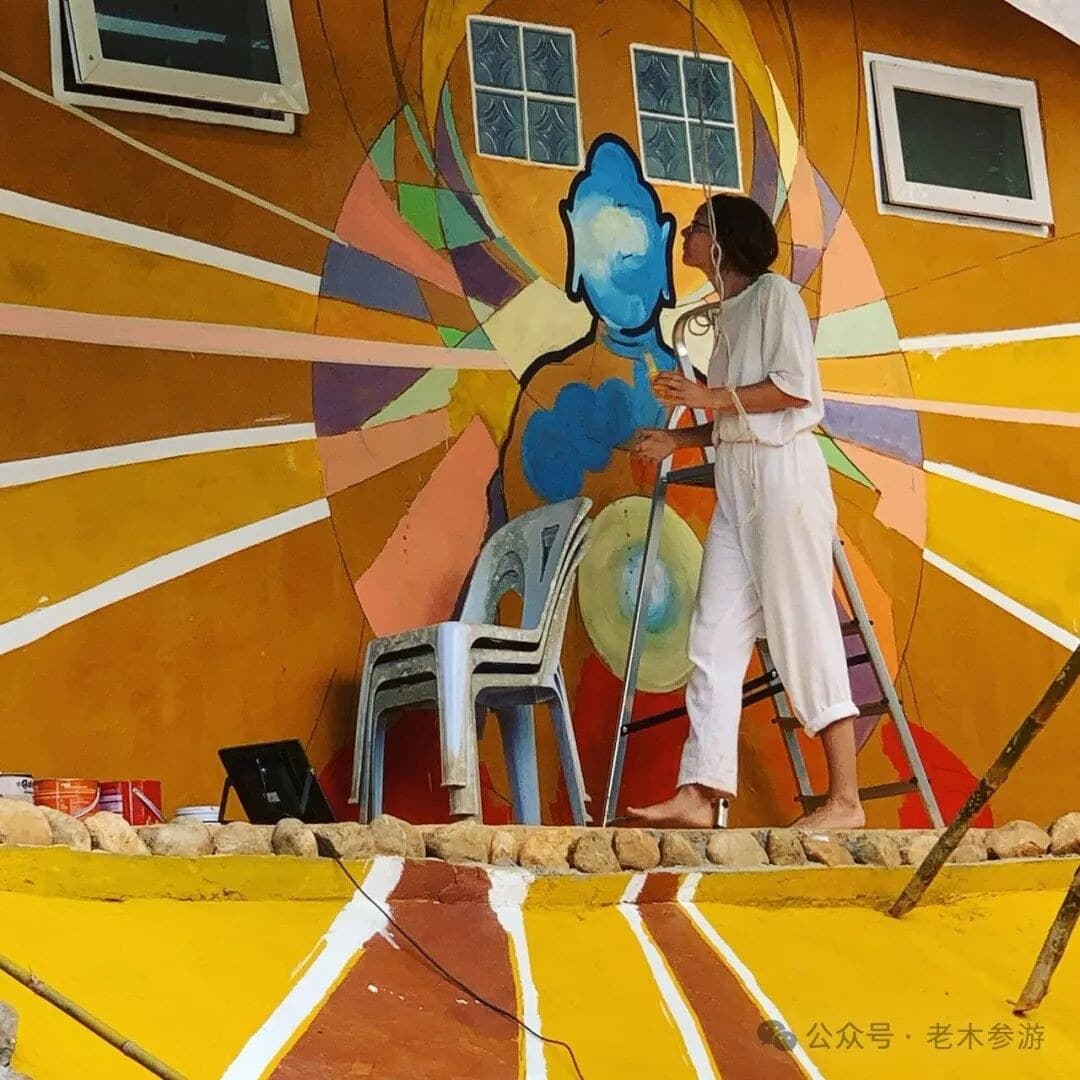
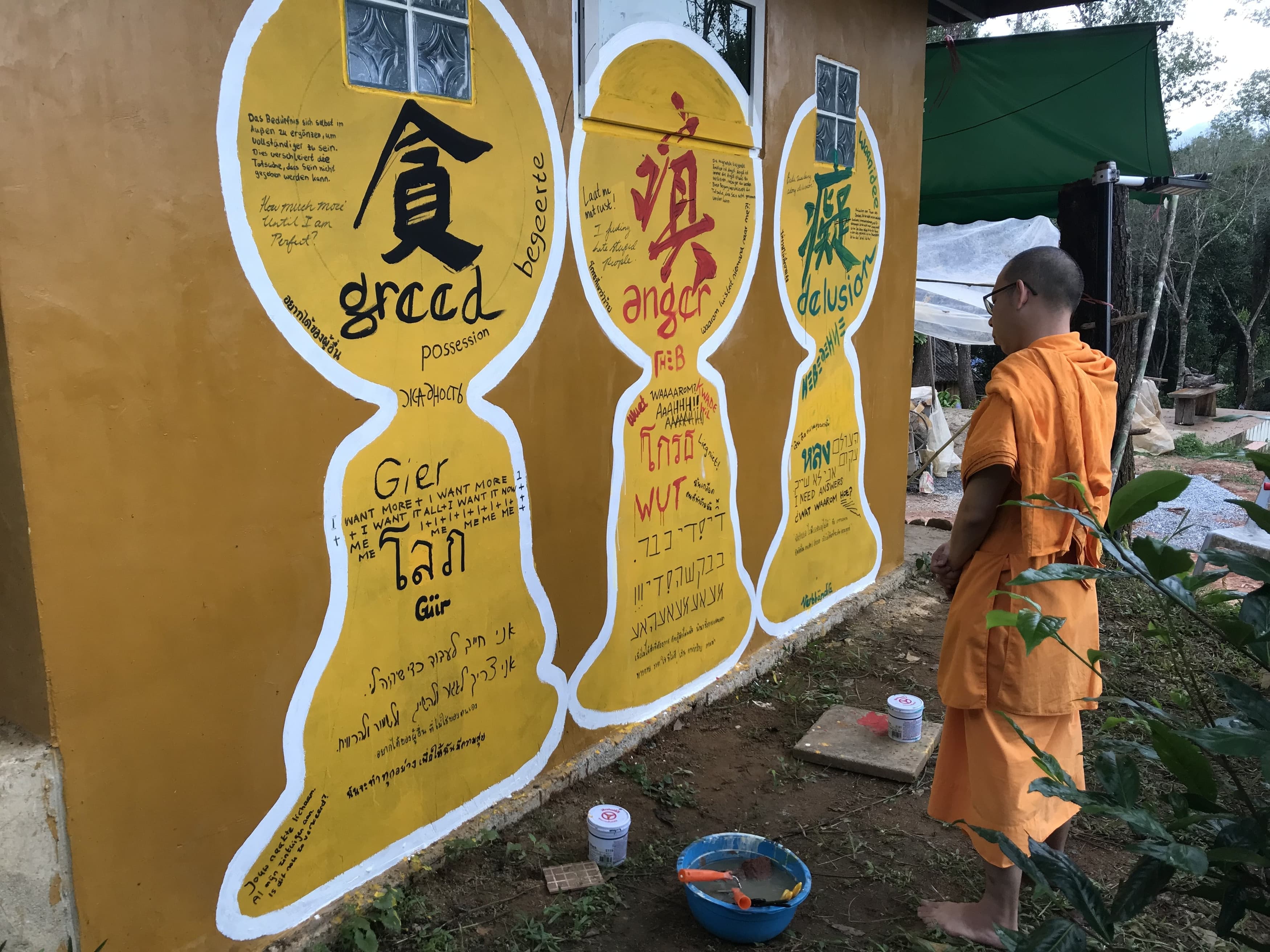
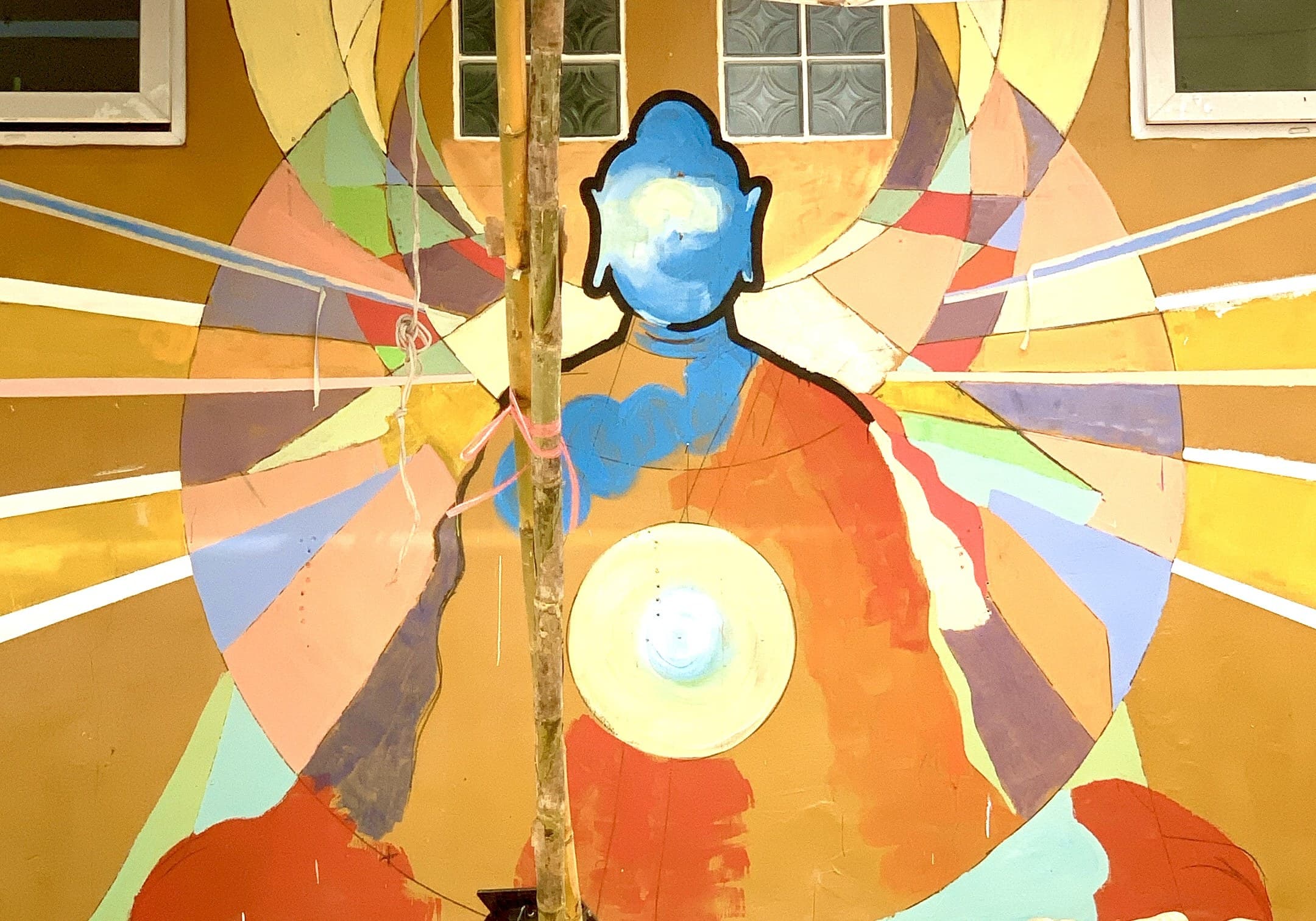
"Letting-Go Buddha" did not emerge from an ancient site, nor was it transmitted from any scripture. It is a conceptual Buddha created by the artist Lao Mu through long meditative contemplation, based on his deep observation of humanity's inner "Five Poisons" (greed, hatred, ignorance, pride, doubt).
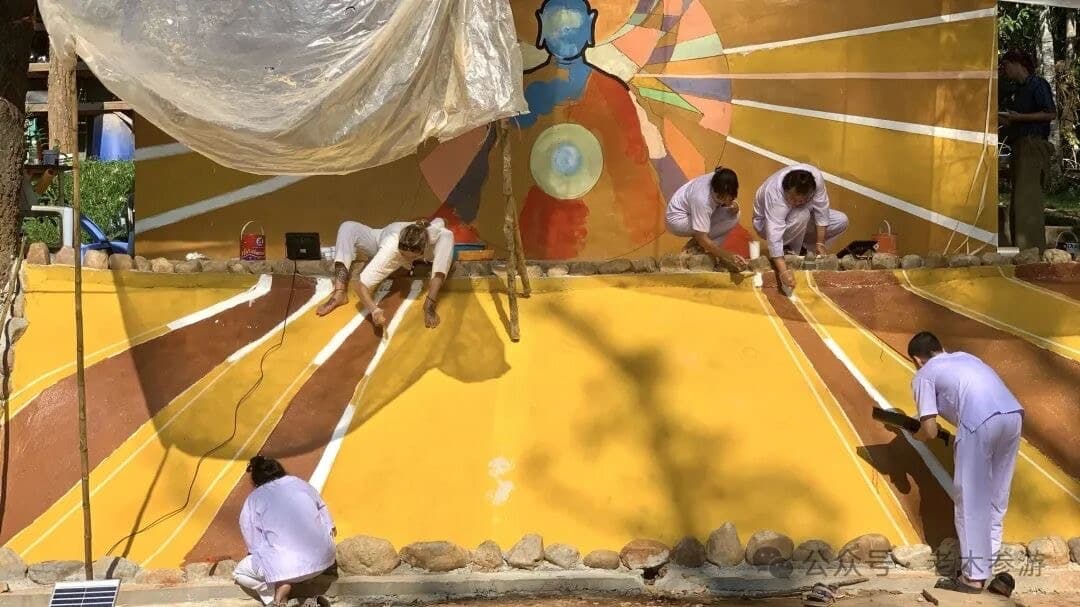
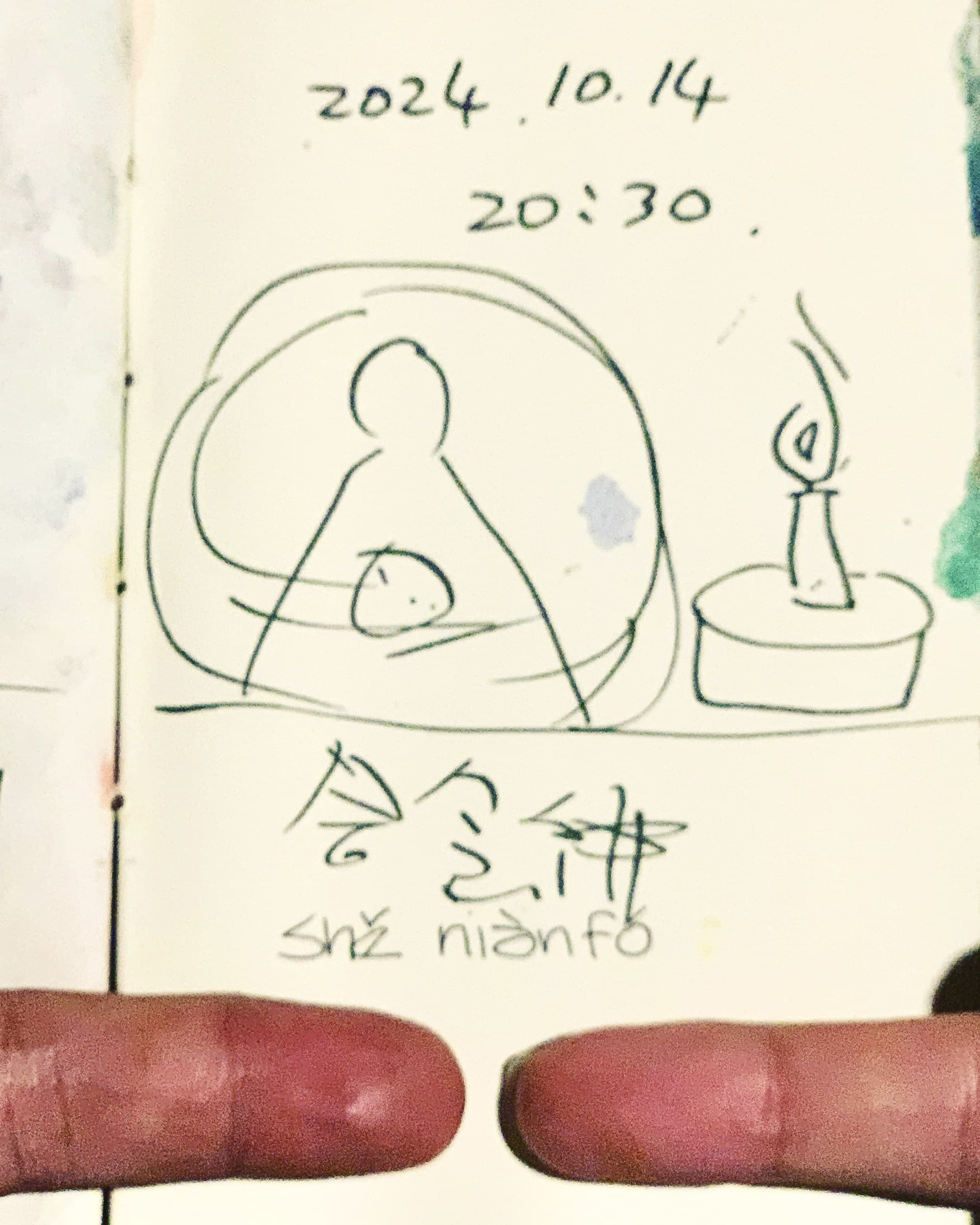
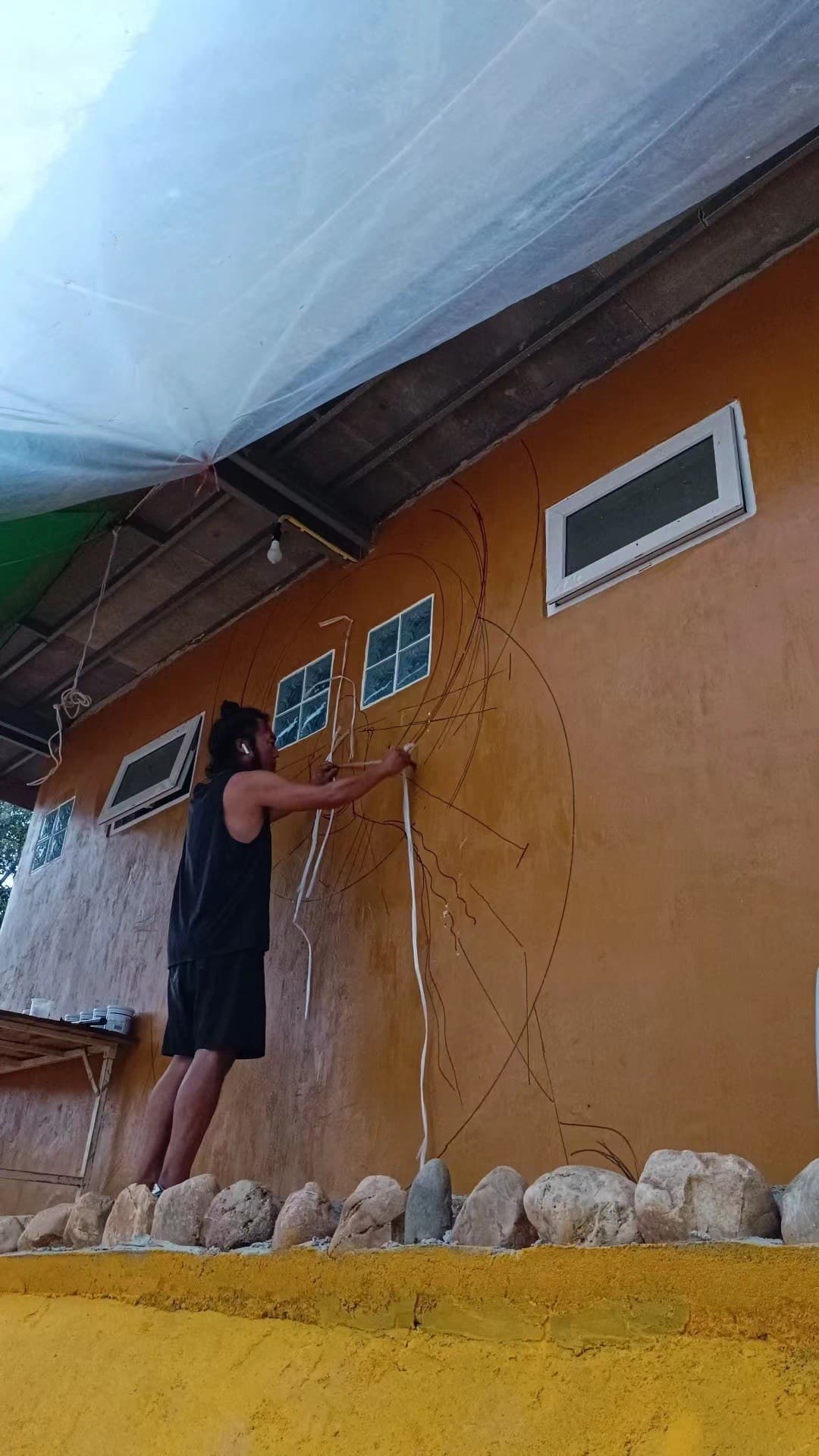
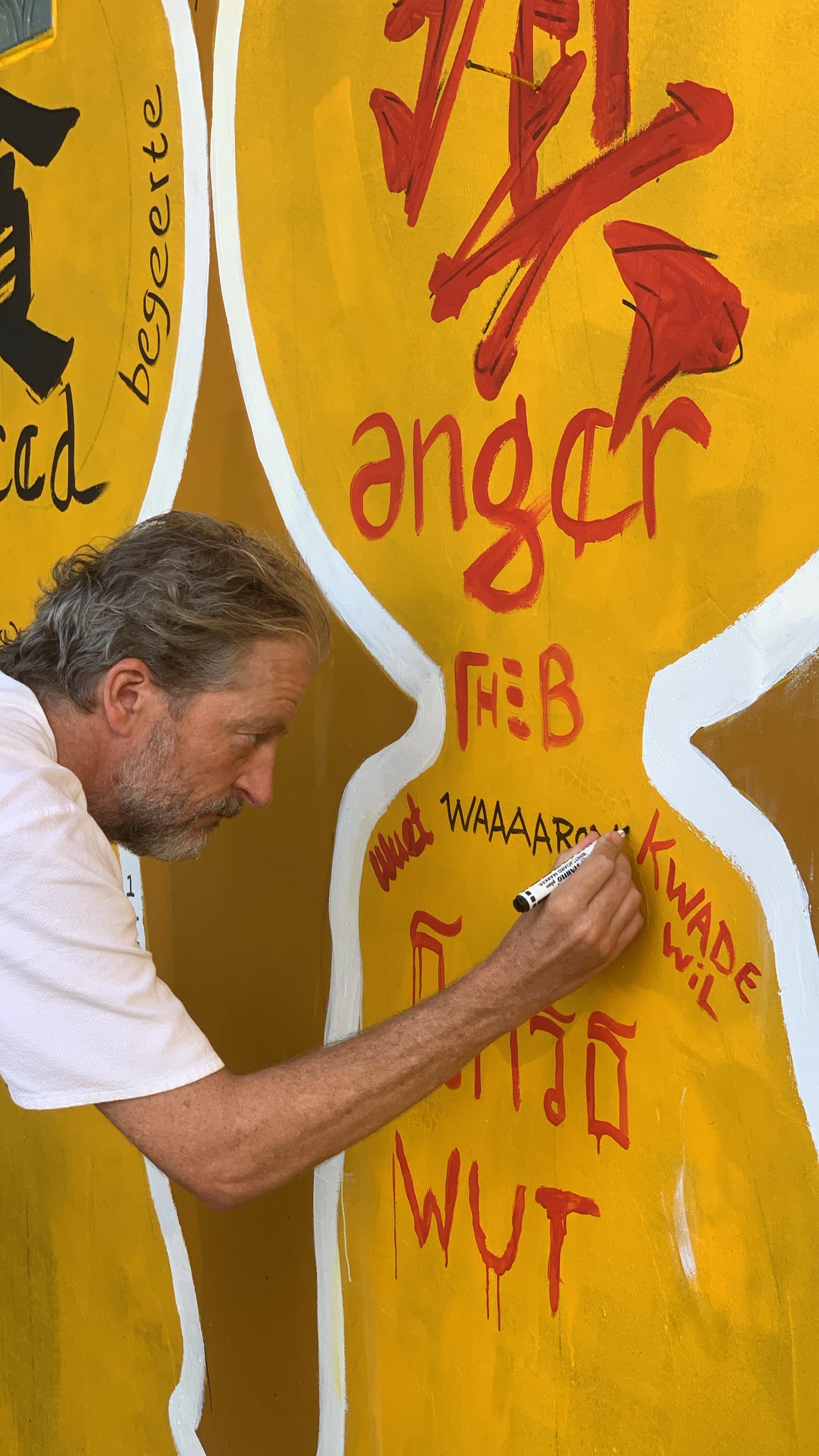
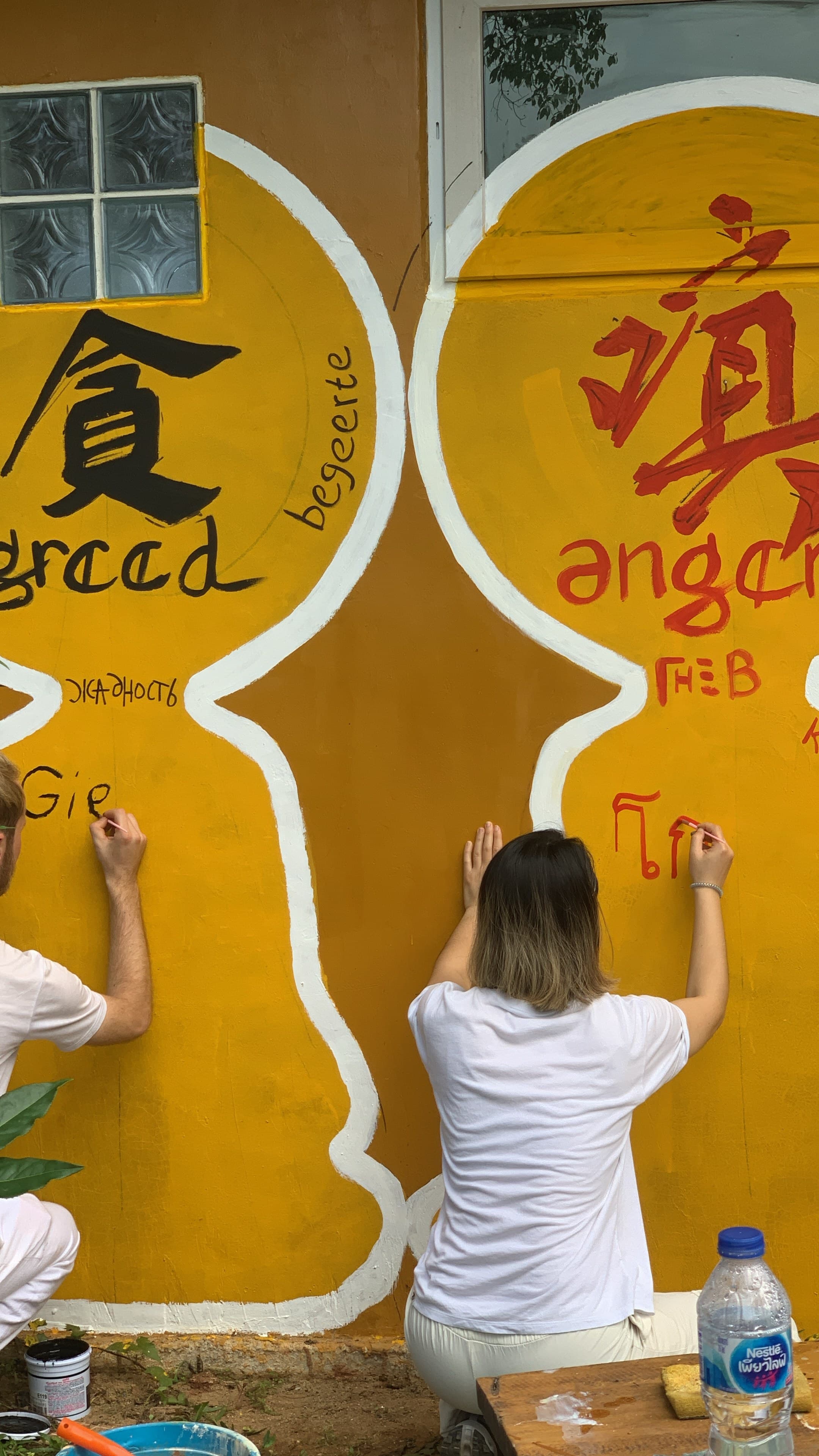
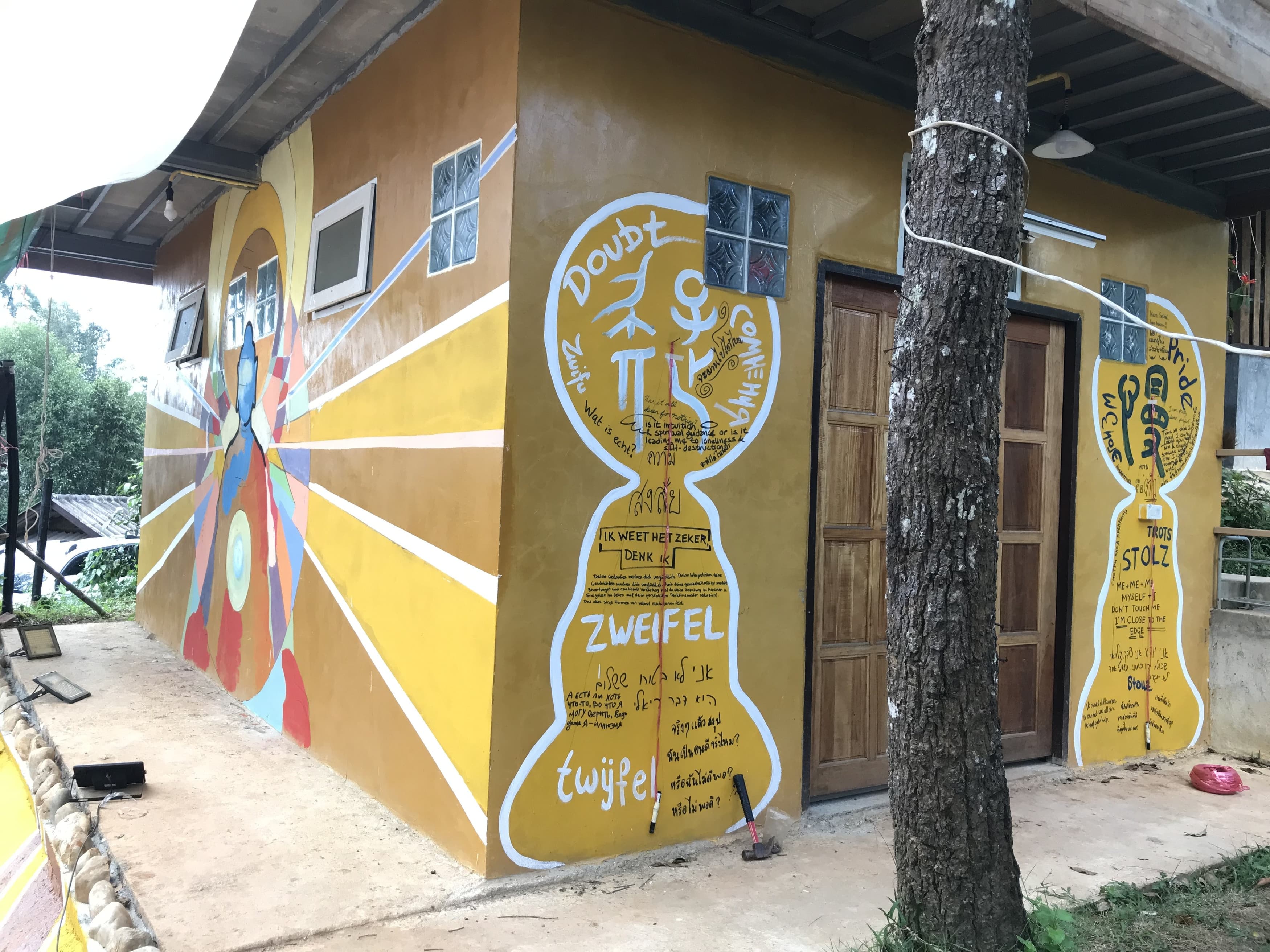
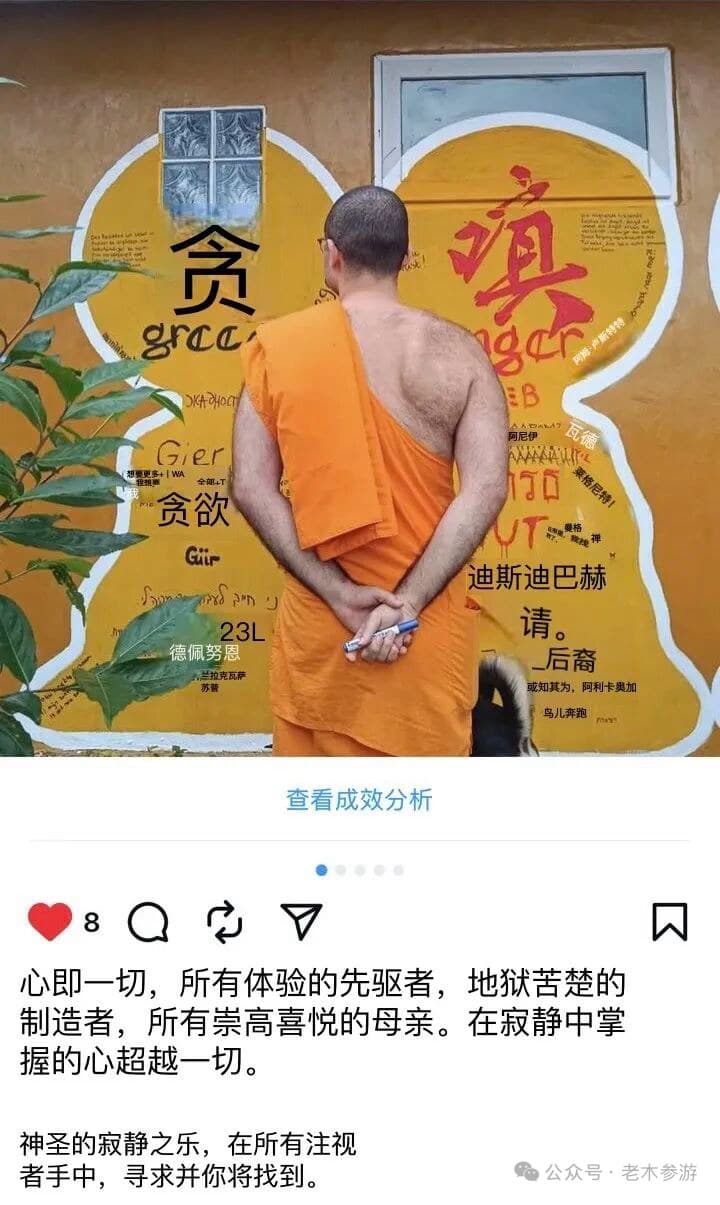
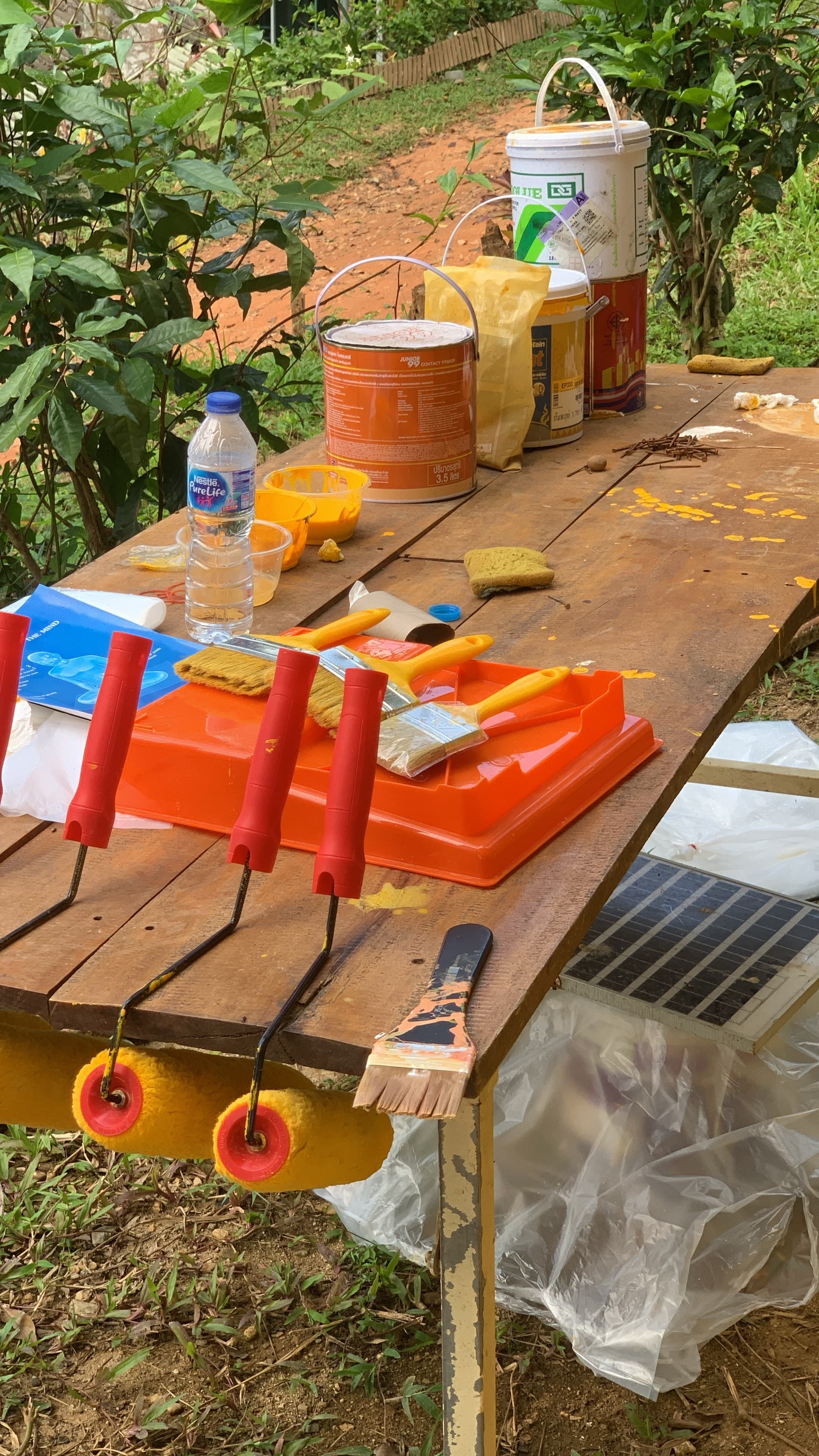
14 October 2024, a Chiang Mai morning. The artist Lao Mu's act far exceeds the creation of a visual Buddha image: it is the founding ceremony of a social sculpture. The material he used is not earth or stone-and-metal, but humanity's collective afflictions and the potential for awakening. The first foundational material of "Letting-Go Buddha" is thereby laid down.
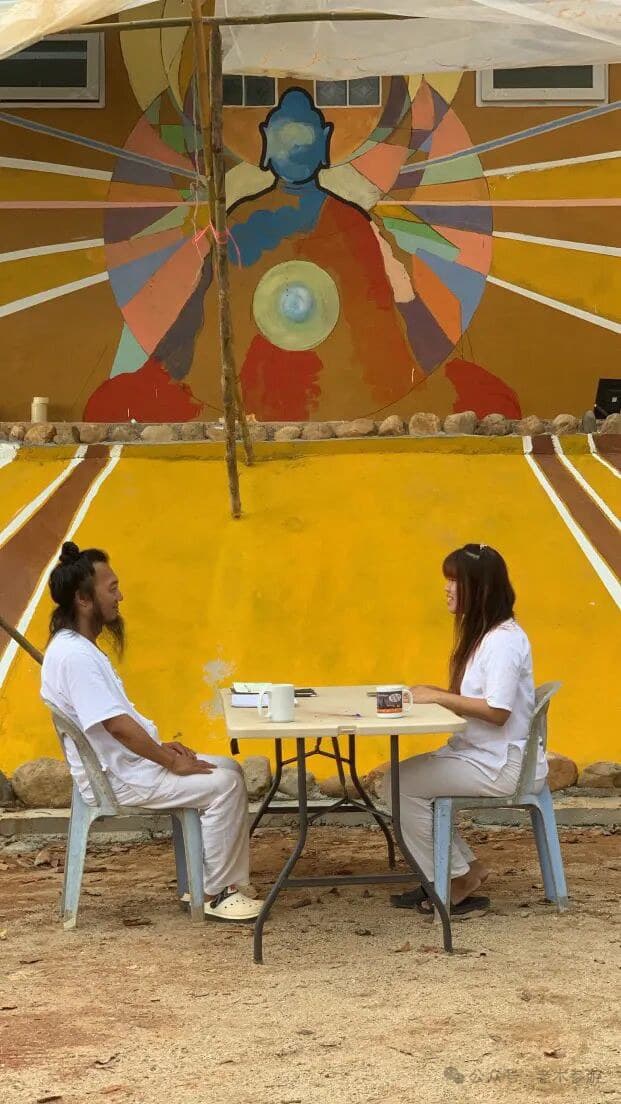
Key paradox: The Buddha image does not exist in any physical space. It exists only in the writing and gaze of participants.
Core Concept: Sculpting Society Begins with Sculpting the Mind
【The Theoretical Lineage of "Social Sculpture" (Social Plastik)】
The Sculptural System of "Letting-Go Buddha"
Sculpting material: each person's inner "Five Poisons", the basic particles that compose social contradiction and anxiety.
Sculpting goal: a more aware, more compassionate social-cultural mentality.
Sculpting tool: "letting go of thought", the practical method of recognising, facing and transforming affliction.
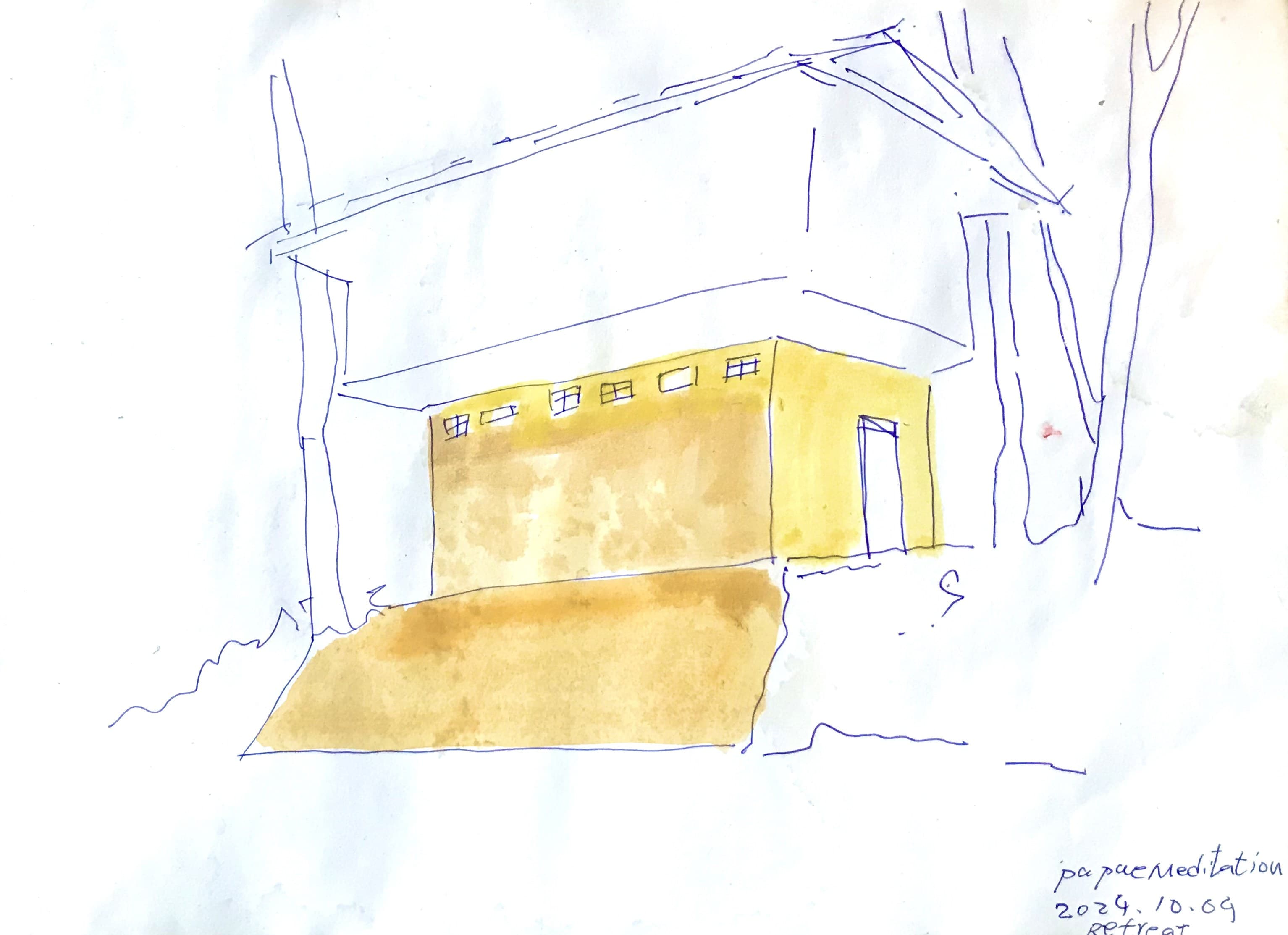
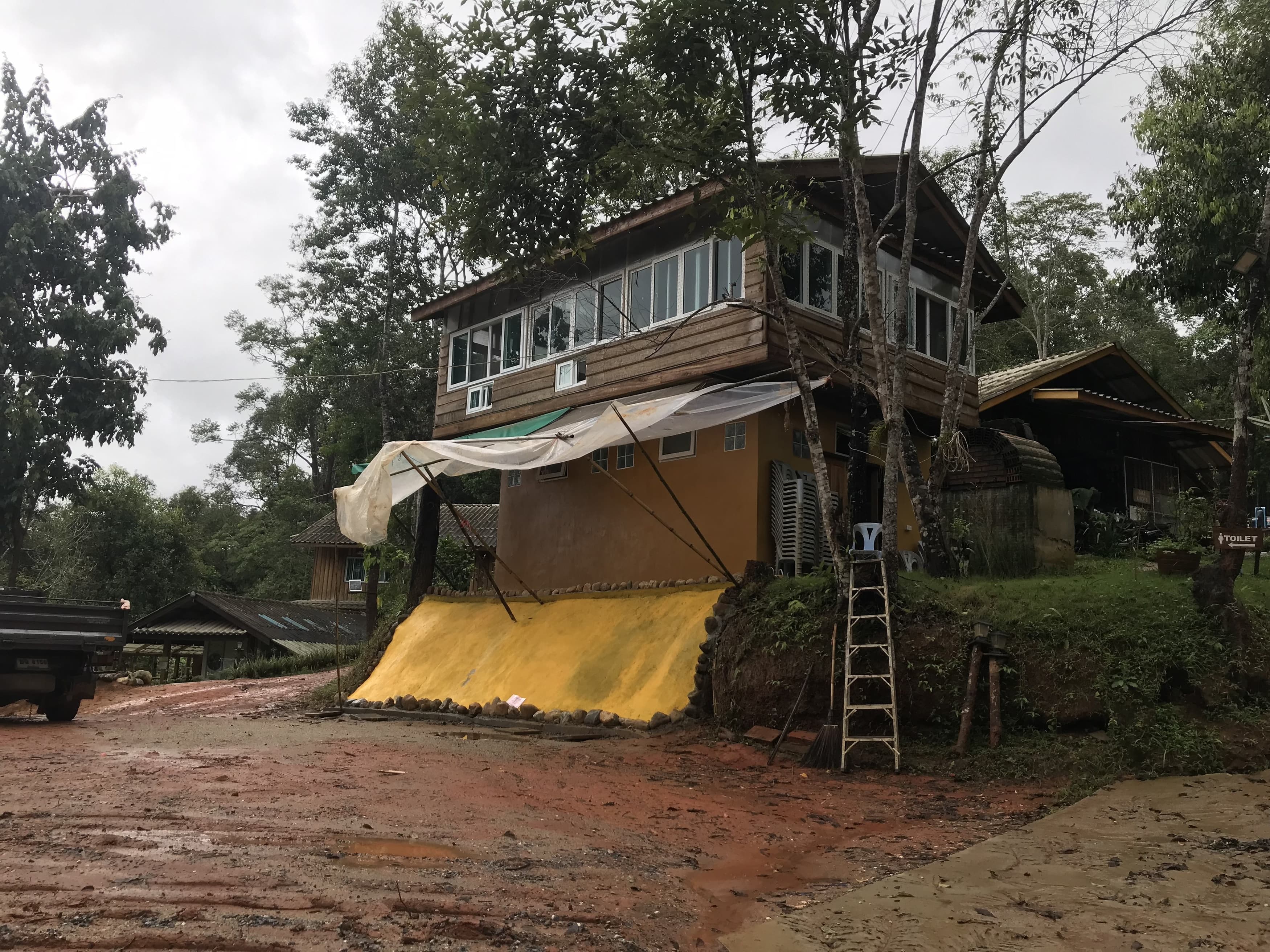
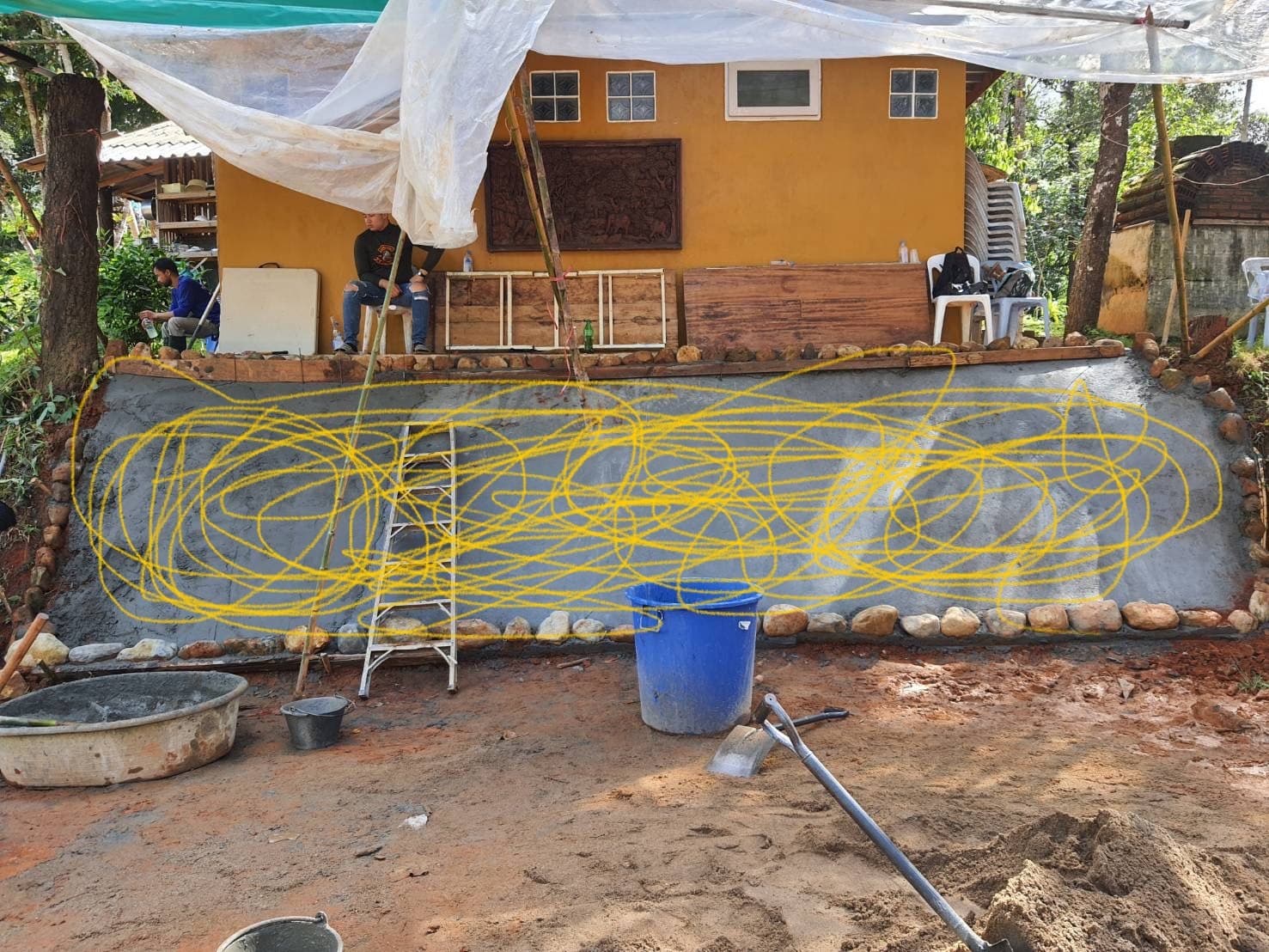
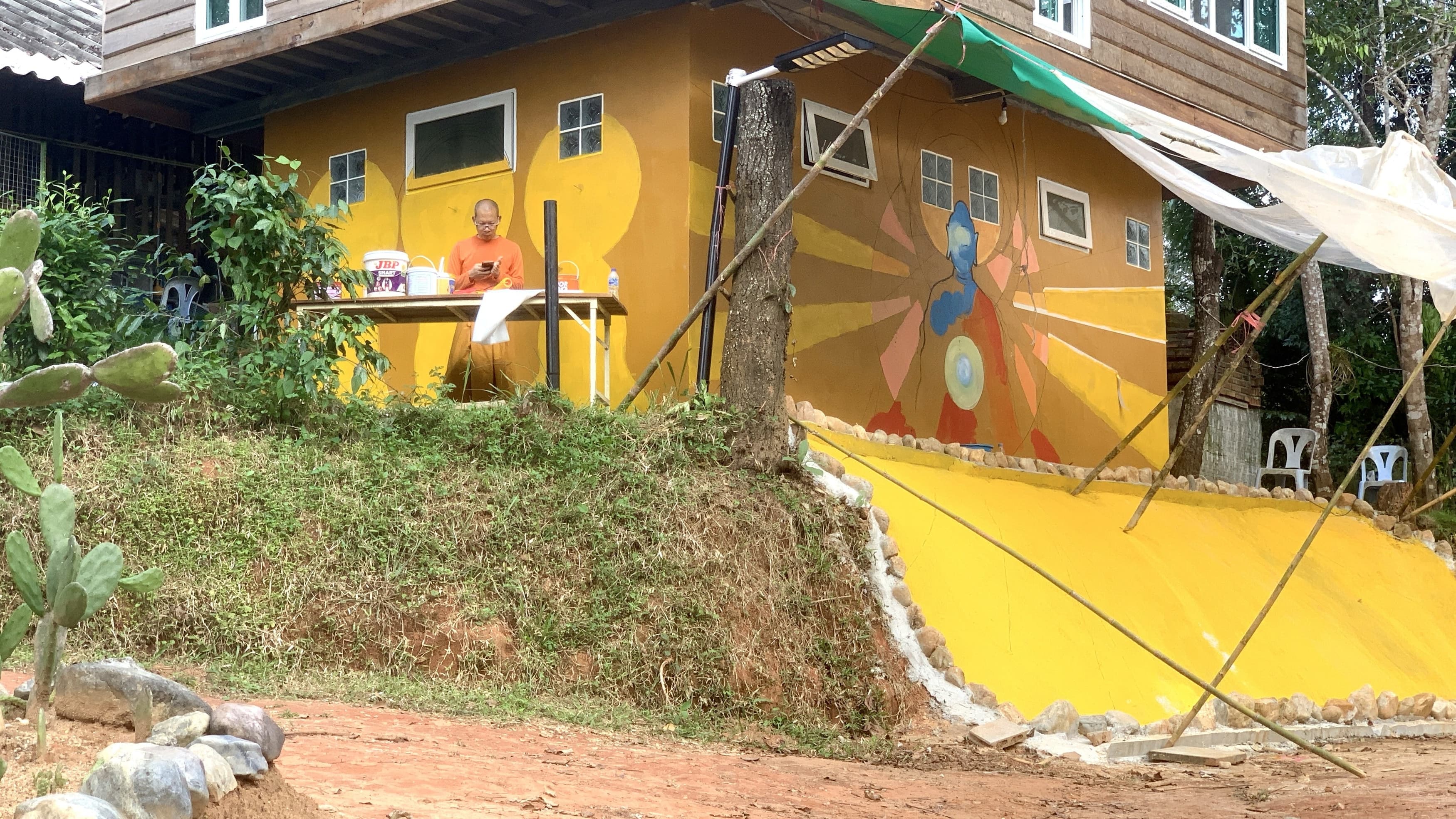
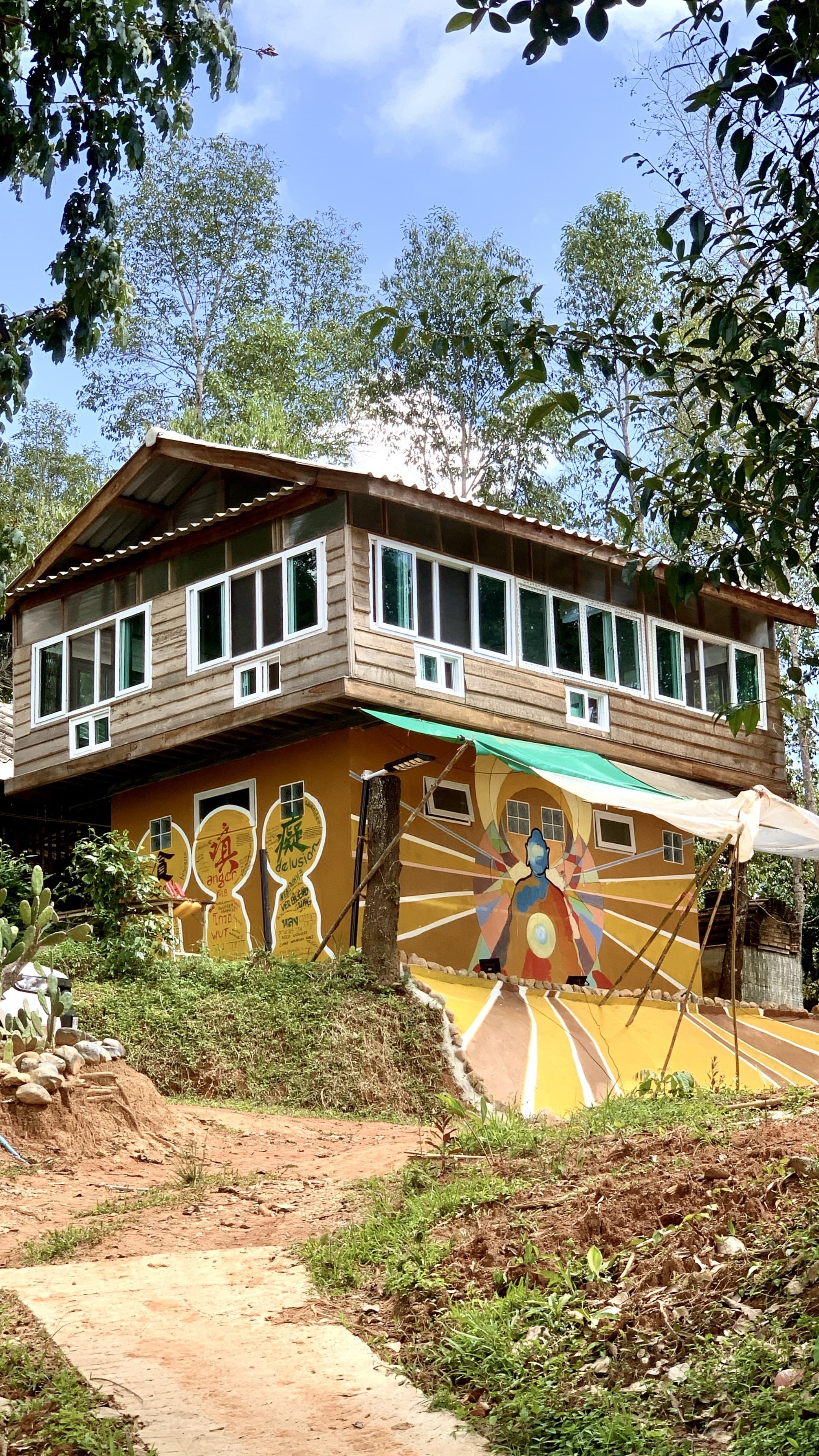
Sculpting field: the public spaces of Pa Pae Meditation Centre (refectory, meditation hall, corridor, wall surface).
Sculptors: all sentient beings (monks, volunteers, travellers, atheists, artists).
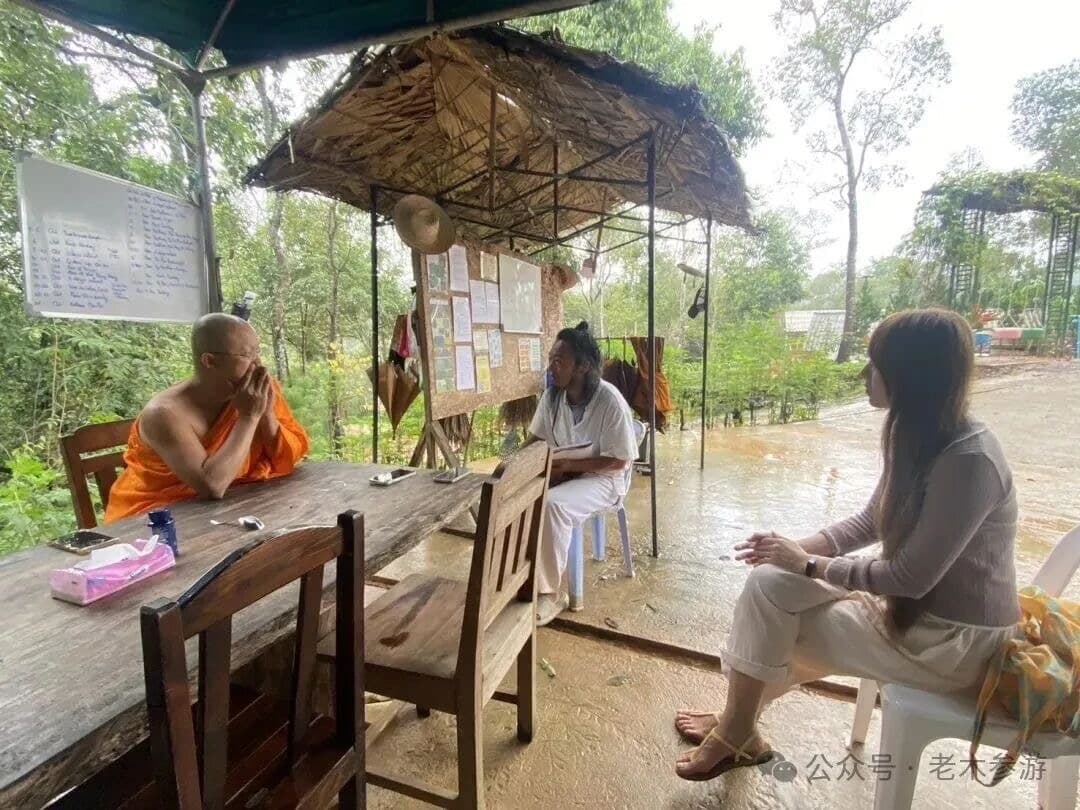
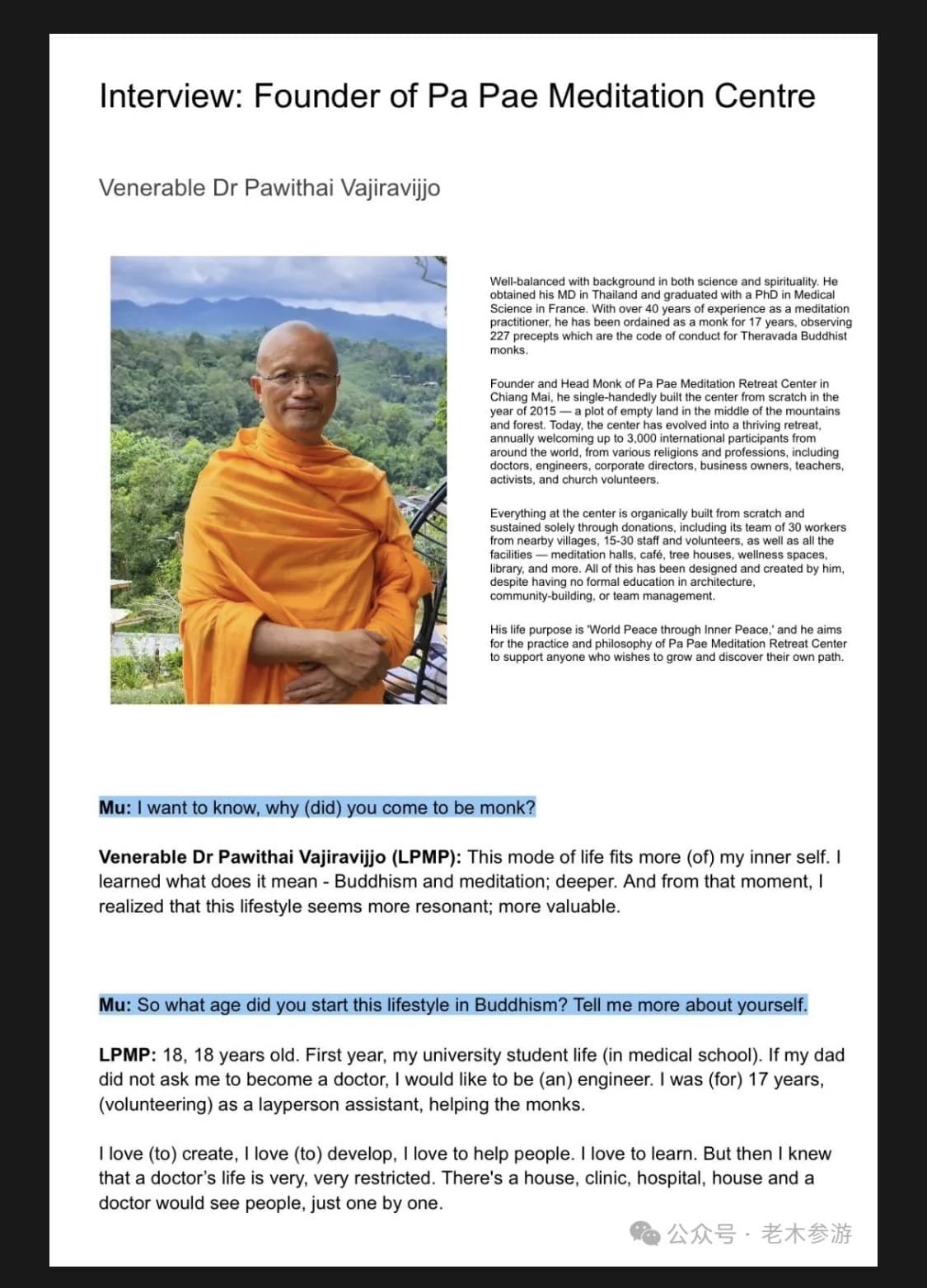
Founder Background: Dr. Pawithai Vajiravijjo (LPMP)
Dual identity: medical doctor + meditation master.
Education: Doctor of Medicine in Thailand; Doctor of Medicine in France.
Meditation experience: over 40 years; ordained for 17 years; observing 227 precepts.
Founding: in 2015, in a forest cradled by mountains, on an empty patch of ground, alone, he established the centre.
Development: each year welcomes 3,000 international participants from many religions and professions.
Operation: wholly sustained by donations; 30 workers; 15–30 staff and volunteers.
Facilities: meditation hall, café, tree houses, health space, library, all designed and built by him.
Life goal: "World peace through inner peace."
【Key Moments】
Age 18: first year of university (medical school), encountered Buddhism. "If my father had not made me become a doctor, I wanted to be an engineer. I did seventeen years of volunteer work, helping monks. I like to create, I like to develop, I like to help people."
Age 40: ordained. "I do not want to be a special person. I want to live simply. Every day, I can sleep peacefully. This is my life, having helped many people. I am happy doing things, not parading my importance."
【Core Philosophy】
"We live in a world where too many people are selfish. People only think of me, me, me. What about others? No, no, I do not care. First, know myself."
"Rather than trying to put others down to lift yourself up, see that every belief, every stage of life, has its bright side."
"In today's world of war, the problem is that we are stuck in zero-sum thinking. One side wins, the other side loses. But the Buddha tells us, no, that is not so. Everyone is a winner."
Architectural Philosophy: A "Labyrinth" That Learns From Nature
Dr. LPMP's design inspiration came from a reversal of the safari park:
"Animals locked in cages will die of sadness. So humans came up with another idea: put humans inside cages, and let the animals run free. Later they discovered that each animal will try to find its own corner, but will keep one main space for shared purpose."
【The Spatial Structure of Pa Pae】
Refectory: public area, shared gathering, society's "common stomach".
Different houses / tree houses: small personal corners, individual "shelters".
No straight-line design: nature has no straight lines, only the city does. Anti-modern, anti-efficiency.
Labyrinth feeling: once you stay, you remain here forever. Not imprisonment, but voluntary staying.
"People often get lost downtown. That is why we arrange orientation tours. When you come here, once you stay, the place is a labyrinth. You will remain here forever."
Three Voices: Participant Interviews
【Monk LP Anon (Thailand)】
Background: sixteen years ordained; certified in Pali; came to Pa Pae after seeing himself "in a forest" during meditation.
On meditation: "Meditation has helped me many times. It reminds me to keep the mind in its normal state. When I feel I am not in a normal state, I quickly notice it. It is like an alarm, returning my mind to its normal state."
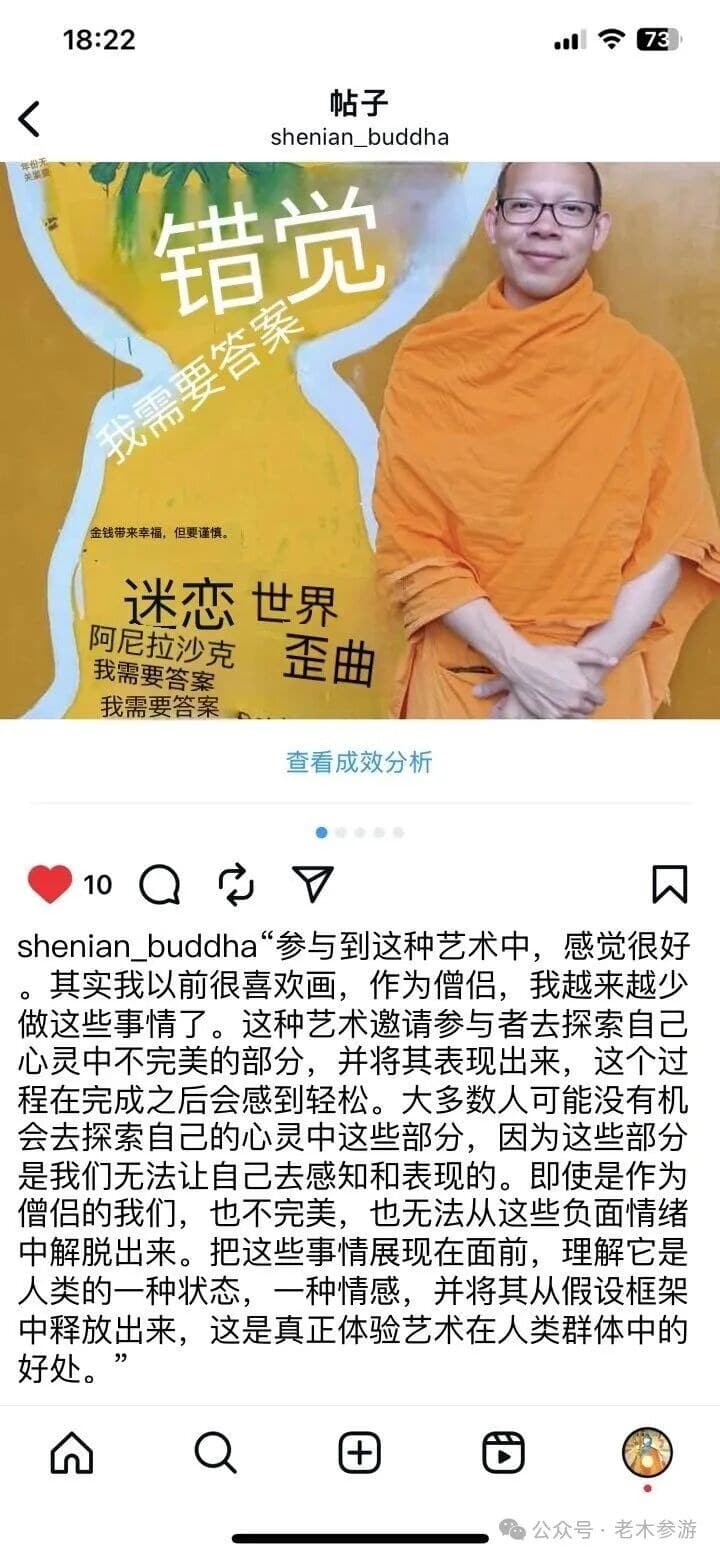
On the art participation: "I used to love art. After ordaining, I stopped painting. Touching this kind of art, I feel more relaxed and feel more release. When I stand in front of the different Buddhas signing my name, those negative thoughts become a challenge that lets me discover the emotion within. When people do not allow themselves to investigate negative emotions, this art gives them a chance to discover it and understand it."
Key insight: art as a developer of emotion, letting unconscious content enter the layer of consciousness.
【Monk LP Brandon (Philippines / USA)】
Background: lived half his life in the United States; holds that "the most meaningful thing is to minimise the suffering inside oneself, and help others do the same".
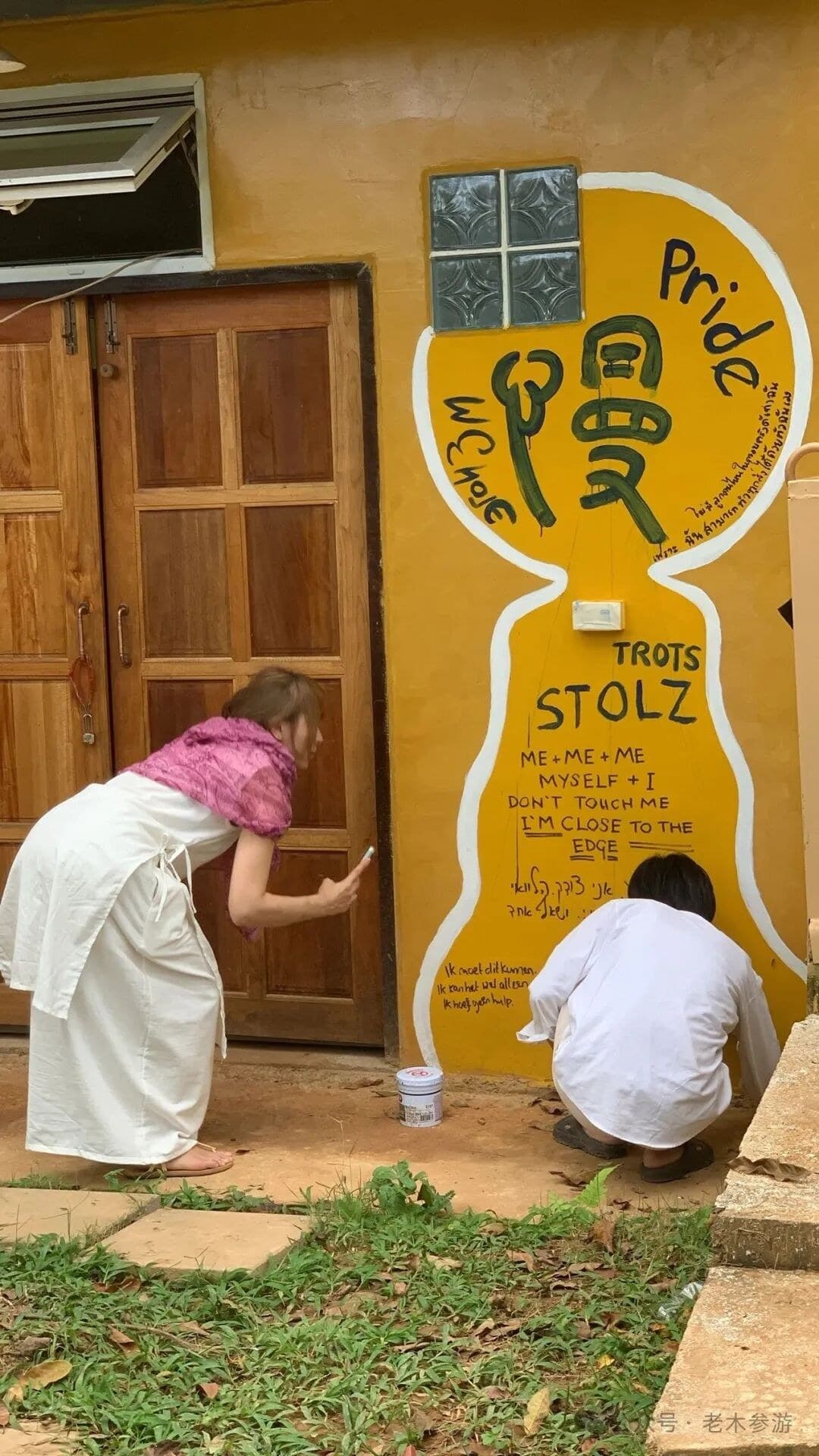
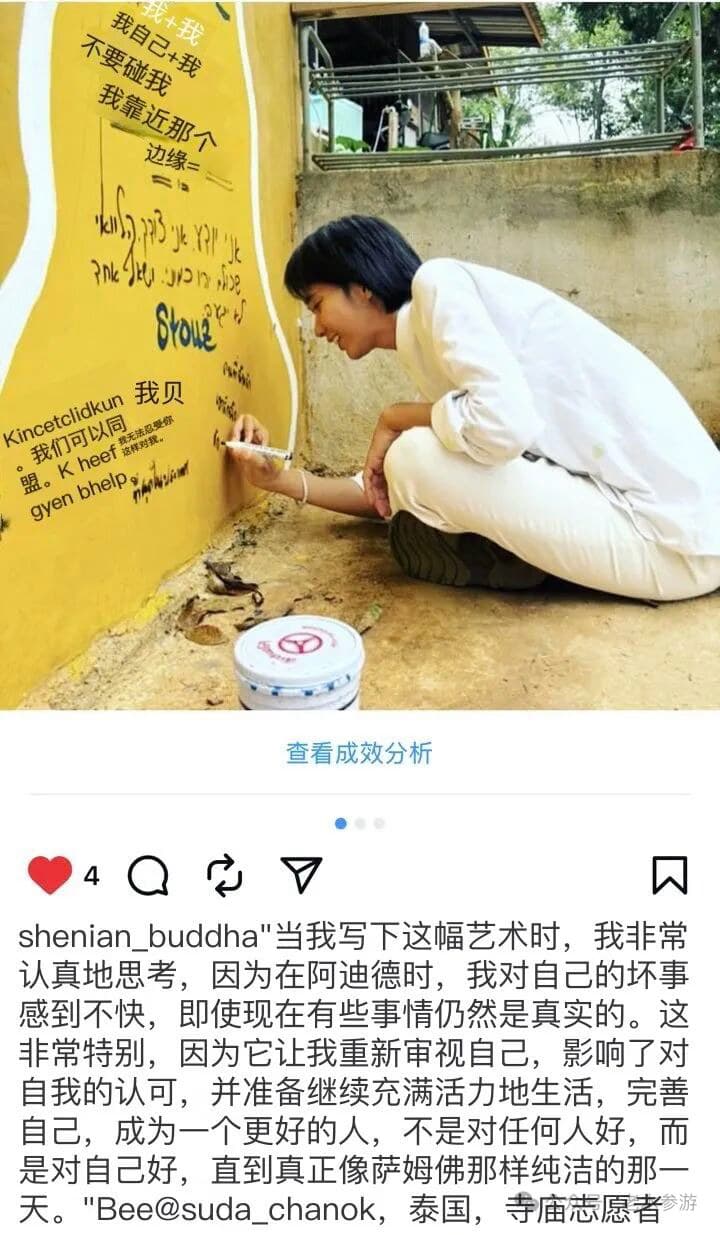
On the experience of writing the "Five Poisons": "Writing greed, hatred, ignorance was really hard. Writing pride was very easy. That is a good indicator of where you need to do your work. I have done a lot of work on greed, hatred, ignorance, and doubt, but pride was easy to write."
On religion and art: "Humans are too clever to be conquered or controlled by religion. We must interact with religion: use religion as a tool, not as a master. You come in, you do things; you do not just believe and follow. This is a fundamental idea of Buddhism."
On the name "Letting-Go Buddha": "I like the concept of 'letting go of thought'. It reminds me of the line in the Bible: 'Cast all your cares upon the Christ within'. You hand your afflictions over to the Buddha. On the surface this sounds irresponsible, but when you go deep inside to find it and bring it to the conscious level, it becomes easier to handle than when it stays hidden in the unconscious."
Key insight: "letting go of thought" is the cross-religious resonance. The Buddhist 舍 (relinquishing) and the Christian "casting upon" meet here.
【Volunteer Minha (Thailand)】
Background: first came to Pa Pae four years ago; visits twice a year; quit her job after paying off her student loan to volunteer here.
"I meditate every day, because I love meditation. After taking part in this artwork, I think it has to do with the feelings one should avoid. During the daytime I do not have many such feelings, perhaps a little more anger, because of busy work I sometimes lose myself and become easily angry."
Key insight: art as a daily detector of emotion, making the "should-be-avoided" visible.
Three Levels: From "Inner Revolution" to "Social Sculpture"
【Micro: sculpture at the individual level】
Leads each person to see the "Five Poisons" as material that can be examined and shaped, through "letting go of thought", carrying out an inner "artistic creation", completing self-reshaping and awakening. (Corresponds to Beuys: "Everyone is an artist.")
【Meso: connection in the public sphere】
Through public installations, workshops, and the online archive, links and displays in dialogue the inner sculptural processes of countless individuals, forming a new community of social emotion. (Corresponds to Beuys: "the expanded concept of art".)
【Macro: continuous social action】
Extends into concrete social action such as children's projects: teaching art to children, empowering them, sculpting through action a fairer, more hopeful future social structure. (Corresponds to Beuys: "social sculpture as total art".)
Lao Mu's Methodology of "Social Sculpture"
【Distinction from Traditional Public Art】
Traditional public art: artist creates, public watches. / “Letting-Go Buddha”: artist creates the frame; public become the creators.
Traditional public art: permanent materials (bronze, stone). / “Letting-Go Buddha”: temporary materials (paper, wall, words).
Traditional public art: aesthetics first. / “Letting-Go Buddha”: process first; aesthetics is a by-product.
Traditional public art: spatial decoration. / “Letting-Go Buddha”: spatial transformation, from meditation centre to "social sculpture workshop".
Traditional public art: individual signature. / “Letting-Go Buddha”: collective anonymity, or collective signature.
【"Letting Go of Thought" as a Tool】
"Letting go of thought" is not forgetting, not suppression. It is conscious facing and release.
Operational steps:
1. Recognise: stand before the Buddha image; recognise your present "Five Poisons".
2. Write: put what you recognise on paper, attach it around the Buddha image.
3. Gaze: look at your own writing; look at the writing of others.
4. Release: do not judge, do not analyse; let the writing remain in the space.
5. Leave: take it with you or leave it behind; the participant decides.
Project Positioning: A Conscious Social-Sculpting Movement
【Redefinitions】
Art: no longer an object only to be viewed, but a creative labour, accessible to every person, that shapes the "soul" of society.
Buddha image: no longer an object of worship, but a mirror, a container, a catalyst.
Becoming Buddha: "to become Buddha on the spot" is to become a self-aware, capable "social sculptor", actively engaged in building a more awakened world.
Temple: no longer an enclosed religious space, but an open public sphere — the site where "social sculpture" takes place.
Core Declaration
"What we sculpt is not only our own minds, but the soul of an entire era."
"You are not merely a viewer — you are a sculptor. Every act of self-examination, every attempt to release attachment, carves a decisive cut into a more beautiful society."
"Letting-Go Buddha did not exist before. It exists in this moment, in your writing, in the instant your hand sets the pen down."
Chiang Mai Meditation Context
Chiang Mai is one of Thailand's — and the world's — most important centres for vipassanā meditation. The province holds roughly 1,400 to 1,500 Buddhist temples, with dozens of temples or centres offering systematic meditation instruction.
【The distinctiveness of Pa Pae】
Neither over-austere nor pleasure-seeking — distinct from extreme-ascetic traditional temples.
No forced uniformity — distinct from large standardised meditation centres.
Natural labyrinth — distinct from city spaces of straight lines, efficiency, and modernity.
Artistic intervention — distinct from conservative religious places that exclude art.